Best Colors and Textures for Your Living Room Interior
 Sasintharan
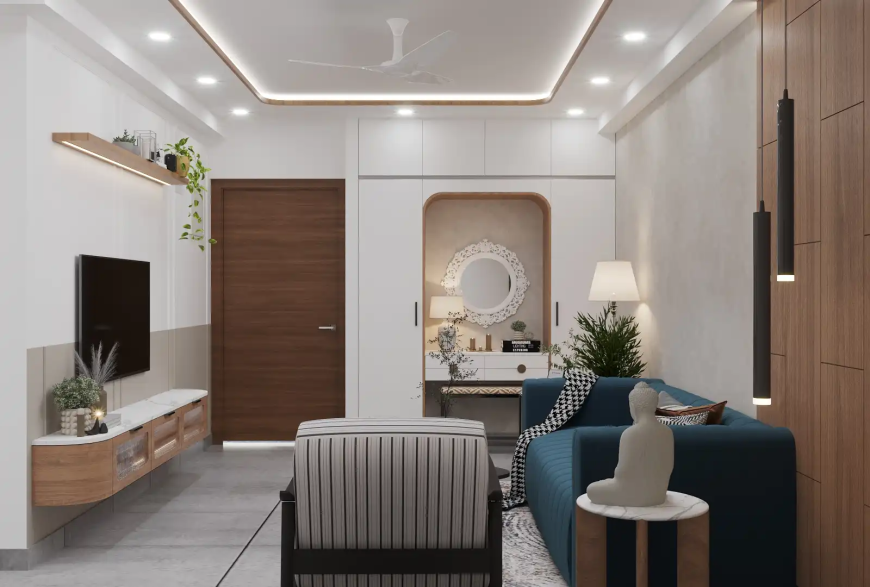
Introduction: The Role of Colors and Textures in Living Room Design
In the heart of every home, the living room stands out as the space that reflects personal style welcomes guests, and offers comfort after a long day. Designing a living room that exudes warmth, elegance, and personality requires more than furniture and décor—it calls for thoughtful use of colors and textures. When skillfully chosen, they can completely transform the look and feel of the space, creating visual interest and emotional comfort.
According to expert Bangalore interior designers, selecting the right color palette and textures can make your space look brighter, bigger, more luxurious, or cozier—depending on your goals. In a culturally rich and design-savvy city like Bangalore, the blend of contemporary aesthetics and traditional elements creates unique opportunities to play with textures, tones, and finishes.
This article explores the best color combinations and textures for your living room, offering insights from professional interior decorators in Bangalore to help you make the right choices.
Why Colors and Textures Matter in Living Room Design
- Creates Mood and Atmosphere: Soft pastels create a calming vibe, while bold colors energize the space.
- Adds Depth and Dimension: Textures like wood, velvet, or brick create layers and visual richness.
- Defines the Space: In open-plan homes, contrasting textures and colors help distinguish the living area.
- Enhances Light: Lighter colors reflect light and make rooms feel bigger, while dark hues offer a cozy feel.
- Builds Personality: A mix of materials like jute, leather, or linen adds character and individuality.
Top Living Room Color Palettes Recommended by Bangalore Interior Designers
1. Earthy Neutrals for a Timeless Appeal
- Beige, taupe, cream, and soft browns remain popular in Bangalore homes.
- These hues offer a neutral backdrop for colorful cushions, art, and décor.
- Perfect for minimalists who love a calm, grounded space.
Tip: Pair with wooden textures or rattan accessories for a cozy, rustic feel.
2. Greys and Charcoals for Modern Sophistication
- Shades of grey are ideal for urban apartments and contemporary homes.
- Greys blend seamlessly with metallic accents like gold or copper.
- Great for those who want understated elegance with a modern twist.
Tip: Add a pop of color through mustard, teal, or burgundy cushions.
3. Jewel Tones for a Luxurious Look
- Emerald green, sapphire blue, and deep ruby red add richness.
- Jewel tones make a statement when used on feature walls or upholstery.
- Well-suited for homes with high ceilings and ample natural light.
Tip: Use velvet, silk, or leather textures to enhance the regal effect.
4. Soft Pastels for a Relaxed Vibe
- Baby blue, blush pink, mint green, and lavender are trending among young families.
- Pastels soften the space, making it inviting and soothing.
- Ideal for compact homes where light and openness are essential.
Tip: Mix with cotton fabrics, floral prints, and white furniture for a charming aesthetic.
5. Monochrome Black & White for Chic Drama
- A classic combo that never goes out of style.
- Creates contrast and visual interest even in small spaces.
- Great canvas for colorful artwork and indoor plants.
Tip: Layer with high-gloss finishes, matte paints, or textured rugs for depth.
6. Warm Tones: Terracotta, Ochre, and Rust
- Inspired by Indian and Mediterranean aesthetics.
- Works beautifully with wood, brass, and handloom textiles.
- Adds a grounded, earthy richness to the living space.
Tip: Combine with brick-textured walls or clay artifacts for a cohesive look.
Textures That Elevate Your Living Room Interior
Choosing the right textures is equally important as colors. Texture refers to the tactile feel of surfaces, whether visual or actual. Leading interior decorators in Bangalore use a mix of materials and finishes to create spaces that feel layered and luxurious.
1. Fabric Textures: Velvet, Linen, Cotton
- Velvet: Adds a luxe, formal touch—ideal for cushions, sofas, and drapes.
- Linen: Breathable and earthy—great for Bangalore's weather.
- Cotton: Versatile and budget-friendly—perfect for everyday living.
Mix Tip: Combine soft velvet cushions with a linen-upholstered sofa for balance.
2. Natural Textures: Wood, Cane, and Jute
- Wood adds warmth and timeless appeal—ideal for floors and furniture.
- Cane and wicker bring breezy, eco-friendly charm to the room.
- Jute rugs add rustic texture and are perfect for Indian climates.
Design Tip: Use jute rugs with wooden coffee tables and cane chairs for a tropical-modern blend.
3. Metallics: Gold, Brass, and Chrome
- Gold/brass lighting fixtures, mirror frames, and accents enhance elegance.
- Chrome and steel work well in industrial or modern interiors.
- Reflective finishes elevate the luxury quotient.
Caution: Use sparingly to avoid overwhelming the room.
4. Stone and Brick Finishes
- Exposed brick or stone cladding walls add raw character and depth.
- Suitable for feature walls or fireplace backgrounds.
- Great for adding texture without changing furniture.
Pro Tip: Bangalore homes with contemporary designs often feature one exposed brick wall to contrast with sleek modern furniture.
5. Glass and Mirror Elements
- Reflect light and make small spaces appear larger.
- Best used in coffee tables, TV units, or partition designs.
- Adds a sleek, modern vibe.
Use Carefully: Too much glass can make the room feel cold; balance with fabrics or warm colors.
How to Combine Colors and Textures Effectively
Combining colors and textures can be tricky, but Bangalore interior designers follow some golden rules:
- Follow the 60-30-10 Rule:
- 60% Dominant color (walls or sofa)
- 30% Secondary color (curtains, rugs)
- 10% Accent color (art, accessories)
- Mix Three Textures Per Room:
- One hard (wood or metal)
- One soft (fabric or rug)
- One reflective (glass or mirror)
- Balance Warm and Cool Tones:
- If using grey walls (cool), add warm wooden textures.
- If using warm tones, include cooler materials like metal or marble.
- Use Nature for Inspiration:
- Think about how natural settings combine green (plants), brown (earth), blue (sky), and textures like bark and water.
Tips from Top Interior Decorators in Bangalore
- Use Local Materials: Bangalore homes benefit from using regional materials like Mysore teak, local jute, and khadi-based textiles.
- Consider Climate: Breathable fabrics and cooling colors work well in Bangalore’s moderate to warm weather.
- Plan for Lighting: Natural and artificial lighting can drastically affect how a color or texture appears.
- Hire Professionals: Skilled interior decorators in Bangalore can visualize the palette and materials suited specifically to your layout, light conditions, and family lifestyle.
Conclusion: Design Your Living Room with Personality and Precision
Colors and textures are the soul of interior design, especially in the living room, where we relax, entertain, and connect. From warm terracotta hues to plush velvets, from rustic jute to sleek marble—there’s a wide palette of choices to infuse your home with beauty and function.
Whether you prefer a minimalist style or a luxurious ambiance, the secret lies in balancing color harmony and textural contrast. Consulting expert interior designers in Bangalore ensures that your living room doesn’t just look beautiful—but also feels like home.
FAQs
Q1: What are the trending living room colors in Bangalore right now?
Soft neutrals, earthy rusts, and muted pastels are highly popular in Bangalore homes.
Q2: How many textures should I use in one living room?
Ideally, use 3–5 textures—fabric, metal, wood, or stone—for a well-layered look.
Q3: Are dark colors suitable for small living rooms?
They can work if balanced with light textures, mirrors, and proper lighting.
Q4: Which texture works best for a cozy vibe?
Velvet, wool, and jute provide warmth and a tactile, cozy feel.
Q5: Can I use bold colors on all four walls?
It’s better to use bold hues as an accent wall and keep others neutral for balance.