Benefits of Women's Health Physiotherapy
Discover the benefits of women's health physiotherapy for pregnancy, postpartum recovery, pelvic floor health, pain relief, and improved mobility at every stage of life.
 movementwithphysios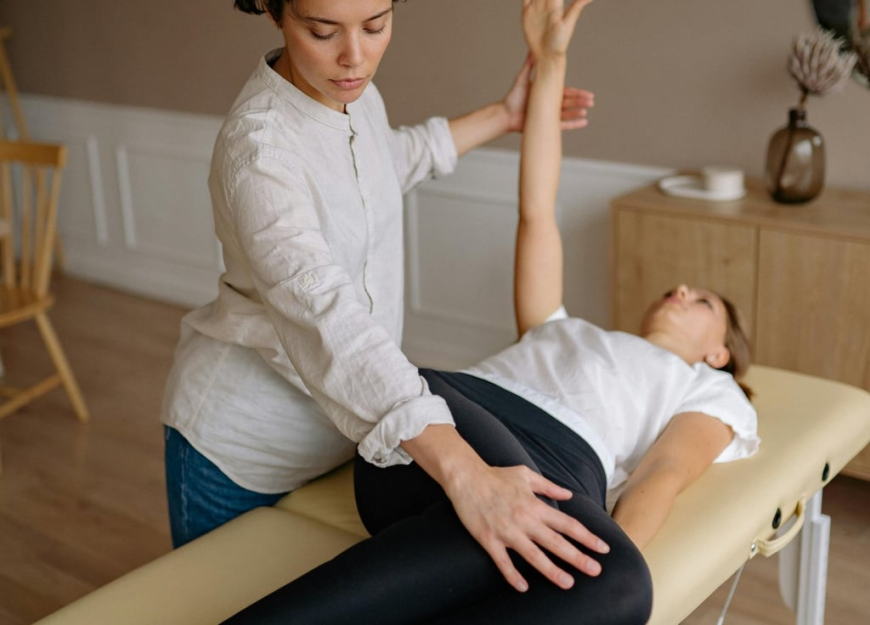
Women's bodies go through significant physical changes at different stages of life, from adolescence and pregnancy to childbirth, menopause, and beyond. These changes can sometimes lead to discomfort, pain, reduced mobility, or conditions that affect daily activities. Fortunately, many of these challenges can be managed effectively with the right care.
Women's health physiotherapy is a specialized branch of physiotherapy that focuses on the unique musculoskeletal and pelvic health needs of women. Whether you're experiencing pregnancy-related back pain, recovering after childbirth, managing pelvic floor dysfunction, or dealing with chronic pain, physiotherapy offers safe, non-invasive, and evidence-based solutions that improve both physical health and overall well-being.
What Is Women's Health Physiotherapy?
Women's health physiotherapy is designed to assess, treat, and prevent conditions that commonly affect women throughout different stages of life. A women's health physiotherapist uses personalised treatment plans, manual therapy, exercise therapy, pelvic floor rehabilitation, and movement education to help women recover from injuries, manage pain, and improve function.
This specialized care supports women during pregnancy, after childbirth, throughout menopause, and in managing long-term musculoskeletal conditions.
Who Can Benefit from Women's Health Physiotherapy?
Many women can benefit from physiotherapy, including those experiencing:
-
Pregnancy-related back pain
-
Pelvic girdle pain
-
Pelvic floor dysfunction
-
Urinary incontinence
-
Diastasis recti
-
Postpartum weakness
-
Chronic pelvic pain
-
Neck and shoulder pain
-
Joint pain
-
Sports injuries
-
Poor posture
-
Menopause-related mobility issues
Regardless of age or fitness level, physiotherapy provides individualized care to support long-term health.
Top Benefits of Women's Health Physiotherapy
1. Relieves Pregnancy-Related Back and Pelvic Pain
As pregnancy progresses, hormonal changes and increased body weight place additional stress on the spine and pelvis. Many women experience lower back pain, pelvic discomfort, and muscle tightness.
Pregnancy physiotherapy includes gentle exercises, posture correction, manual therapy, and stretching techniques that reduce pain while keeping both mother and baby safe.
2. Supports a Healthy Pregnancy
Remaining physically active during pregnancy offers numerous benefits.
A physiotherapist can guide expectant mothers through safe exercises that:
-
Improve flexibility
-
Strengthen muscles
-
Reduce fatigue
-
Enhance circulation
-
Prepare the body for labour
-
Improve overall mobility
A customized prenatal exercise program helps women stay comfortable throughout pregnancy.
3. Strengthens the Pelvic Floor
The pelvic floor muscles support the bladder, uterus, and bowel. Pregnancy, childbirth, aging, and hormonal changes can weaken these muscles.
Pelvic floor physiotherapy helps strengthen these muscles through targeted exercises, reducing discomfort and improving pelvic stability.
4. Helps Manage Urinary Incontinence
Many women experience bladder leakage after pregnancy or during menopause.
Rather than accepting it as a normal part of life, physiotherapy provides effective treatment through:
-
Pelvic floor muscle training
-
Bladder retraining
-
Lifestyle advice
-
Core strengthening exercises
With consistent therapy, many women experience significant improvement without surgery.
5. Speeds Up Postpartum Recovery
Childbirth places tremendous demands on the body. Recovery often involves healing weakened muscles, improving posture, restoring strength, and rebuilding confidence.
Postpartum physiotherapy supports mothers by helping them:
-
Regain strength
-
Improve posture
-
Reduce pain
-
Restore mobility
-
Return safely to daily activities
6. Assists with C-Section Recovery
Women recovering from Caesarean delivery often experience pain, scar tightness, weakness, and reduced mobility.
Physiotherapy may include:
-
Gentle mobility exercises
-
Scar tissue management
-
Core strengthening
-
Postural correction
-
Functional rehabilitation
These treatments help women recover more comfortably and confidently.
7. Treats Diastasis Recti
Diastasis recti occurs when the abdominal muscles separate during pregnancy.
Rather than relying on general abdominal exercises, physiotherapists prescribe safe and progressive exercises that strengthen the core without placing unnecessary stress on healing tissues.
8. Improves Core Strength and Posture
Weak core muscles contribute to poor posture, back pain, and reduced stability.
Exercise therapy focuses on strengthening deep abdominal muscles, improving spinal support, and restoring healthy movement patterns.
Better posture also reduces strain during childcare, household work, and office activities.
9. Relieves Chronic Pelvic Pain
Pelvic pain can result from muscle tension, childbirth, surgery, or underlying musculoskeletal conditions.
Women's health physiotherapy uses:
-
Manual therapy
-
Soft tissue release
-
Stretching
-
Relaxation techniques
-
Pelvic floor rehabilitation
These treatments help reduce pain while improving movement and quality of life.
10. Supports Women During Menopause
Hormonal changes during menopause may contribute to reduced bone density, joint stiffness, muscle weakness, and decreased balance.
Physiotherapy helps by:
-
Improving flexibility
-
Increasing muscle strength
-
Enhancing balance
-
Supporting bone health
-
Reducing joint discomfort
Regular exercise also promotes better long-term mobility.
11. Prevents Future Musculoskeletal Problems
One of the greatest advantages of physiotherapy is prevention.
By identifying movement problems early, physiotherapists help reduce the risk of recurring pain, injuries, and long-term physical limitations.
Conditions Commonly Treated
A women's health physiotherapist can help manage:
-
Pregnancy-related back pain
-
Pelvic girdle pain
-
Neck pain
-
Shoulder pain
-
Pelvic floor dysfunction
-
Urinary incontinence
-
Diastasis recti
-
Chronic pelvic pain
-
Postpartum weakness
-
Joint pain
-
Sports injuries in women
-
Postural problems
Common Physiotherapy Treatments
Treatment plans are tailored to each individual's needs and may include:
Pelvic Floor Exercises
Targeted exercises improve bladder control, pelvic stability, and muscle strength.
Manual Therapy
Hands-on treatment helps reduce muscle tension, improve joint mobility, and relieve pain.
Exercise Therapy
Customized exercise programs restore flexibility, strength, endurance, and confidence.
Core Strengthening
Strengthening deep abdominal muscles improves posture, balance, and spinal stability.
Postural Correction
Improving posture reduces strain on muscles and joints during everyday activities.
Stretching and Mobility Exercises
These exercises maintain joint flexibility while reducing stiffness and discomfort.
Breathing Techniques
Proper breathing supports pelvic floor function, relaxation, and core stability.
Functional Rehabilitation
Treatment focuses on improving movement required for work, childcare, exercise, and daily living.
Tips for Maintaining Women's Health
Along with professional physiotherapy, healthy lifestyle habits support long-term wellness.
-
Stay physically active.
-
Perform pelvic floor exercises regularly.
-
Maintain good posture.
-
Strengthen your core safely.
-
Use proper lifting techniques.
-
Stay hydrated.
-
Eat a balanced diet.
-
Get adequate sleep.
-
Manage stress effectively.
-
Seek early treatment for persistent pain.
When Should You See a Women's Health Physiotherapist?
Consider scheduling an assessment if you experience:
-
Persistent pelvic pain
-
Back pain during pregnancy
-
Urinary leakage
-
Pain after childbirth
-
Core weakness
-
Pain during exercise
-
Poor posture
-
Ongoing joint discomfort
-
Difficulty returning to physical activity
Early intervention often leads to quicker recovery and better long-term outcomes.
Choosing the Right Women's Health Physiotherapist
If you're looking for a women's health physiotherapist in Noida, choose a clinic that offers personalized care, evidence-based treatments, and comprehensive rehabilitation programs.
Movement With Physios provides specialized women's health physiotherapy in Noida, including pregnancy physiotherapy, postpartum rehabilitation, pelvic floor physiotherapy, manual therapy, and individualized exercise programs designed to support women through every stage of life.
Conclusion
Women's health deserves specialized care at every stage of life. From pregnancy and postpartum recovery to pelvic health and menopause, physiotherapy provides safe, effective, and personalized treatment that improves mobility, relieves pain, strengthens the body, and enhances overall well-being.
Whether you're preparing for childbirth, recovering after delivery, managing pelvic floor dysfunction, or simply looking to move with greater confidence, women's health physiotherapy can help you regain strength and improve your quality of life. Seeking professional support early allows you to recover more effectively and continue living an active, healthy lifestyle.