Behind the Basket: What UAE Residents Are Really Buying Online
The UAE's online shopping baskets tell a deeper story than just consumption—they reflect identity, priorities, and values in transition.
 Saamiyaatiyeh
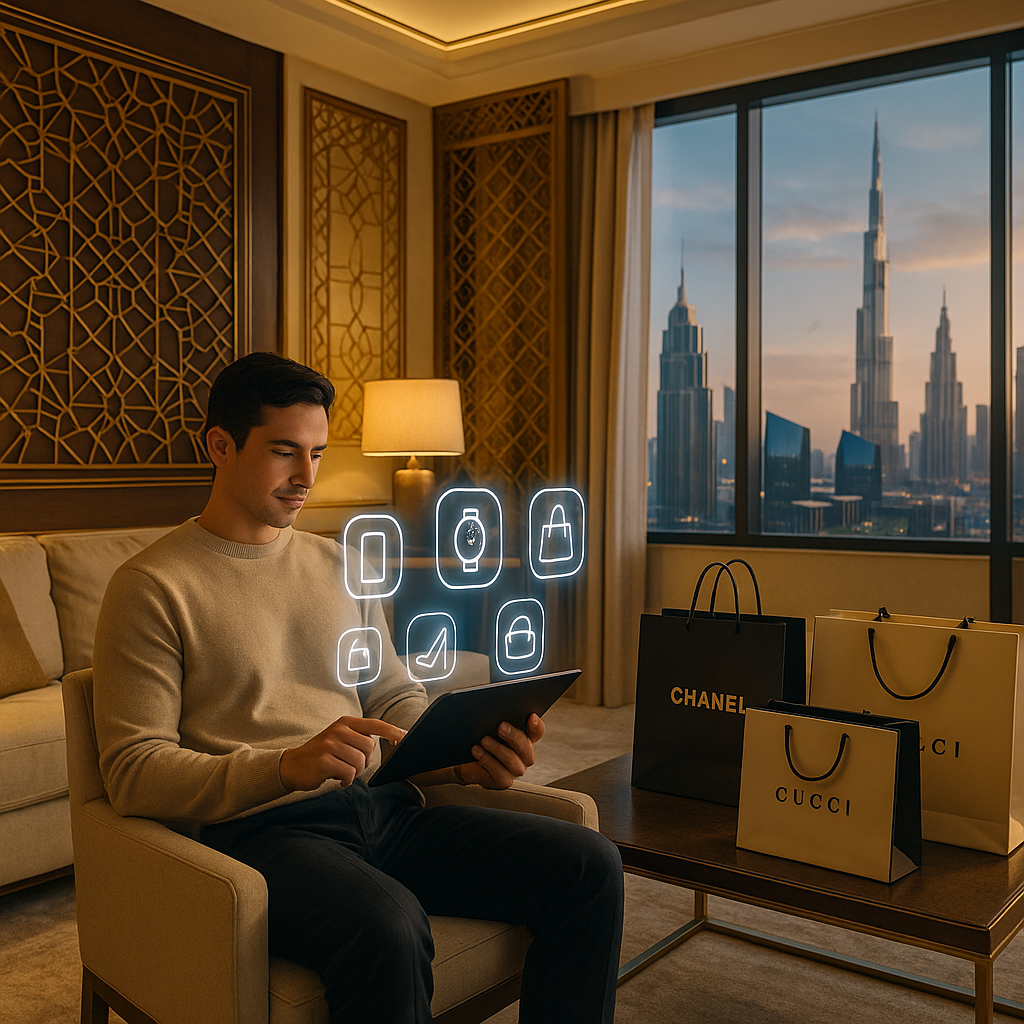
Over the past decade, the online shopping landscape in the UAE has undergone a remarkable transformation. With the influx of e-commerce platforms, mobile-first consumers, and widespread internet access, digital shopping has shifted from a convenience to a lifestyle. UAE residents—diverse in backgrounds but united by an appetite for innovation and comfort—are now shaping entirely new trends in what fills their online baskets. But what exactly are they buying, and what does it say about the modern consumer in the Emirates?
The habits go far beyond the occasional electronics haul or fashion splurge. In truth, what UAE shoppers are buying online reflects their evolving needs, lifestyle shifts, cultural preferences, and even how they define quality of life. Among the sea of online platforms competing for attention, some stand out by aligning closely with this evolving consumer behavior. Cooplus, for instance, taps directly into the growing demand for reliable, everyday essentials that people in the UAE now prefer to get delivered.
From Luxury to Lifestyle: The Shift in UAE's Online Preferences
For a long time, the stereotype about Middle Eastern e-commerce revolved around luxury shopping. Expensive perfumes, designer shoes, limited-edition watches—these were once the poster children of online baskets in the region. However, this perception has gradually become outdated. While luxury remains a crucial segment, there has been a significant transition toward more lifestyle-oriented, practical shopping.
UAE residents are now focusing more on day-to-day essentials, health and wellness items, sustainable products, and local brands. The pandemic period catalyzed this shift, and even post-COVID, the new patterns seem to be holding strong. Rather than ordering designer goods every week, many consumers are now filling their virtual carts with groceries, supplements, hygiene products, and eco-conscious alternatives.
This pivot has also placed a spotlight on local convenience and service quality. Instead of importing every item or relying on international chains, people want homegrown platforms that understand local needs. That’s one of the reasons Cooplus has seen growing interest—its offering of curated essentials resonates with shoppers who are prioritizing value, speed, and trust over brand flashiness.
Groceries and Household Essentials: The Digital Shift in the Pantry
A surprising revelation in recent consumer data is just how dominant groceries and household supplies have become in the UAE’s e-commerce scene. Historically, groceries were seen as the last frontier of online shopping—difficult to deliver, prone to quality concerns, and highly time-sensitive. But with better logistics, cold chain networks, and specialized platforms, buying produce or pantry items online is now seamless.
Fruits, vegetables, organic dairy, fresh meat, cleaning supplies, and cooking oils top the list of most commonly purchased goods. This pattern isn’t restricted to a particular income group. Whether it’s high-net-worth individuals or middle-class families, the appeal of online grocery shopping is universal, driven by the twin forces of convenience and time-saving.
For busy professionals in Dubai or Sharjah, the option to schedule grocery deliveries means one less task on an already full calendar. For stay-at-home parents, it provides a safer, faster way to manage the household. Meanwhile, expatriates are discovering platforms that stock niche items from their home countries, adding a touch of familiarity to their adopted home.
Fashion, But with a Twist
Fashion remains a top-selling category, but what consumers are buying—and how—is shifting. UAE shoppers aren’t just chasing seasonal trends or celebrity collaborations. They're also investing in comfort wear, modest fashion, and sustainable clothing. Linen tunics, cotton dresses, eco-friendly athleisure, and gender-neutral apparel have become common additions to the checkout basket.
Many residents now gravitate toward brands that offer transparency in materials, fair pricing, and a touch of authenticity. Limited-edition releases are still popular, but so are capsule wardrobes and slow fashion. This change is driven largely by the younger generation of shoppers—Millennials and Gen Z—who use fashion as a reflection of personal ethics as much as personal style.
Online reviews, Instagram influencers, and TikTok haul videos play a vital role in shaping what gets added to online shopping baskets. Digital platforms that integrate social proof, real-time delivery tracking, and easy return policies are preferred, often receiving repeat purchases.
Health, Wellness, and the Clean Living Movement
Another major category gaining momentum is health and wellness. The growing awareness of self-care, fitness, and holistic health has translated directly into online buying behavior. UAE shoppers are ordering everything from protein powders and herbal teas to skincare serums, yoga mats, and aromatherapy oils.
Online pharmacies and wellness stores have particularly flourished. Vitamins, immunity boosters, vegan snacks, and chemical-free personal care items now frequently appear in e-carts. The "clean living" philosophy is gaining popularity not just among the affluent but also among everyday shoppers trying to live healthier lives.
With wellness now viewed as a lifestyle rather than a luxury, platforms that cater to these interests—offering authentic, lab-tested products with genuine user reviews—are thriving. This has led to the rise of niche stores that specialize in cruelty-free skincare, organic supplements, and Ayurvedic remedies.
The Role of Local E-Commerce Platforms
In the middle of this evolving e-commerce landscape, the role of local platforms cannot be underestimated. Consumers are starting to prioritize platforms that understand their specific needs, speak their language, and operate on their time zone. Many residents express fatigue with the long wait times and impersonal service from international giants.
This is precisely where Cooplus fits in—not by being flashy or overly promotional, but by aligning with real consumer behavior. With its wide selection of household staples, wellness goods, and locally relevant items, it echoes the values UAE residents are now bringing to their digital shopping.
Reliability, fast delivery, consistent quality, and cultural sensitivity have become the new gold standards. Consumers are no longer content with simply having access—they want e-commerce platforms that anticipate their needs, build trust, and offer seamless experiences from scroll to doorstep.
Tech-Savvy Shoppers and AI-Driven Decisions
One of the defining characteristics of UAE’s online buyers is their tech-savviness. With some of the highest smartphone penetration rates in the world, most residents now shop on mobile. They expect intuitive interfaces, personalized recommendations, and real-time tracking.
Artificial intelligence is increasingly playing a role in what ends up behind the basket. Smart suggestions, purchase reminders, bundle deals, and dynamic pricing are all shaping the digital cart. And consumers are becoming smarter in return—comparing prices across platforms, watching unboxing reviews, and using cashback tools.
This constant loop of tech meets consumer behavior is pushing UAE’s e-commerce to new levels of sophistication. Platforms that don't keep up with these expectations often see high bounce rates and low retention.
Beyond the Transaction: Building Brand Trust
Trust has emerged as the most crucial currency in UAE’s e-commerce space. Shoppers may come for convenience, but they stay for consistency. Delays, wrong items, or poor customer service often lead to public callouts on social media—sometimes more damaging than a one-star review.
On the flip side, brands that exceed expectations can win long-term loyalty. From secure payment options and easy refund policies to excellent customer support, the ecosystem of trust is built on multiple touchpoints. It’s not just about what consumers are buying but how they feel while buying it.
The emergence of platforms like Cooplus, which prioritize local understanding and dependable service, reflects this deeper relationship between buyer and seller. When consumers feel seen and heard, they’re far more likely to become advocates than just one-time customers.
What UAE’s Baskets Reveal About Modern Life
What’s inside UAE residents’ online baskets in 2025 is a telling indicator of how life is being lived in this fast-paced, multicultural society. Practicality is being paired with aspiration, comfort with style, and wellness with convenience. Instead of being driven solely by impulse or vanity, shopping now has a rhythm that reflects how people think, work, eat, and relax.
You’ll find essentials alongside indulgences, local brands beside global names, and sustainable choices right next to luxury buys. It's a complex, layered ecosystem—but one that shows a society maturing in its consumer choices.
This transformation also signals a shift in power. The buyer is in control now, equipped with tools, choices, and insights to make more informed decisions than ever. E-commerce platforms that keep pace with these expectations—balancing innovation with authenticity—are the ones that will thrive.
Conclusion: Shopping as a Mirror of Modern UAE
The UAE's online shopping baskets tell a deeper story than just consumption—they reflect identity, priorities, and values in transition. From the growing focus on health to the embrace of digital convenience and cultural relevance, what people are buying online paints a vivid portrait of a society that blends tradition with progress.
In the midst of this evolution, platforms like Cooplus are becoming more than just marketplaces. They're becoming trusted partners in daily life, adapting to a new kind of consumer who is informed, intentional, and constantly evolving. As the digital aisles expand and shopper expectations rise, understanding what’s behind the basket becomes not just relevant, but essential for any brand hoping to connect with the modern UAE resident.