Advertising Agency Website Features That Drive Growth
 jessica1190smith
0
2

All of us have noticed the ironic thing about the industry: an agency that specializes in fantastic digital campaigns for customers has its own website forgotten. When you press the link, it happens that the animation is slow, navigation menus are absent, and the philosophy statement takes a while to read but tells nothing about their work. In a crowded digital market, you cannot afford to hide behind abstract art direction.
Your website should not be a digital business card; it must be your most effective sales professional. When enterprise brands look to outsource their growth, they examine your platform to see if you can practice what you preach. In this comprehensive guide, we are going to dive deep into the exact website features that the industry's highest-earning firms use to capture leads. You will learn how to balance high-end aesthetics with rigid technical performance, structure your conversion funnels, and turn casual visitors into high-paying client accounts.
The Architecture of High-Converting Agency Platforms
The top agencies in the world know that the user experience is the determining factor in a brand's technological skills and capabilities. Their websites provide a synergy of function and beauty. To give an example, it is worth mentioning that instead of just saying that they redesign online shops, they tell the audience about that storyline. It means they should show how they audited the client's checkout funnel, made complex multi-variate tests, and created custom features. If your layout is clunky or difficult to navigate, prospective clients will assume your campaign architectures are equally disorganized.
To stand out, your platform needs to ditch the generic templates and establish a clear, intentional visual hierarchy. This means keeping your core value proposition front and center above the fold. Within five seconds of arriving, a visitor must understand your specific niche, your target clientele, and the concrete business results you deliver.
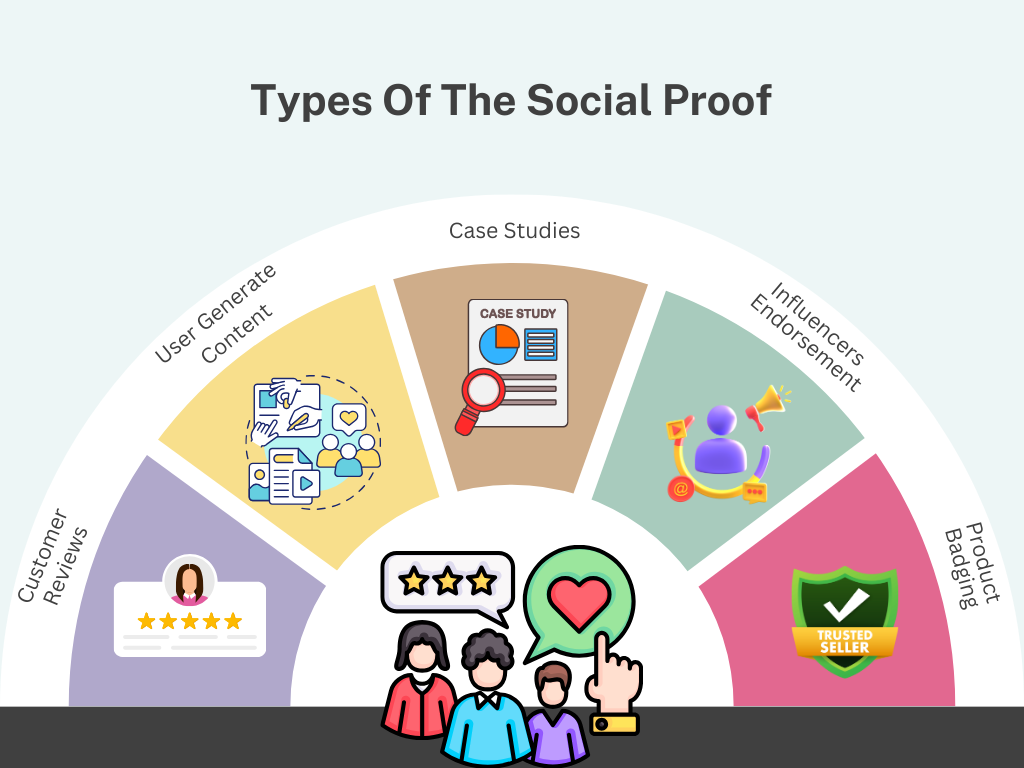
The days of simply listing client logos on your homepage and calling it a day are officially over. Modern brands want transparent, verifiable proof of your competence. They want to see the exact problems your clients faced, the precise strategies you implemented, and the measurable data points that resulted from your intervention.
If your agency specializes in deep e-commerce optimization, your portfolio needs to mirror the precision of a top-tier auto repair social marketing. For instance, Rather than saying that you redesign ecommerce websites, you can show how your team audited the client's checkout funnel, conducted multi-variate tests, and developed custom features.
For boutique businesses looking to scale, seeing that you understand technical nuances—like acting as an agile shopify cro agency to lower client acquisition costs—builds immense credibility. If you work with high-volume enterprise brands, your case studies must reflect that specialized scale. Explicitly detailing how you operated as a dedicated shopify plus cro agency to handle complex multi-currency checkouts or international scaling proves to high-value prospects that you possess the advanced infrastructure needed to handle their business securely.
Frictionless Inbound Infrastructure
What truly separates good marketing websites from average ones is the design of their inbound lead funnels. Many agencies lose hot prospects right at the finish line by forcing them to fill out long, intrusive contact forms that ask for twenty different pieces of information before a discovery call is even scheduled.
The world's best advertising agencies eliminate friction, using clean and interactive multi-step onboarding questionnaires that seem to be a friendly interview rather than a questionnaire. By keeping your initial discovery forms short, using real-time scheduling widgets, and providing immediate value—such as a complimentary mini-audit tool directly on the confirmation page—you drastically increase your conversion rates and build trust before your sales team even hops on a Zoom call.
Maximizing Performance: Speed, Layout, and Technical Integrity
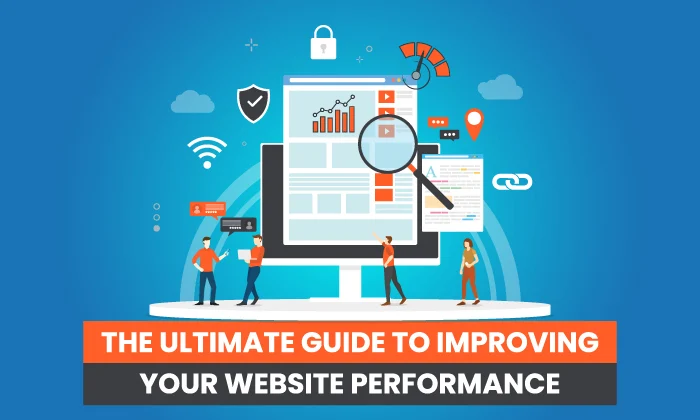
You can have great copy and case studies, but if your website does not load within three seconds, your target audience will leave your site. Nowadays, modern search engine algorithms do not tolerate slow-loading websites meaning that your website speed dictates visibility in organic search results. Optimize media assets. Compress your high-definition video showreels, eliminate unnecessary tracking scripts, and ensure that your website layout is perfect for mobile. Many corporate decision-makers are evaluating agency partners on their smartphones while moving around or holding meetings. So if customers see that your website structure is malfunctioning on mobile, you are losing money.
The Realities of Platform Development: Pros, Cons, and Key Questions
To help you build a clear execution plan for your next website overhaul, let’s explore the advantages, potential hurdles, and essential questions surrounding high-performance agency site design.
The Advantages (Pros): An optimized and conversion-oriented website creates an immediate authority in the market and also facilitates the sales process significantly. By showcasing technical vertical mastery openly, you build a steady pipeline of organic inbound inquiries, drastically lowering your long-term dependency on cold outbound outreach.
The Challenges (Cons): Building and maintaining a truly world-class advertising agency website requires a substantial, ongoing investment of time, talent, and capital. Balancing heavy media assets like interactive animations with rapid page-loading speeds requires advanced development skills. Furthermore, keeping your case studies continuously updated with fresh data points requires strict internal discipline.
Frequently Asked Questions:
Should we publish our pricing packages directly on our website?
For premium creative firms, it is usually wiser to avoid rigid pricing tables. Instead, focus your content on the scope of the problems you solve and the value you create. You can, however, list minimum engagement thresholds to ensure your inbound leads align with your financial goals.
How often should we update our portfolio and case studies?
Your website should be a living ecosystem. Aim to refresh your primary case studies at least once every quarter, removing older, less relevant projects to ensure your absolute best work is always front and center.
How do we balance extreme creative design with strict SEO guidelines?
True professionals do not sacrifice one for the other. Use clean, crawlable text hierarchies for your core copy, and use your advanced animations and visual elements to support that text rather than replace it entirely.
Conclusion: Turning Your Digital Presence into a Growth Asset

At the end of the day, your website is the definitive showcase of your agency's standard of excellence. By shifting your focus away from abstract, self-indulgent design trends and steering toward transparent data, lightning-fast mobile performance, and a frictionless inbound user journey, you build a powerful digital asset. Stop letting your website be an afterthought. Infuse your platform with the exact same conversion strategies you pitch to your clients, and watch your agency scale sustainably for years to come.