A Homeowner’s Guide to HVAC: How Home Comfort Systems Work
 press
press
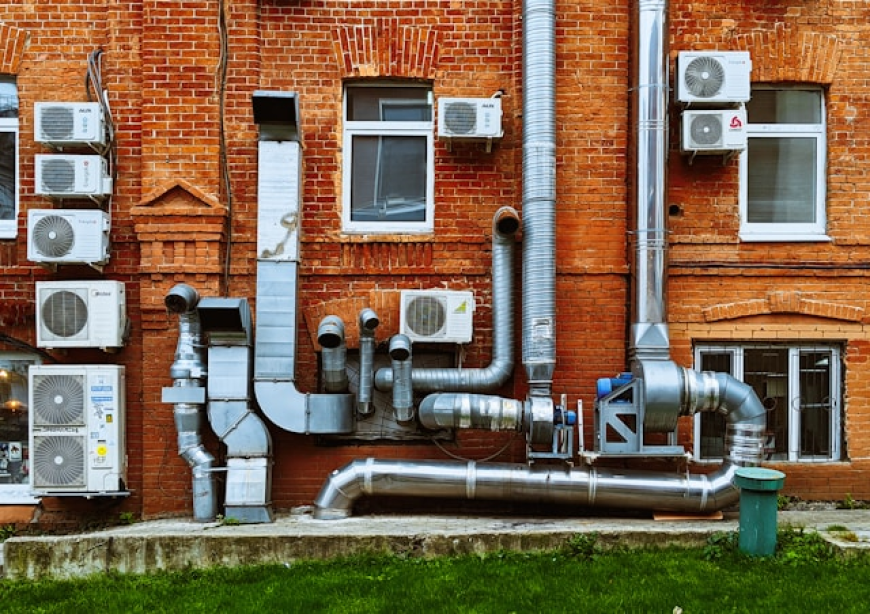
Heating, ventilation, and air conditioning (HVAC) systems are the backbone of year-round home comfort. Whether you’re trying to stay warm on a chilly morning or cool during a summer heat wave, these systems work quietly in the background to keep your living environment comfortable and healthy. Yet for many homeowners, the inner workings of HVAC systems and the services that support them remain a mystery—until something stops working.
This article provides a general, educational look at HVAC fundamentals, why care and maintenance are important, and how understanding basic HVAC concepts can help you make informed decisions about comfort, energy efficiency, and long-term equipment performance.
What “HVAC” Really Means
HVAC stands for:
-
Heating: Systems that warm indoor spaces
-
Ventilation: Movement of air to control quality and humidity
-
Air Conditioning: Systems that cool and dehumidify indoor air
These elements work together to provide a balanced indoor climate. A well-functioning HVAC system ensures that air is circulated, conditioned, and refreshed throughout your home.
How HVAC Systems Keep You Comfortable
Most residential HVAC systems are composed of three key elements:
-
Thermostat: Acts as the control center, sensing indoor temperature and signaling the system to heat or cool.
-
Conditioning equipment: Includes furnaces, heat pumps, or air conditioners that actually generate or move heat.
-
Air distribution system: Typically ductwork that delivers conditioned air throughout the home.
In some homes, ductless systems deliver air directly to individual rooms for zone-based comfort. Regardless of the type, the goal is the same: regulate indoor temperatures while maximizing energy efficiency.
Common Types of HVAC Systems
There isn’t a one-size-fits-all solution when it comes to HVAC. Different systems are suited for different homes and climates:
-
Central HVAC systems: Use ductwork to distribute conditioned air throughout a home.
-
Heat pumps: Provide both cooling and heating by transferring heat between indoor and outdoor air.
-
Ductless mini-splits: Ideal for homes without ductwork or for adding climate control to specific rooms.
-
Hybrid systems: Combine multiple technologies to boost comfort and efficiency.
Each system type has unique strengths and trade-offs, which is why understanding your home’s needs matters before choosing or servicing equipment.
The Importance of HVAC Maintenance
Routine HVAC maintenance is one of the most effective ways to keep systems running smoothly. Seasonal check-ups typically include:
-
Cleaning or replacing filters
-
Inspecting electrical and mechanical components
-
Testing thermostat operation
-
Checking refrigerant levels and airflow
Regular maintenance helps your system operate more efficiently, reduces the risk of untimely breakdowns, and can extend the service life of your equipment.
Signs Your HVAC System Needs Attention
Even well-maintained systems can develop issues over time. Common signs you might need HVAC service include:
-
Uneven temperatures across rooms
-
Weak airflow from vents
-
Strange noises during operation
-
Higher energy bills without usage changes
-
Inconsistent response to thermostat settings
If you notice any of these symptoms, a professional evaluation can often catch problems early—before they turn into costly repairs.
Why Professional Services Matter
HVAC systems are complex, involving electrical, mechanical, and airflow components. Professional services help ensure systems are installed correctly and operate safely and efficiently. A trained technician can:
-
Diagnose performance issues
-
Perform system tune-ups
-
Repair or replace worn components
-
Advise on energy-saving upgrades
For a sense of the kinds of HVAC support professionals typically offer, many homeowners start with general resources like cowboysac.com, which describe typical services and support.
Energy Efficiency and Long-Term Savings
An efficient HVAC system not only keeps you comfortable but also helps manage energy costs. Systems that operate properly use less fuel or electricity to deliver the same level of comfort, which can lead to lower utility bills. Good habits that support efficiency include:
-
Changing filters as recommended
-
Scheduling regular maintenance
-
Sealing drafts around doors and windows
-
Using programmable thermostats to reduce run times
These practices help your HVAC system deliver comfort without unnecessary energy waste.
Indoor Air Quality and Ventilation
HVAC systems also play a key role in indoor air quality (IAQ). Proper airflow and filtration help reduce airborne particles and allergens. Ventilation systems draw in fresh air and manage humidity—both important for healthy indoor environments. Upgrading filters, improving ventilation, and addressing moisture issues all contribute to better IAQ.
Planning for Long-Term HVAC Success
Rather than waiting for a system to fail, many homeowners adopt a proactive approach:
-
Keep records of past service and repairs
-
Schedule seasonal inspections
-
Watch for early signs of wear or inefficiency
-
Budget for eventual equipment replacement
Taking a long-term view of HVAC care helps ensure comfort, reliability, and peace of mind.
Conclusion
Understanding how HVAC systems work and what services support them empowers homeowners to make smarter decisions about home comfort. Whether you’re maintaining your current system or planning for future upgrades, a basic knowledge of HVAC principles helps you stay comfortable, control energy costs, and extend equipment life.
For an overview of the types of services that support residential HVAC systems, many homeowners begin by exploring general informational resources available on sites like cowboysac.com.