A 12-Day Sicily Wine Tour Through Vineyards & Historic Towns
 classicsicily
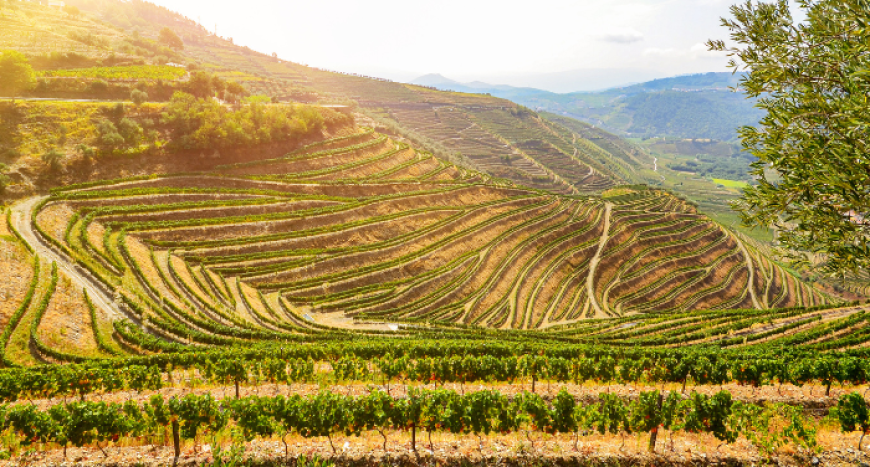
Sicily is one of the oldest wine-producing regions in the world, and a 12-day journey across the island reveals why. Between ancient vineyards, sun-soaked coastlines, and towns that have stood for centuries, this itinerary blends wine tasting with culture in a way few destinations can match. For travelers searching for wine tours Sicily has to offer, this route covers the island's most celebrated wine zones alongside its most memorable historic towns.
Why Sicily Is a World-Class Wine Destination
Sicily's volcanic soil, Mediterranean climate, and centuries-old winemaking traditions make it one of Italy's most exciting wine regions. Grapes like Nero d'Avola, Nerello Mascalese, and Grillo thrive here, producing wines that range from bold reds grown on the slopes of Mount Etna to crisp whites from coastal vineyards near Marsala.
A well-planned trip should include:
-
Time in at least three distinct wine zones (Etna, Marsala, and southeastern Sicily)
-
Visits to family-run wineries alongside larger estates
-
Guided tastings led by local sommeliers
-
Pairings with regional Sicilian cuisine
-
Stops in historic towns between wine regions
This mix of flavor and history is what separates a standard wine trip from a truly immersive experience, and it's the foundation of a luxury wine tour of Sicily.
Days 1 to 3: Palermo and the Western Vineyards
The journey typically begins in Palermo, Sicily's vibrant capital. Spend the first day exploring the city's markets, Norman architecture, and Baroque churches before heading west toward the Marsala wine region.
Highlights include:
-
A walking tour of Palermo's historic center
-
Tastings at wineries producing Marsala's famous fortified wines
-
A visit to the Egadi Islands or the salt pans of Trapani
-
Traditional Sicilian dinners paired with local white wines
The western coast offers a gentle introduction to Sicilian wine culture, with warm hospitality and estates that have been producing wine for generations. UNESCO-listed
Days 4 to 6: Agrigento and the Valley of the Temples
Moving south, the route passes through Agrigento, home to the UNESCO-listed Valley of the Temples. This stretch of the trip pairs archaeology with agriculture, since the surrounding countryside is dotted with vineyards growing Nero d'Avola and Grillo.
This portion of the itinerary usually includes:
-
A guided tour of the ancient Greek temples
-
Wine tastings at estates near the Agrigento countryside
-
Cooking classes featuring local olive oil and wine pairings
-
Scenic drives through rolling vineyard landscapes
The contrast between ancient ruins and working vineyards gives travelers a strong sense of how deeply wine is woven into Sicilian history.
Days 7 to 9: Southeastern Sicily and Baroque Towns
The southeastern corner of the island is known for its Baroque towns and increasingly for its wine. Noto, Ragusa, and Modica offer stunning architecture, while nearby vineyards produce excellent reds and rosés.
Key experiences include:
-
Wandering the golden stone streets of Noto
-
Wine tastings at boutique estates near Vittoria
-
A stop in Modica for its famous chocolate and pairing traditions
-
Evening strolls through Ragusa's hillside old town
This section of the trip slows the pace slightly, giving travelers time to enjoy small-town life alongside the wine.
Days 10 to 12: Mount Etna and the Grand Finale
No wine tour of Sicily is complete without time on Mount Etna, Europe's most active volcano and one of the most exciting wine regions in the world right now. The volcanic soil produces distinctive reds and whites that have earned international acclaim.
The final days often include:
-
Vineyard visits at elevations up to 3,000 feet
-
Tastings of Etna Rosso and Etna Bianco with winemakers
-
A hike or cable car ride partway up the volcano
-
A farewell dinner in Taormina overlooking the Ionian coast
Ending the trip in Taormina, with its ancient Greek theater and sweeping views of the sea, provides a fitting close to a journey that has moved through thousands of years of history and generations of winemaking.
Planning Tips for a Sicily Wine Tour
A few practical points help travelers get the most from this itinerary:
-
Visit between April and June or September and October for ideal weather and harvest season access
-
Book winery tastings in advance, especially for smaller family estates
-
Choose accommodations that reflect each region, from coastal boutique hotels to countryside agriturismos
-
Arrange private transportation between regions to maximize time at each stop
-
Allow flexibility for spontaneous stops at roadside markets and lesser-known towns
Working with a specialist who understands the island's wine regions and logistics makes it far easier to build a route that balances driving time with meaningful experiences at each stop.
Who This Trip Is Best For
This 12-day route suits travelers who want more than a surface-level vacation. It works well for:
-
Wine enthusiasts looking to explore lesser-known Italian varietals
-
Couples seeking a mix of romance, culture, and culinary experiences
-
Small groups of friends who enjoy active days and long dinners
-
Travelers who prefer a private, well-paced itinerary over a large group tour
Because Sicily's wine regions are spread across the island, having a thoughtfully sequenced route matters as much as the tastings themselves.
Classic Sicily specializes in designing private, custom itineraries like this one, connecting travelers with boutique wineries, historic towns, and knowledgeable local guides throughout the island.
Ready to build your own Sicily wine journey?
FAQ
How many days do you need for a Sicily wine tour?
Most travelers find 10 to 12 days ideal for covering Sicily's major wine regions, including Etna, Marsala, and the southeast, without rushing between stops.
What is the best time of year for a Sicily wine tour?
Spring (April to June) and fall (September to October) offer mild weather and, in autumn, the chance to witness the grape harvest firsthand.
What wines is Sicily known for?
Sicily is best known for Etna Rosso and Etna Bianco from Mount Etna's volcanic vineyards, along with Nero d'Avola, Grillo, and the fortified wines of Marsala.
Is Sicily good for a luxury wine vacation?
Yes. Sicily offers boutique wineries, private tastings, upscale countryside accommodations, and historic towns that make it well suited to a luxury, personalized itinerary.