What Are the Technological Advances Behind the Modern Brain Surgery Simulator?
 surgeonslab
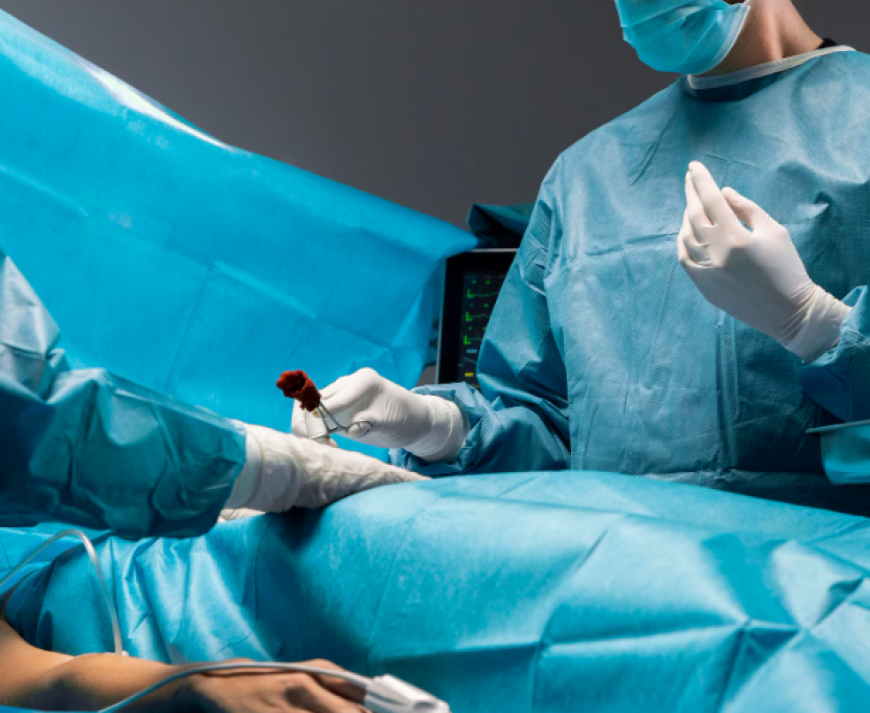
Brain surgery simulators are high-tech training tools. They use virtual reality, augmented reality, haptic feedback, digital twins, and image-guided navigation. These technologies provide a realistic training experience. A brain surgery simulator helps neurosurgeons improve their skills before operating on real patients.
Immersive Virtual and Augmented Reality (VR/AR)
Modern simulators transform neurosurgery training by integrating virtual reality labs and augmented reality-assisted surgery. They establish a unified training environment that seamlessly integrates cognitive and procedural skills. These cutting-edge platforms merge 3D-printed anatomical models with AR overlays, allowing trainees to dominate brain structures in both virtual and physical environments.
Haptic Feedback and Force Simulation
Haptic electrocautery simulators mimic the resistance and texture of brain tissue. They provide a realistic feel with precise force feedback. Advanced systems use image-guided robots and 3D force-sensing tools. They work inside MRI machines. This setup allows for precise microsurgery and direct tactile feedback.
Image-Guidance, 3D Printing, and Digital Twins
Image-guided surgery systems track surgical tools and show them on a patient's body in real time. They use cameras, ultrasound, or electromagnetic tracking to keep procedures safe. The Mayo Clinic and similar institutions use 3D printing and holographic renderings to create exact patient-specific simulation models.
Digital twin frameworks for skull-base surgery make real-time virtual copies of tools and anatomy. They help surgeons by highlighting targets in mixed reality during procedures. This guidance leads to better outcomes.
Why This Matters
-
Surgeons practice complex tasks in high-pressure simulations. This training helps them be ready for the operating room.
-
VR and haptics technology significantly boost confidence during surgeries, leading to better outcomes.
-
Patient-specific models and digital twins help customize training for real-life cases. This lets surgeons practice and improve their skills for better results.
Key Takeaway
SurgeonsLab leads in surgical simulation tools. They create advanced simulators that combine mixed reality with physical flow models. These simulators change how we do interventional procedures. Their precise device handling and performance analysis greatly improve neurosurgical training. By harnessing this technology, we accelerate interdisciplinary breakthroughs in surgical simulation.