Smarter Cooling for West Texas Homes - The Rise of Energy-Efficient HVAC
In West Texas, air conditioning is more than a convenience—it’s part of everyday life. Long, hot summers and dry conditions mean HVAC systems often run for months at a time.
 Christophern
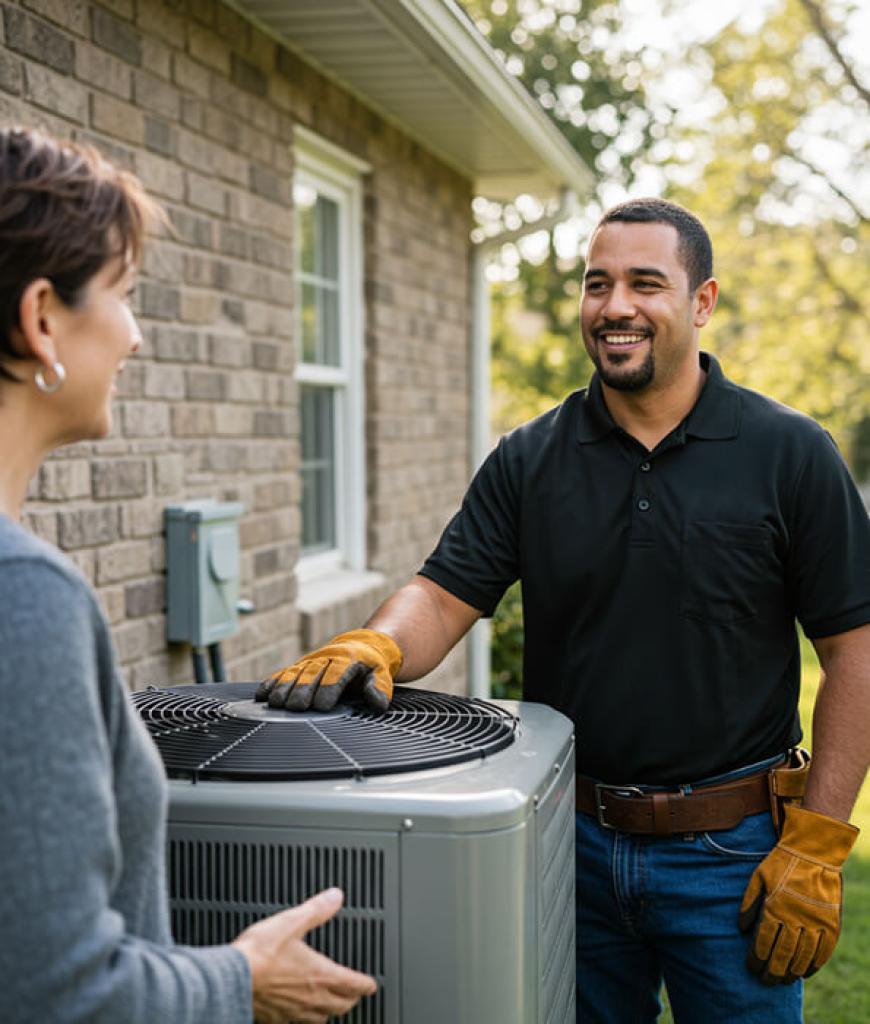
In West Texas, air conditioning is more than a convenience—it’s part of everyday life. Long, hot summers and dry conditions mean HVAC systems often run for months at a time. As energy costs fluctuate and homeowners become more conscious of efficiency, many are starting to rethink how their heating and cooling systems operate.
Today’s homeowners are no longer just looking for systems that cool a house. They want solutions that reduce energy waste, lower monthly bills, and improve indoor comfort at the same time. That shift is driving increased interest in modern, energy-efficient HVAC systems designed to handle demanding climates like Midland’s.
Why HVAC Efficiency Matters in West Texas
Midland homes experience long stretches of high temperatures, often pushing HVAC systems to run for extended periods throughout the day. Older systems, especially those more than 10–15 years old, tend to work harder while delivering less cooling power.
This inefficiency can lead to several problems:
-
Higher monthly energy bills
-
Uneven cooling across rooms
-
Frequent system repairs
-
Increased wear on components
-
Reduced indoor comfort
Energy-efficient systems are designed to address these issues by using advanced compressors, improved airflow management, and smarter thermostat integration. Instead of running at full power constantly, many modern systems adjust output based on the home’s cooling needs.
The result is a system that maintains comfortable temperatures while using less electricity.
What Makes an HVAC System Energy Efficient?
Energy efficiency in HVAC equipment isn’t just about using less power. It’s about delivering the same—or better—comfort while minimizing wasted energy.
Several features define a modern high-efficiency system.
Variable-Speed Technology
Traditional systems operate in a simple on/off cycle. They either run at full power or not at all.
Variable-speed systems, however, can run at multiple levels. Instead of blasting full power repeatedly, they maintain steady airflow and adjust cooling gradually. This helps keep indoor temperatures consistent while using less energy.
Higher SEER Ratings
SEER (Seasonal Energy Efficiency Ratio) measures how efficiently an air conditioning system operates over a cooling season. Higher SEER ratings indicate better energy performance.
Newer systems often provide significantly better efficiency compared to older models installed more than a decade ago.
Smart Thermostat Integration
Smart thermostats help optimize HVAC performance by learning household patterns. They can automatically adjust cooling schedules, reduce energy usage when the home is empty, and maintain comfort when residents return.
Improved Airflow and Duct Design
Even the most efficient HVAC unit can struggle if airflow is restricted. Proper duct design, balanced airflow, and sealed ducts help systems distribute air effectively throughout the home.
Signs Your Current HVAC System Is Wasting Energy
Many homeowners don’t realize their HVAC system is inefficient until their utility bill jumps unexpectedly. But there are several warning signs that a system may be losing efficiency.
Common indicators include:
-
Cooling cycles that run longer than they used to
-
Certain rooms feeling warmer than others
-
Increasing repair frequency
-
Loud or unusual operating sounds
-
Rising electricity bills without changes in usage
These symptoms often indicate that a system is aging or struggling to keep up with demand. In some cases, routine maintenance can improve efficiency. In others, replacing outdated equipment may provide better long-term value.
The Long-Term Benefits of Efficient HVAC Systems
Investing in efficiency is about more than short-term savings. Over time, improved HVAC performance can make a noticeable difference in both comfort and operating costs.
Some key long-term advantages include:
-
Lower monthly energy bills due to reduced electricity consumption
-
More consistent indoor temperatures across different rooms
-
Less strain on system components, leading to fewer repairs
-
Improved indoor air quality through better airflow and filtration
-
Quieter operation compared to older units
For many homeowners, these benefits combine to create a more comfortable living environment year-round.
Efficiency and Home Value
Energy performance is increasingly becoming a factor in home value and buyer interest. Prospective buyers often ask about HVAC system age, efficiency ratings, and energy usage before making a purchase decision.
Homes equipped with newer, efficient heating and cooling systems can stand out in competitive real estate markets. Buyers recognize the long-term savings potential and appreciate knowing they won’t face immediate system replacement costs.
This makes HVAC upgrades not only a comfort improvement but also a strategic home investment.
Maintenance Still Matters
Even the most efficient HVAC system requires proper care to maintain performance. Without regular maintenance, efficiency levels can decline over time.
Simple steps that help maintain efficiency include:
-
Replacing air filters regularly
-
Scheduling seasonal system inspections
-
Keeping outdoor units clear of debris
-
Checking airflow from vents and registers
-
Addressing unusual noises or odors quickly
Routine attention helps ensure the system continues operating as designed and prevents small issues from becoming costly repairs.
Choosing the Right System for Midland Homes
Every home has different cooling demands depending on factors like size, insulation, window placement, and duct layout. Selecting the right HVAC system requires considering these elements rather than simply choosing the largest unit available.
Oversized systems can cycle on and off too quickly, reducing efficiency and causing uneven cooling. Proper sizing and installation are essential for achieving optimal performance.
Homeowners researching upgrades often begin by exploring options for energy-efficient HVAC in Midland to better understand what technologies and system types are available for the region’s climate.
Working with experienced professionals can help ensure that any new system is properly sized, installed, and configured for the home’s specific needs.
Building a More Comfortable Future
As energy awareness continues to grow, more homeowners are recognizing the value of efficient heating and cooling systems. In climates like West Texas, where air conditioning plays a major role in daily comfort, upgrading to modern HVAC technology can provide both immediate and long-term benefits.
Better efficiency means more than lower bills—it means quieter systems, improved indoor comfort, and equipment designed to handle the demands of the local climate.
For homeowners looking to improve their living environment while managing energy use more effectively, investing in a modern HVAC system can be a practical step toward a more comfortable and sustainable home.