Safety tips for handling chemicals
Safety tips for handling chemicals. chemical agents can also be classified according to the risk they pose.
 Audrey
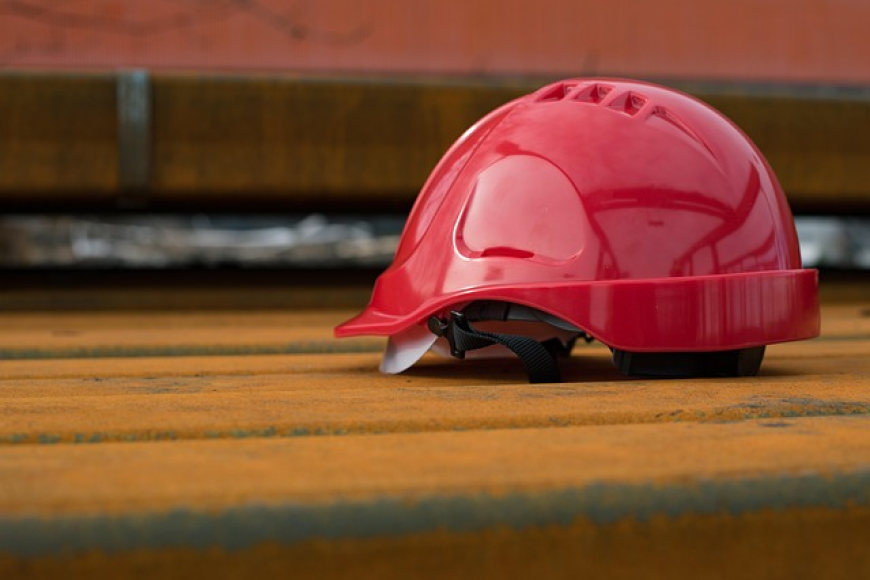
Safety tips for handling chemicals:
Present in companies from different market segments, the handling of chemical products is a great concern for occupational health and safety (OHS) professionals. Just to give you an idea, this activity is responsible for 14% of workplace accidents.
The vast majority of which are caused by poisoning.
But is it possible to prevent these occurrences? According to several regulatory standards, yes. With good professional training and good practices for handling harmful and dangerous products, it is possible to ensure safer operations in all areas of activity.
What are chemical products?
In principle, chemical products are pure or mixed substances that have their compositions altered through some chemical processing process. They are used in the manufacture of food, medicines, cleaning products, herbicides and pesticides, among many other products. Click Here for Coshh course in UAE
Given this, it is easy to understand that chemical products are present in agriculture, commerce, industry, hospitals and many other sectors of the economy. They are classified according to their physical state, i.e., liquid, solid and gaseous, as listed below:
Solid state: dust, fumes and fibers;
Liquid state: mists, fogs, combustibles and flammables;
Gaseous state: hydrogen, nitrogen and other gases and vapors.
In addition to classification according to physical state, chemical agents can also be classified according to the risk they pose:
Irritants:
Examples of irritating chemical agents include chlorine, caustic soda, ammonia and sulfuric acid. As the name suggests, handling these chemical products can cause irritation to the worker's skin, eyes and respiratory tract.
Asphyxiants:
These are those that reduce the amount of oxygen in the air or prevent it from reaching the body. Among the many options, carbon monoxide, nitrogen, methane and helium stand out. When inhaled, they cause headaches, drowsiness and, in more serious cases, convulsions.
Allergens:
Despite offering less risk, handling allergenic chemical products can also cause harm to the health of the worker. They can cause allergies on the skin, in the respiratory tract and other physiological complications.
Anesthetics:
These are chemical agents that act on the central nervous system, causing mood swings, fainting or narcotic effects, such as ether, chloroform, alcohols and others.
Corrosives:
Handling corrosive chemical products requires extreme care. This is because these agents, when in contact with the skin and other parts of the worker's body, can cause very serious injuries.
Carcinogens:
As the name suggests, carcinogenic chemical agents are those capable of causing cellular changes and causing tumors and cancers. Benzene, asbestos and formaldehyde are good examples of these substances.
Which NR determines the minimum safety requirements for handling chemical products?
Since chemical agents are part of the daily lives of millions of workers, several regulatory standards establish which prevention and control measures must be adopted in the workplace. Check out the main ones below:
4 safety tips for handling chemical products:
The fact is that it doesn't matter what industry your company is in. When handling harmful chemical products, it is necessary to adopt some prevention and control measures to mitigate the risks and preserve your health, well-being and the safety of your employees.
In this sense, some tips can make your operations safer, reduce costs and improve your brand image in the market. See below.
Training:
Providing information on work procedures, preventive measures and emergency actions can save lives.
MSDS:
Another tip for making handling chemical products safer is to consult the MSDS (Chemical Product Safety Data Sheet) before any operation. This sheet contains all the information about the substance being handled, such as chemical reactions, forms of transportation and what to do in case of emergency, for example.
Labeling:
In addition to the protection tips already mentioned, chemical product labeling is also an effective protective measure. Through symbols, texts and colors, they indicate which substances are contained in containers and provide all the information necessary for the product to be transported or handled with complete safety.
Personal Protective Equipment (PPE):
Here on the blog we always talk about the importance of using personal protective equipment and when handling chemical products this is no different. They protect employees from exposure to chemical agents in the workplace and minimize or reduce the risks they pose. Below you can see the most recommended PPE for working with chemical products.
- Protective glasses;
- Protective aprons;
- Safety gloves;
- Protective boots;
- Respiratory protective equipment.
Do you want to reduce the damage caused by handling chemical products in your company? Contact us and learn about our health and safety solutions for your business!