How to Decorate your Home an Affordable Price?
How to Decorate your Home an Affordable Price? Decorating a space is more than just choosing furniture, wall colours, or a chandelier and kitchen sets. The combination of decorative elements primarily includes artwork; it's one of the main factors in creating a space that reflects your personality and brings functionality and aesthetics to the environment.
 Audreystrauss
7 Tips on How to Decorate Your Space in the Best Way
Decorating a space is more than just choosing furniture, wall colours, or a chandelier and kitchen sets. The combination of decorative elements primarily includes artwork; it's one of the main factors in creating a space that reflects your personality and brings functionality and aesthetics to the environment.
With this in mind, we've created this content to help you decorate your spaces.
Many times we receive clients who point out that artwork is reserved for the final stage of decoration, but in reality, it can be the starting point for transforming a space into something unique and emotionally resonant.
Whether in your living room, bedroom, hallway, or office, artwork plays an important role in creating a welcoming and aesthetically pleasing environment. In this guide, you'll find 7 essential tips for decorating your space in a practical and inspiring way.
7 Tips on How to Decorate Your Space and Make It Even More Charming:
1. Define the Decorating Style:
The first step in decorating any space is defining the desired style. This will become the basis for all choices of furniture, colors, and decor. The most popular styles include:
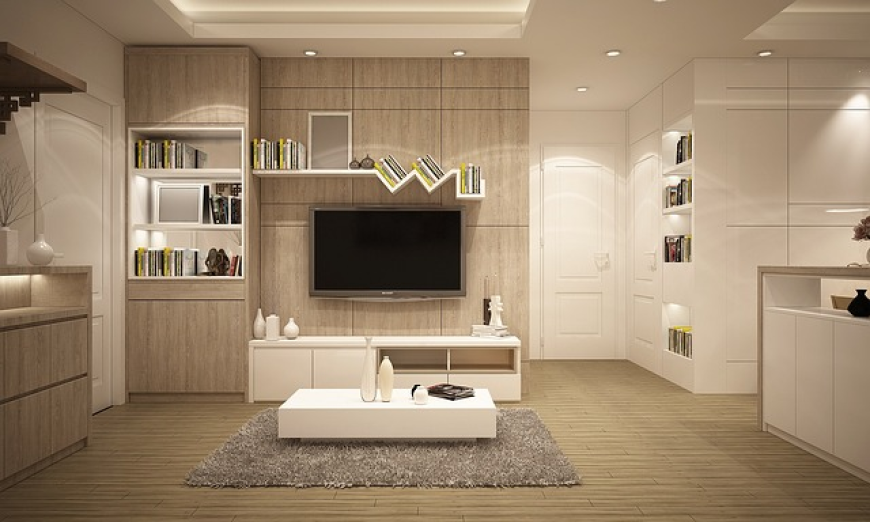
Minimalism: Prioritize simple lines, few elements, and neutral tones. Photos with discreet frames and pastel colors are perfect.
Modern: Vibrant colors and geometric shapes are part of this style. Opt for abstract paintings to complement it.
Rustic: Materials such as wood and natural fabrics dominate. Photos with antique wooden frames work well.
Classic: Elegant environment and sophisticated decor. Gold or silver frames in artistic frames are excellent options.
A clearly defined style helps create harmony and avoid excessive ornamentation.
2. Select a Color Palette:
A light color palette is essential for maintaining the visual balance of a room. First, choose a dominant color and then choose two or three complementary colors. This will help guide the selection of furniture, accessories, and paintings.
If you prefer a monochromatic look, use variations of the same color, combined with textures and finishes to give depth to the room. For example:
Living Room: Combine earthy tones with paintings of natural landscapes.
Bedroom: Soft tones combined with abstract paintings or black and white photos.
Office: Blue and gray convey professionalism. Add a minimalist frame to enhance the decor.
3. Pay Attention to Lighting:
Lighting is a key element to highlight paintings and create a welcoming atmosphere. Some tips include:
Use directional lighting to highlight the composition of a larger painting or gallery wall.
Choose warm lighting to create a welcoming atmosphere in your living room and bedroom.
Avoid reflections on glass frames by strategically placing lights. The right lighting can enhance the details of the frame and artwork, making the room more elegant.
4. Prioritize Comfort:
The decor should be beautiful, but never compromise comfort. Choose furniture that is comfortable and matches the wall decor. Framed objects should complement a space, enhancing the welcoming feeling.
A classic example is a large painting with a relaxing landscape in the living room, which can create a tranquil atmosphere. In the bedroom, frame images or objects that convey tranquility and comfort, such as photos of the beach or flowery fields, photos from a trip with your spouse or children.
5. Choose the Right Furniture:
The furniture should match the decorative elements, even when the framing carries its history. For example, a modern sofa goes well with a minimalist painting or a sequence of current photos. Rustic furniture can be combined with works of art or objects from collections framed in natural wood.
It's always good to measure the space to avoid disproportionate furniture or paintings. Furthermore, prioritize functionality when choosing pieces that meet your daily needs.
6. Check the Environmental Circulation Situation:
When planning the layout of furniture along with paintings, it is important to ensure that the space has good flow. Free space facilitates movement and avoids crowding.
Tips for maintaining harmonious circulation of paintings and furniture in hallways:
Don't fill your walls with too many photos if the space for paintings is small.
Use smaller compositions in hallways or narrow spaces.
Leave at least 80 cm of free space for circulation in the hallway area.
7. Emotional Decor: A Timeless and Personal Template:
Pictures are a fundamental part of decorating any room. They help fill empty walls, add color and personality to a space, and can even tell a story. Here are some suggestions for using frames creatively, with an emphasis on emotional decoration:
Gallery Wall: Create a composition of framed pictures with various photos from trips you've taken or artwork you've received from friends. It's perfect for the living room or bedroom. Click here for Wall art to decorate your Home
Standalone Painting: Use a giant print as a focal point in your living room or office.
Thematic Composition: Grouping paintings with similar themes, props that tell your story, is a good way to create a journey. For example, for a soccer player: all their jerseys worn in big games; for a journalist, their main articles.