What Drugs Are Considered Opioids?
At Mercy Recovery Center, we provide compassionate, physician-led outpatient addiction treatment designed to support lasting recovery while allowing patients to continue their daily responsibilities.
 mercyrecoverycenter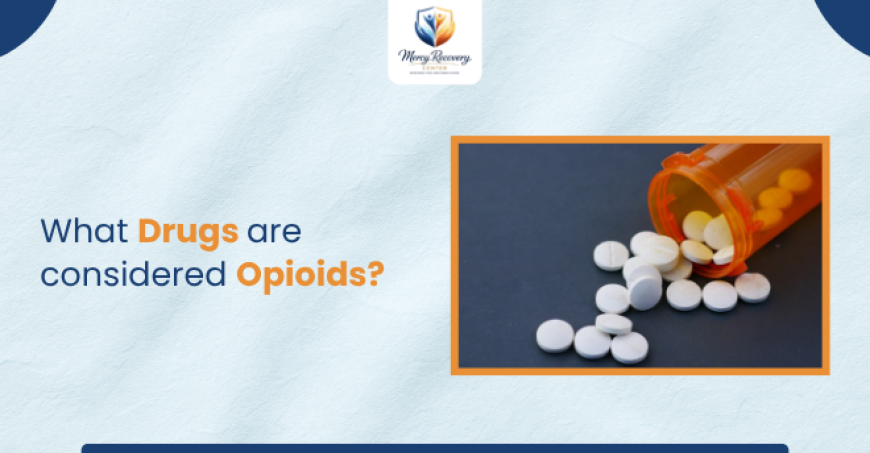
Understanding Opioids and Their Impact on Health
Opioids are a class of drugs commonly prescribed to manage moderate to severe pain. While these medications can be highly effective when used under medical supervision, they also carry a significant risk of dependence, addiction, and overdose. Understanding what are opioids, which medications belong to this category, and how they affect the body is essential for individuals seeking safe pain management and addiction recovery support.
At Mercy Recovery Center, we are committed to educating individuals and families about substance use disorders and providing comprehensive treatment solutions for those struggling with opioid addiction.
What Are Opioids?
Opioids are substances that interact with opioid receptors in the brain, spinal cord, and other parts of the body to reduce pain signals. These drugs can be either prescription medications or illegal substances. While they are often prescribed for pain relief after surgery, injury, or chronic medical conditions, prolonged use can lead to tolerance, physical dependence, and addiction.
The opioid crisis has become a major public health concern in the United States, making it increasingly important to recognize the risks associated with these substances and seek professional help when needed.
Common Drugs That Are Considered Opioids
Many people are surprised to learn how many medications fall into the opioid category. Below are some of the most common drugs that are considered opioids:
1. Oxycodone
Oxycodone is a powerful prescription pain reliever commonly found in medications such as OxyContin and Percocet. It is frequently prescribed for moderate to severe pain but has a high potential for misuse and addiction.
2. Hydrocodone
Hydrocodone is another commonly prescribed opioid often combined with acetaminophen in medications such as Vicodin. It is widely used for pain management but can lead to dependency when misused.
3. Morphine
Morphine is one of the oldest and most effective opioid pain medications. It is typically used in hospitals to manage severe pain and is considered a benchmark for measuring opioid potency.
4. Codeine
Codeine is a milder opioid often found in prescription cough syrups and pain medications. Although less potent than some other opioids, it still carries risks of dependence and misuse.
5. Fentanyl
Fentanyl is an extremely powerful synthetic opioid that is significantly stronger than morphine. It is used medically for severe pain but has become a leading contributor to overdose deaths due to illicit manufacturing and misuse.
6. Methadone
Methadone is an opioid medication used both for pain management and as part of medication-assisted treatment (MAT) programs for opioid use disorder.
7. Tramadol
Tramadol is a synthetic opioid commonly prescribed for moderate pain. While often perceived as safer than stronger opioids, it can still cause dependence and addiction.
8. Heroin
Heroin is an illegal opioid derived from morphine. It is highly addictive and associated with significant health risks, including overdose and infectious diseases.
How Opioids Affect the Brain and Body
Opioids work by attaching to specific receptors in the brain that regulate pain and emotions. This interaction produces feelings of pain relief and, in some cases, euphoria. Over time, the brain may become dependent on opioids to function normally.
Common effects of opioid use include:
- Pain relief
- Relaxation
- Drowsiness
- Slowed breathing
- Euphoria
- Constipation
- Nausea
Long-term opioid use can lead to tolerance, requiring higher doses to achieve the same effects. This increases the risk of addiction and overdose.
Signs of Opioid Addiction
Recognizing opioid addiction early can significantly improve recovery outcomes. Common signs include:
- Cravings for opioids
- Using more medication than prescribed
- Doctor shopping for prescriptions
- Withdrawal symptoms when not using opioids
- Neglecting responsibilities at work, school, or home
- Continued use despite negative consequences
If you or a loved one exhibits these symptoms, seeking professional treatment is crucial.
Treatment for Opioid Addiction
Effective recovery requires a personalized treatment approach that addresses both the physical and psychological aspects of addiction. At Mercy Recovery Center, we offer evidence-based programs designed to help individuals achieve lasting recovery.
Our services include:
Medication-Assisted Treatment (MAT)
MAT combines FDA-approved medications with counseling and behavioral therapies to reduce cravings and withdrawal symptoms.
Individual Counseling
One-on-one therapy helps patients identify underlying causes of substance use and develop healthier coping mechanisms.
Group Therapy
Group sessions provide peer support and shared experiences that foster accountability and healing.
Telehealth Addiction Treatment in Elizabeth NJ
For individuals seeking flexible care options, our Telehealth Addiction Treatment in Elizabeth NJ services allow patients to receive professional support from the comfort and privacy of their homes.
Comprehensive Addiction Care in Elizabeth, New Jersey
Individuals seeking addiction treatment in Elizabeth NJ can benefit from specialized programs tailored to their unique recovery needs. Our team provides compassionate Treatment for Substance Use Disorders in Elizabeth NJ, helping patients overcome addiction while rebuilding healthy, productive lives.
Patients receive care under the guidance of experienced medical professionals, including Board-Certified Addiction Medicine Physician Elizabeth NJ specialists who understand the complexities of opioid dependency and recovery.
Our clinical leadership includes Vaibhav Vyas MD Psychiatry and Addiction Psychiatry, whose expertise supports comprehensive mental health and addiction treatment strategies.
The Importance of Trauma-Informed Recovery
Many individuals struggling with opioid addiction have experienced unresolved trauma. Addressing these underlying issues is often critical for long-term recovery success.
As a leading trauma recovery center NJ, Mercy Recovery Center integrates trauma-informed care into treatment plans, helping patients heal emotionally while overcoming substance use disorders.
Our approach reflects the principles embraced by every quality resilience recovery center , empowering individuals to develop the strength and coping skills necessary for lifelong recovery.
Why Choose Mercy Recovery Center?
Choosing the right NJ recovery center can make a significant difference in the recovery journey. At Mercy Recovery Center, we provide:
- Personalized treatment plans
- Compassionate medical and clinical care
- Medication-assisted treatment options
- Mental health support
- Trauma-informed therapy
- Telehealth services
- Long-term recovery planning
Our mission is to help individuals and families find hope, healing, and sustainable recovery from opioid addiction and other substance use disorders.
Final Thoughts
Understanding what drugs are considered opioids is an important step in recognizing the risks associated with these substances. From prescription medications like oxycodone and hydrocodone to illegal drugs such as heroin, opioids can significantly impact physical and mental health when misused.
If you or a loved one is struggling with opioid addiction, professional help is available. Mercy Recovery Center provides expert, compassionate care through evidence-based treatment programs designed to support lasting recovery and improved quality of life.