Best Algae-Eating Fish for Small Backyard Ponds
 Robert Micheal
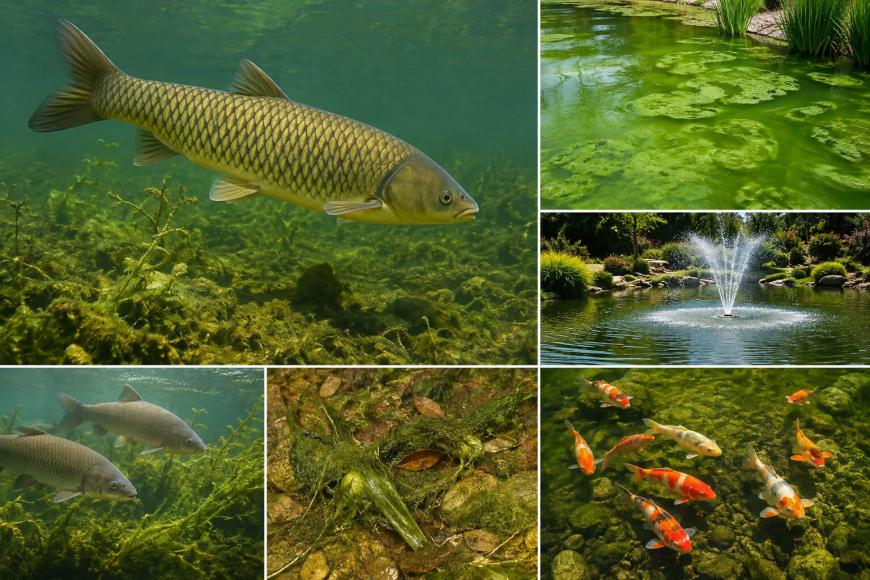
Small backyard ponds can develop algae quickly, especially when they receive plenty of sunlight or contain excess nutrients. Choosing suitable fish can provide a natural way to manage some algae while keeping the pond lively and attractive. Algae-Eating Fishes for your Pond can help reduce certain types of algae, but the best choice depends on pond size, water temperature, fish behaviour, and the amount of available space.
Why Choose Algae-Eating Fish for a Small Pond?
Algae-eating fish can graze on algae growing along pond walls, rocks, plants, and other surfaces. In a small pond, however, it is especially important to avoid overcrowding.
Too many fish produce more waste, which can increase nutrient levels and actually encourage algae growth. The goal should be a balanced fish population rather than adding as many algae-eating fish as possible.
Best Algae-Eating Fish for Small Backyard Ponds
1. Goldfish
Goldfish are one of the more practical choices for many small ornamental ponds. They may eat small amounts of algae while naturally searching for food.
They are also adaptable and can add colour and movement to a backyard water feature. However, goldfish still produce waste, so the pond should not be overstocked.
2. Siamese Algae Eaters
Siamese algae eaters are small freshwater fish known for consuming several types of algae. Their smaller size can make them more suitable than large species for appropriately sized water features.
They are generally more common in aquariums, so outdoor pond owners should check temperature requirements and compatibility before introducing them.
3. Weather Loaches
Weather loaches are bottom-dwelling fish that can consume small organisms and organic material while exploring the pond floor. They are not dedicated algae eaters, but they can contribute to a more active pond ecosystem.
They require enough space and suitable water conditions, so they are better suited to ponds that provide adequate depth and hiding areas.
4. Rosy Barbs
Rosy barbs may consume algae along with plant material and other foods. Their active nature can make them an interesting addition to suitable outdoor ponds.
Because they are schooling fish, they may require more space than a very small decorative water feature can provide.
5. Bristlenose Plecos
Bristlenose plecos are well known for grazing on algae-covered surfaces. Their sucker-shaped mouths allow them to scrape algae from rocks and other hard areas.
They need suitable water temperatures and should only be kept outdoors where the climate supports them. They can also require additional food when natural algae is limited.
Which Fish Are Best for Very Small Ponds?
For a very small pond, size and stocking requirements matter more than the fish's reputation as an algae eater.
Goldfish may be suitable for some ornamental ponds, while smaller algae-eating species can work when water conditions are appropriate. Large species such as grass carp are generally unsuitable for small backyard ponds because they can grow considerably and require much more space.
Always research the adult size of a fish before adding it to your pond.
What Types of Algae Can These Fish Eat?
Different fish have different feeding habits. Some graze on soft algae growing on surfaces, while others consume small amounts of filamentous algae or aquatic vegetation.
Common types they may consume include:
-
Soft green algae
-
Surface algae
-
Some filamentous algae
-
Algae growing on rocks
-
Algae growing on pond walls
-
Certain aquatic plant material
Fish will not necessarily eat every type of algae in your pond.
How to Keep Algae Under Control in a Small Pond
Fish are only one part of effective algae management. Small ponds benefit from simple maintenance habits.
Control Excess Nutrients
Fallen leaves, dead plants, and uneaten fish food can break down and release nutrients into the water. Remove organic debris regularly and avoid overfeeding fish.
Add Suitable Pond Plants
Aquatic plants can compete with algae for nutrients. Floating plants can also provide shade and reduce the amount of direct sunlight entering the water.
Do not overcrowd the pond with plants, as decaying plant material can contribute to nutrient problems.
Improve Water Circulation
A small pump, fountain, or aerator can improve water movement and oxygen levels. Better circulation can also prevent stagnant areas.
Avoid Overstocking
This is especially important in small ponds. More fish do not automatically mean less algae. An excessive fish population can create more waste and make water quality harder to manage.
Can Algae-Eating Fish Completely Remove Algae?
No. Fish can help reduce certain types of algae, but they are not a complete algae-control system.
If the pond has excessive nutrients, too much sunlight, poor circulation, or an overloaded fish population, algae can continue growing faster than fish can consume it.
For heavy algae growth, manually removing algae and addressing the underlying cause is often more effective than simply adding more fish.
Things to Consider Before Adding Fish
Before choosing an algae-eating fish for your backyard pond, consider:
-
Adult fish size
-
Pond volume and depth
-
Water temperature
-
Climate and seasonal changes
-
Existing fish
-
Available hiding places
-
Feeding requirements
-
Local regulations
-
Expected fish population
A fish that works well in a large garden pond may not be appropriate for a small water feature.
Final Thoughts
The best algae-eating fish for a small backyard pond are species that match the pond's size, climate, and existing ecosystem. Goldfish, Siamese algae eaters, bristlenose plecos, and other suitable species can contribute to natural algae management when kept in appropriate conditions.
However, fish should not be expected to solve an algae problem on their own. Combine responsible stocking with good circulation, regular debris removal, aquatic plants, and careful feeding. This balanced approach can help your small backyard pond stay healthier and cleaner throughout the season.