5 Chatbots That Can Actually Sell: I Tried Them So You Don’t Have To
Tired of bots that don’t convert? I tested 5 sales chatbots including PerfectCSR, Zendesk, Tidio, HubSpot and Chatbase. Read the results and pick the chatbot that will close more deals for your business today
 danielbray
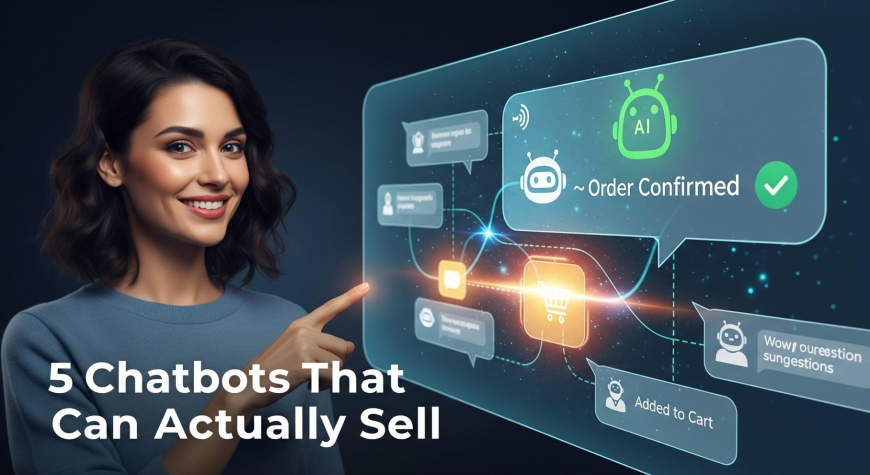
Ever spent money on a bot and then thought, “Wait… why isn’t this thing helping me sell more?” I have. As a business owner, I once bought into the hype. But the bot I got? It was robotic, bland and pretty useless when it came to actually helping visitors decide to buy. This made me curious: could there be sales chatbots that actually sell rather than just answer FAQs?
I decided to find out. Over two months, I tested five different chatbots. This includes PerfectCSR, Zendesk, Tidio, Hubspot and Chatbase. I used the same product, identical customer queries and similar upsell opportunities. My goal was simple: see which could turn an interested visitor into a paying customer.
The results? Some bots impressed me with their conversational flow and personalization. Others were great for service but weaker on proactive sales. One, however, stood out as a genuine conversational closer. So, keep reading to know which one actually sells.
Chatbot #1. PerfectCSR: The Conversational Closer
When it comes to sales chatbots, PerfectCSR immediately made a strong first impression. The setup process was surprisingly quick. I didn’t need coding skills. I simply connected my website, uploaded documents and even added videos. The system automatically processed my content, creating embeddings so the chatbot understood my products and services. An option for chatbot customization was also available. What really struck me was the conversation quality. PerfectCSR AI didn’t feel scripted. Instead, it referenced earlier parts of the conversation to offer tailored suggestions. When I tested objection handling, it responded with benefit driven replies that felt natural, not pushy.
Another standout feature was its multilingual capability. It handled customer inquiries in multiple languages without missing context. Whether it was a pre-sales question, a price objection or an upsell opportunity, its chatbot delivered consistent, on-brand responses. For online stores, the integration options with Shopify, WordPress and WooCommerce are a big plus. Add in its 24/7 AI support, real-time analytics and enterprise-grade encryption and you have a chatbot ready for serious sales work. I added this chatbot to my sales team and it feels like having an extra human rep on the floor.
Pricing: Offers a 14-day free trial, but the paid plans starting at $99/month feels more suited for mid-sized businesses with a budget to spare.
Scorecard
● Conversion Potential: 5/5
● Personalization: 5/5
● Ease of Setup: 4.5/5
Chatbot #2. Zendesk: The Corporate Pro
Zendesk’s Answer Bot is a well known player in customer service but it also has potential as a sales assistant. Its biggest strength lies in structured, consistent responses backed by a robust support ticketing system. For businesses with global audiences, Zendesk is impressive. It offers conversations in 17 languages which ensures you can reach customers worldwide. However, while its customer service capabilities are excellent, it’s less proactive when it comes to closing a sale. In my tests, it provided helpful information but didn’t always guide the customer toward completing a purchase.
On the plus side, Zendesk handles multiple channels including website chat, email and social messaging without missing inquiries. It also knows when to escalate complex issues to human agents, maintaining a smooth customer experience. If your priority is integrating sales and customer support into one platform, Zendesk can fit well. But if your main goal is aggressive lead conversion, you might find it lacks the extra push.
Pricing: At $25 per agent/month (billed monthly), it’s definitely an investment, but it matches the premium features and reputation they offer. A free trial option is also available.
Scorecard
● Support Integration: 5/5
● Upselling: 3.5/5
● Ease of Setup: 4/5
Chatbot #3. Tidio: The Quick Starter
Tidio is one of the most user-friendly sales chatbots I tested. Its drag-and-drop builder and over 35 ready-made templates make launching a chatbot in under five minutes a reality. Additionally, the hybrid approach of combining live chat and AI chatbot functions is particularly useful for small businesses. In my trial, Tidio captured leads effectively, but selling required more manual flow design. Out of the box, it’s more reactive than proactive in guiding customers to checkout.
Furthermore, it allows deep customization to match your brand aesthetic which helps maintain consistency across communication channels. For beginners, it’s a low-barrier entry into AI-assisted sales. However, to truly maximize its sales potential, you’ll need to invest time in tailoring scripts, triggers and follow-up sequences. Still, for small e-commerce brands, it’s a budget-friendly way to get started with multilingual sales support.
Pricing: With pricing starting at $29/month, it’s a budget friendly option while still offering useful chatbot tools.
Scorecard
● Usability: 5/5
● Closing Skills: 3.5/5
● Integration: 4.5/5
Chatbot #4. HubSpot: The CRM Native
HubSpot might not be the first name that comes to mind when thinking about sales chatbots, but its chatbot builder is a natural fit for existing HubSpot CRM users. Integrated directly into your CRM, it can qualify leads, book meetings, create tickets and help customers self-serve. This makes it great for streamlining workflows. In my test, it quickly gathered lead data and scheduled follow-up calls. However, its advanced features are locked behind higher-tier plans, making it less accessible to smaller businesses.
Furthermore, its strength lies in combining marketing, sales and service data into one ecosystem. But if you’re not already using HubSpot, the cost and learning curve may outweigh the benefits. Still, for mid-sized to enterprise-level businesses already in the HubSpot environment, it can be a solid sales assistant.
Pricing: Their plan starts at $100/month per seat which can get expensive fast.
Scorecard
● CRM Integration: 5/5
● Conversion Potential: 4/5
Chatbot #5. Chatbase: The Custom Builder
Chatbase is a flexible, data-driven option among sales chatbots. It not only responds to queries but also learns from them, providing insights into customer behavior. This can help you refine both your chatbot’s performance and your sales approach. Its biggest strength is customization. You can adjust tone, style and conversation paths to match your brand perfectly. In my test, Chatbase performed well in upselling and cross-selling scenarios. For example, when a customer inquired about a ring light, it suggested related accessories.
It also offers multi-channel support, integrating with websites, social media and messaging apps. However, it’s not plug-and-play. Thus, to get the most out of Chatbase, you’ll need time to train and configure it. For businesses with technical resources and a need for tailored AI behavior, Chatbase is a strong contender. For those wanting instant setup and quick results, it may feel complex.
Pricing: The fact that they have a free plan is great for testing, and their $40/month starting price seems fair for small to mid-sized users.
Scorecard
● Customization: 5/5
● Instant Sales Impact: 3.5/5
● Analytics: 4.5/5
The Showdown: Side-by-Side Comparison
|
Chatbot |
Conversion Potential |
Personalization |
Ease of Setup |
Best For |
|
PerfectCSR.ai |
Consistently converts leads into sales |
Adapts tone and responses to each visitor |
Quick setup without coding |
Instant sales-ready AI |
|
Zendesk |
Strong for service-led sales |
Maintains professional, brand-safe tone |
Simple but requires configuration |
Support-focused sales |
|
Tidio |
Captures leads effectively |
Basic personalization features |
Extremely beginner-friendly |
Small businesses |
|
HubSpot |
Works well for CRM-linked sales |
Uses CRM data for tailored replies |
Easy if already using HubSpot |
CRM-driven sales |
|
Chatbase |
Powerful when trained well |
Highly adjustable style and flow |
Requires technical setup |
Custom AI solutions |
Final Thoughts: Which One Can Actually Sell?
All five sales chatbots I tested bring value in different ways. Some excel at integrating with existing support systems. Others shine in customization or CRM connectivity. However, only one consistently felt like it could close deals without human intervention: PerfectCSR. It combined natural conversation flow, multilingual support, personalization and easy setup into a single package.
If your goal is to convert leads quickly, PerfectCSR offers the tools, security and flexibility you need. It’s ready to help you engage customers, answer questions and guide them to purchase, all while keeping your brand voice intact. If you’re looking for a chatbot that doesn’t just chat but actually sells, start with the one that surprised me most.
FAQs
1. What is a sales chatbot?
A sales chatbot is an AI-powered tool designed to engage customers, answer questions and guide them toward making a purchase.
2. Can sales chatbots work in multiple languages?
Yes, advanced chatbots like PerfectCSR can handle multilingual conversations for global audiences.
3. Do I need coding skills to set up a sales chatbot?
Not necessarily. Platforms like PerfectCSR and Tidio allow no-code setup.
4. How do sales chatbots improve conversions?
They provide instant, relevant responses, overcome objections and suggest upsells, leading to faster purchasing decisions.
5. Can I integrate a sales chatbot with my e-commerce store?
Most modern chatbots integrate with platforms like Shopify, WooCommerce and WordPress.