Your Complete Guide to Restoring Your Perfect Smile with Dental Implants
 ryandigital
Missing teeth significantly impact your overall oral health, eating habits, and your confidence. If you're considering tooth replacement, dental implants are one of the most common and preferred options in restorative dentistry. They offer a permanent, natural-looking solution that can improve your quality of life.
What are Dental Implants?
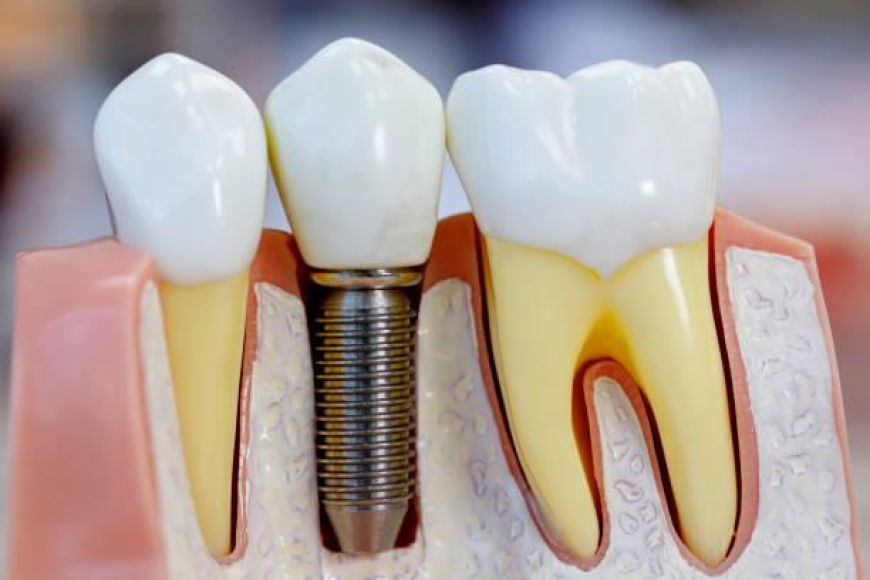
Dental implants are basically titanium posts that are surgically placed in your jawbone as a replacement for the roots of missing teeth. They are artificial tooth roots intended to provide a foundation for a crown to be placed on top. Unlike dentures or bridges, dental implants fuse with your bone through a process called osseointegration. They create a stable base that feels and functions just like your natural teeth.
The implant consists of three main components, namely, the titanium implant that goes into your jawbone, an abutment structure that connects the implant to the crown, and then the crown itself, which is the visible part that looks exactly like your natural teeth's color.
Why Choose Dental Implants Over Other Treatments?
When you want to replace missing teeth, you have many options, but dental implants are considered one of the best. It is because of the advantages they offer that they are considered the gold standard in tooth replacement treatments:
Durability and Longevity: With proper care, dental implants can last a lifetime. Unlike bridges that may need replacement every 10-15 years, implants are meant to be a permanent solution.
Jawbone Preservation: When you lose teeth, your jawbone in that area starts deteriorating due to the lack of stimulation your natural tooth provides. Dental implants stimulate the bone like a tooth’s roots, which prevents bone loss and maintains your facial structure.
Natural Function: Implants provide the same biting force as your natural teeth, giving you the freedom to enjoy all your favorite foods without any problem. They do not restrict your speech or natural mouth movement either.
No Impact on Adjacent Teeth: Unlike dental bridges, which require grinding down healthy adjacent teeth for support, implants don't affect your other teeth.
The Dental Implant Process: What to Expect
Getting dental implants is a long process and takes several appointments and months to complete, but the results are worth the wait. Here is what the entire process looks like:
Initial Consultation: Your dentist will examine your overall oral health, may take X-rays, and determine if you're a good candidate for implants or not. Factors like bone density, gum health, and overall medical condition are taken into consideration.
Surgical Placement: A minor surgery is performed where the titanium implant is placed into the jawbone. This is usually done under local anesthesia, and you would only feel minimal discomfort.
Healing Period: The osseointegration process takes about 3-6 months. During this time, the implant fuses with your bone, creating a strong foundation for your new tooth.
Abutment and Crown Placement: Once healing is complete, an abutment is then attached to the post of your implant, and a custom-made crown is placed on top, completing your new tooth.
Who is a Good Candidate?
Most people who are missing one or more teeth are candidates for dental implants. However, you'll need adequate bone density to support the implant and healthy gums free from any periodontal disease. If you have gum disease, it's crucial to seek treatment from a qualified periodontist. If you are a Northfield resident, you can trust and consult a periodontist northfield before proceeding with implant placement.
Caring for Your Dental Implants
Regular brushing, flossing, and dental checkups are needed to keep your implants healthy, which is just like taking care of your natural teeth. You should also maintain excellent oral hygiene to prevent peri-implantitis, a type of infection that can occur around implants, similar to gum disease; it can eat away at the jawbone structure and cause inflammation.
Investing in Your Future
Dental implants may require a higher investment upfront compared to other tooth replacement options, but they're cost-effective in the long run. When you factor in their longevity and the prevention of additional dental problems, implants often prove to be the most economical choice over time.
Don't let missing teeth hold you back from living your best life. Dental implants can restore your confidence, smile, and ability to enjoy all the foods you love. Schedule a consultation today to learn if you're a candidate for this life-changing treatment.