Wire Bonding Experts: Precision Solutions for Electronics Manufacturing
 hybridtekllc
Electronics today are small, fast, and complex. Inside every device, many tiny connections keep the system working. One small failure can stop the whole product. That is why precision matters in electronics manufacturing.
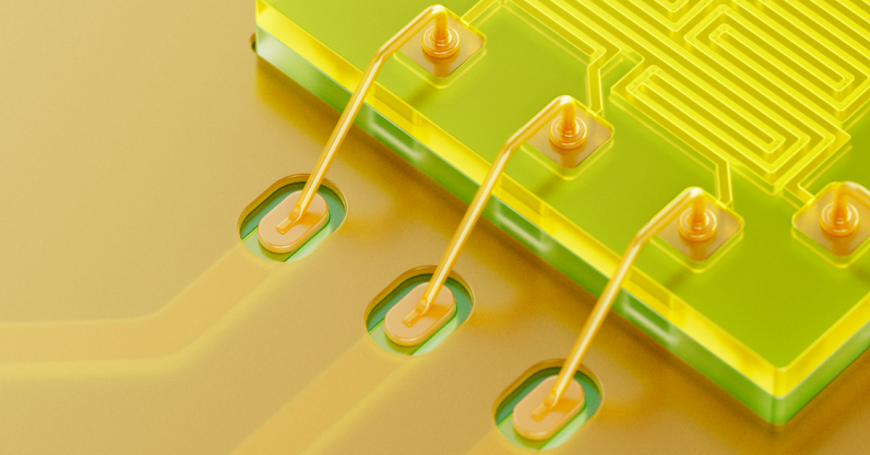
Wire bonding is one of the most important steps in assembling electronic components. It connects semiconductor chips to other parts using very fine wires. These wires carry electrical signals and power between components.
This process needs accuracy and careful control. Even a small mistake can damage a chip or weaken the connection. That is why skilled professionals and reliable equipment are essential.
Why Wire Bonding Matters in Electronics
Modern electronics rely on strong and stable connections. Devices like smartphones, medical equipment, and automotive systems all depend on tiny internal connections.
Wire bonding creates these connections. It joins the chip to the package using thin metal wires, usually gold, copper, or aluminum. The process must be precise. If the bond is weak, the device may fail over time.
Manufacturers need reliable bonding to maintain product quality. Good bonding improves durability and helps electronics perform consistently.
The Role of Skilled Professionals
The bonding process requires technical skill. Operators must understand materials, machine settings, and chip design. They also need to monitor the bonding process carefully.
This is where wire bonding experts play an important role. Their knowledge helps ensure that every bond is placed correctly and securely.
Experienced professionals can also identify problems early. They check bond strength, placement accuracy, and overall reliability. This helps reduce defects and production delays.
Key Factors That Affect Bond Quality
· Several factors influence the strength and reliability of a wire bond.
· Material choice is one of them. Gold, copper, and aluminum wires each behave differently during bonding.
· Temperature and pressure also matter. Machines must apply the right amount of heat and force. Too much can damage the chip. Too little can weaken the bond.
· Clean surfaces are another key factor. Dust or contamination can prevent proper bonding.
· Regular equipment calibration and inspection help maintain consistent results.
Benefits of Precision Bonding
· Accurate bonding improves the overall performance of electronic devices.
· It supports better electrical conductivity. It also helps prevent signal loss and overheating.
· Reliable bonds increase product lifespan. Devices are less likely to fail under stress or heavy use.
· For manufacturers, this means fewer defects and better product quality.
Conclusion
Electronics manufacturing depends on reliable connections inside every device. Wire bonding is a small step, but it plays a major role in performance and durability. Skilled professionals, proper materials, and precise processes all work together to produce strong and stable bonds. Companies that rely on experienced service providers such as Hybrid-Tek can maintain the level of accuracy needed for modern electronics production.