Why Sporting Clubs Are Essential for Student Growth and Wellbeing
 firbankgrammar
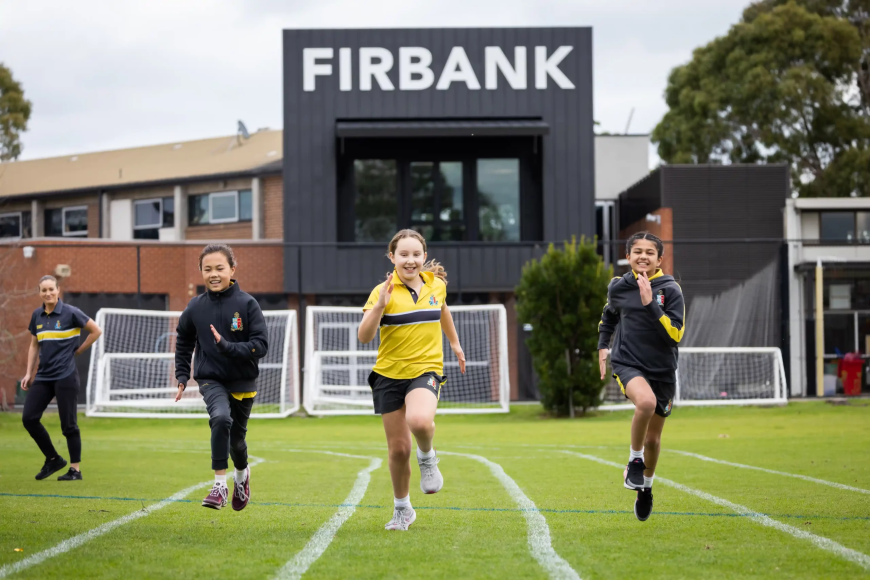
Education is often measured through academic achievement, yet some of the most valuable lessons students learn occur outside the classroom. Participation in sport teaches young people how to work with others, overcome challenges, manage responsibilities, and develop healthy habits that can last a lifetime. For this reason, educators increasingly recognise the importance of a sporting club as a meaningful contributor to student development.
Sport provides opportunities for students to strengthen their physical health while building confidence, leadership skills, resilience, and social connections. Whether through team competitions, recreational activities, or structured swimming programs, sporting participation supports holistic development and complements traditional learning experiences.
The Educational Value of a Sporting Club
A sporting club offers much more than physical activity. It creates an environment where students learn through participation, practice, and shared experiences.
Through regular involvement in sport, students can develop:
- Teamwork and collaboration
- Communication skills
- Goal-setting abilities
- Self-discipline
- Leadership qualities
- Resilience and perseverance
Sport naturally encourages students to work towards objectives, handle both success and disappointment, and continue improving through effort and commitment.
These experiences help young people develop personal qualities that are equally valuable in academic settings, future careers, and everyday life.
Sport and Academic Performance
The relationship between physical activity and learning has been widely explored by educational researchers.
Studies suggest that regular exercise can positively influence:
- Concentration and focus
- Memory retention
- Problem-solving skills
- Emotional regulation
- Classroom engagement
Physical activity increases blood circulation and supports overall wellbeing, both of which contribute to effective learning.
Students involved in sporting activities often learn how to balance commitments, manage time efficiently, and maintain discipline—skills that frequently transfer to academic responsibilities.
As a result, many educators view sport as an important component of a well-rounded educational experience.
Why Swimming Remains One of the Most Important Sports
Swimming holds a unique place within youth sport because it combines physical development with an essential life skill.
Australia's strong connection to water highlights the importance of swimming education from an early age. As a result, swimming lessons Melbourne families seek often focus on both skill development and water safety.
Swimming can help children develop:
- Water confidence
- Physical fitness
- Strength and endurance
- Coordination and balance
- Safety awareness
Unlike many sports, swimming can also be enjoyed throughout life, making it a valuable lifelong activity.
Developing swimming skills during childhood not only improves physical health but also helps children feel safer and more confident in aquatic environments.
The Importance of Schools With Sports Programs
Many families today actively look for schools with sports because they recognise that education should support more than academic achievement.
Sporting opportunities help students develop skills that are difficult to teach through traditional classroom instruction alone.
These include:
- Leadership
- Responsibility
- Cooperation
- Determination
- Adaptability
- Sportsmanship
Schools that integrate sport into broader educational programs provide students with opportunities to grow intellectually, socially, emotionally, and physically.
This balanced approach reflects the growing understanding that student success is influenced by multiple aspects of development.
Building Leadership Through Sport
Leadership development is one of the most significant educational benefits of sporting participation.
Whether serving as a team captain or supporting teammates through positive actions, students regularly encounter situations that require leadership skills.
Sport teaches young people how to:
- Communicate effectively
- Make decisions under pressure
- Encourage others
- Demonstrate accountability
- Resolve challenges constructively
These experiences help students understand leadership as a responsibility rather than simply a position.
Leadership skills developed through sport often extend into academic, community, and professional environments later in life.
Sport and Student Wellbeing
Student wellbeing has become a major focus within modern education.
Physical activity is increasingly recognised as an important contributor to mental, emotional, and social health.
Participation in a sporting club can support wellbeing by:
- Reducing stress
- Improving self-confidence
- Encouraging social connection
- Promoting positive routines
- Supporting emotional resilience
Sport provides opportunities for students to experience achievement, develop friendships, and feel connected to a community.
These factors contribute to a stronger sense of belonging and overall wellbeing.
Research consistently shows that students who feel connected and supported are more likely to engage positively with learning and school life.
Encouraging Lifelong Healthy Habits
One of the long-term goals of youth sport is encouraging ongoing participation in physical activity.
Students who enjoy positive sporting experiences are often more likely to remain active as adults.
Regular physical activity can contribute to:
- Better physical health
- Improved mental wellbeing
- Stronger social relationships
- Greater overall quality of life
By introducing students to supportive sporting environments, schools and clubs help establish habits that may benefit them throughout their lives.
This focus on lifelong wellbeing makes sport an important educational investment rather than simply a recreational activity.
Conclusion
A sporting club plays a vital role in supporting student growth, wellbeing, and lifelong learning. Through teamwork, leadership, resilience, and healthy physical activity, sport helps young people develop skills that extend far beyond competition.
Whether through structured programs, team participation, or swimming lessons Melbourne families value for safety and confidence, sport contributes meaningfully to holistic education. As demand for schools with sports continues to grow, sporting programs remain an essential part of preparing students for success both inside and outside the classroom.