What businesses look for in a heavy commercial vehicle
 amayguru11
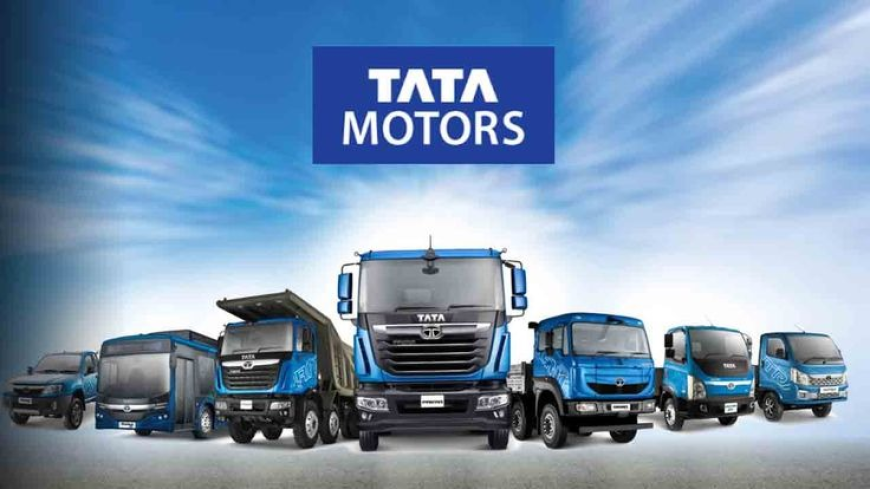
A heavy commercial vehicle is a long-term business asset, which is why companies carefully evaluate how it will perform in real-world conditions. Reliability, capability, and suitability for the intended application are often key factors in the decision.
In South Africa, commercial vehicles travel on highways, regional roads, industrial areas, and worksite routes. Since these environments are so different, businesses look at several factors before buying a truck.
Reliability for daily operations
Reliability is the top priority for most fleet operators. When a truck is off the road too often, it can cause delivery delays, increase costs, and interrupt business. In many industries, transportation is a routine part of daily work. Vehicles that can manage regular workloads and remain dependable over time are often highly valued by fleet operators.
Performance and load-carrying capability
The kind of work a truck will do often affects which one a business chooses. Some companies need trucks for general cargo, while others need vehicles that can handle tougher conditions.
The LPT 1216 is an example of a vehicle used in commercial transport applications. It is powered by a 5.7-litre turbocharged diesel engine producing 118 kW at 2,400 rpm and 550 Nm of torque between 1,400 and 1,700 rpm. The vehicle is paired with a GBS 40 synchromesh gearbox and is designed to support a variety of transportation requirements.
For operators covering regional and long-distance routes, engine performance and torque can play an important role in maintaining efficiency while carrying commercial loads.
Suitability for different applications
Not every business operates under the same conditions. Some trucks spend most of their time on highways, while others work on construction projects, mining operations, or infrastructure sites.
This is where application-specific vehicles become important. The LPK 1518 is designed for more demanding operating environments and tipper applications. Tata Motors South Africa lists a 5.9-litre Cummins diesel engine producing 132 kW and 700 Nm of torque.
The vehicle also features a 9-speed Eaton gearbox and a bogie suspension system designed to support challenging operating conditions. Businesses that move materials often want vehicles that meet these needs and stay durable over time.
Driver comfort and ease of operation
Since commercial vehicles are on the road for long hours, driver comfort matters. Features like power steering, ergonomic cabins, and easy-to-reach controls help make the job more comfortable.
While comfort may not always be the first factor considered when selecting a vehicle, it can influence driver satisfaction and day-to-day usability, particularly on longer routes.
Conclusion
In the end, choosing a heavy commercial vehicle means finding the right match for the job. South African businesses work in many different settings, from busy transport routes to industrial and construction sites. Looking at things like performance, durability, and how well a truck fits their needs, fleet operators can pick up vehicles that will serve them well now and in the future.