What to Expect During Recovery After a Dental Crown Procedure?
 ryandigital
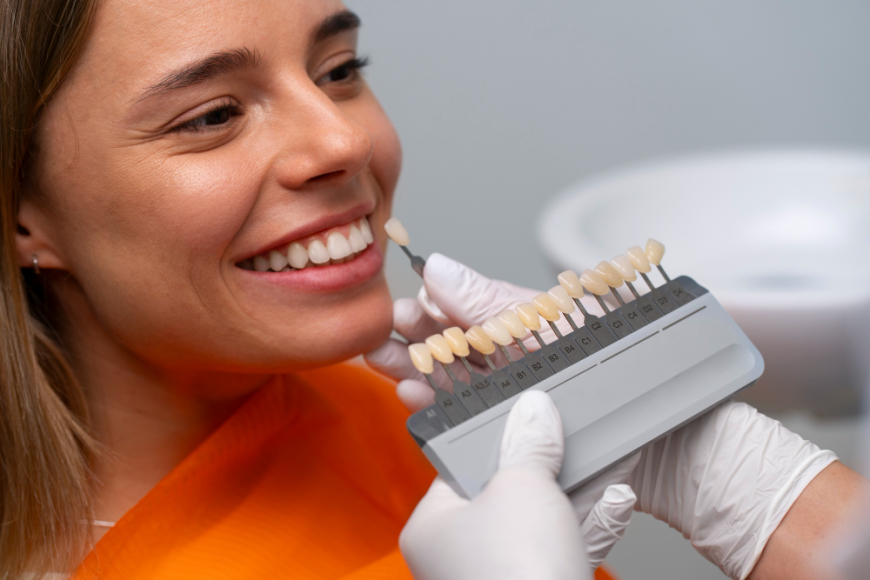
Summary: After receiving dental crowns, expect mild discomfort, sensitivity, and minor bite adjustments. Eat soft foods initially, maintain gentle oral hygiene, and watch for complications. Adjustment may take a few weeks, but proper care ensures long-lasting results. Consult a dentist in Hudson, WI, for any concerns or follow-up needs.
Recovering from a dental crown procedure can feel overwhelming, especially if it is your first time. However, knowing what to expect can help you feel more confident and prepared. Dental crowns help in restoring the shape, strength, and function of damaged teeth, but they require proper care during the healing process.
From managing sensitivity to adjusting to a new bite, understanding the recovery journey ensures a smoother experience and helps prevent complications. A trusted dentist in Hudson, WI, can guide you every step of the way.
Immediate Effects After Getting a Dental Crown
After your crown is placed, it is normal to experience mild discomfort, especially around the gum tissue. This can include:
-
Tender gums: Slight soreness around the crown area for a few days.
-
Tooth sensitivity: Sensitivity to hot, cold, or pressure is common, especially if your tooth was decayed or damaged before the procedure.
-
Minor bite adjustments: Some patients notice a slightly different bite until the crown settles.
Most of these effects subside within a few days. You can use over-the-counter pain relievers, but consult your dentist in Hudson, WI if pain persists.
Eating and Drinking After a Crown
What you eat immediately after a dental crown procedure can affect your recovery:
-
Soft foods first: Soft foods first: Stick to soft foods like mashed potatoes, yogurt, or soup for the first 24 hours.
-
Avoid sticky or hard foods:Items such as caramel, chewing gum, and hard candies may harm the crown.
-
Moderate temperature foods: Very hot or cold foods may increase sensitivity temporarily.
Oral Hygiene Tips During Recovery
Here is an oral dental hygiene routine that you can follow for quick recovery:
-
Gentle brushing: Brush twice daily, using a soft-bristled toothbrush around the crown area.
-
Floss carefully: Slide floss gently to avoid loosening the crown, especially during the first week.
-
Mouthwash: Use an antibacterial mouth rinse if recommended by your dentist to reduce the risk of infection.
Good oral care prevents complications like decay around the crown or gum irritation.
Possible Complications to Watch For
While complications are rare, it is essential to monitor your recovery:
-
Persistent pain or swelling: Could indicate an infection or improperly fitted crown.
-
Crown loosening or falling off: Contact your dentist immediately if this occurs.
-
Allergic reaction: Although rare, some patients may experience a reaction to the metal or ceramic used in the crown.
Adjusting to Your New Crown
It may take a few days to weeks to feel fully comfortable with your new dental crowns. Common adjustment experiences include:
-
Slight change in bite: Your bite may feel uneven until the crown settles.
-
Speech changes: Pronunciation may feel slightly different, especially for front teeth crowns.
-
Temperature sensitivity: Some mild sensitivity can linger for up to a few weeks.
Regular follow-up visits with your dentist in Hudson, WI ensure the crown fits correctly and functions well.
Long-Term Care for Dental Crowns
Once your recovery is complete, proper care can extend the life of your dental crown:
-
Regular brushing and flossing: Maintain excellent oral hygiene.
-
Avoid biting hard objects: Refrain from chewing on pens, ice, or any other hard items.
-
Routine dental checkups: Professional cleanings and exams help catch potential issues early.
With proper care, dental crowns can last 10 to 15 years or longer.
Conclusion
Recovering from dental crowns is generally straightforward when you follow proper care guidelines. Mild discomfort, sensitivity, and bite adjustments are normal and improve within days to weeks. By maintaining a good oral hygiene routine, avoiding sticky foods, and attending follow-up visits with your dentist in Hudson, WI, you can ensure your crown lasts for years and continues to restore both function and appearance. Awareness and care during recovery make the process smooth and stress-free.
FAQs
1. How long does recovery from a dental crown take?
Most patients feel comfortable within a few days, while full adjustment may take 1–2 weeks.
2. Can I eat normally after getting a crown?
Yes, but start with soft foods for 24–48 hours, then gradually return to your regular diet.
3. Will my tooth be sensitive after the crown?
Mild sensitivity is normal, especially to hot and cold foods. This usually resolves within a few weeks.
4. How do I clean my dental crown?
Brush twice daily with a soft toothbrush, floss gently, and use antibacterial mouthwash if recommended.
5. When should I contact my dentist?
Persistent pain, swelling, or a loose crown warrants a prompt consultation with your dentist in Hudson, WI.