What Roof Repairs Experts in Brookville, IN Watch For
 roywilson
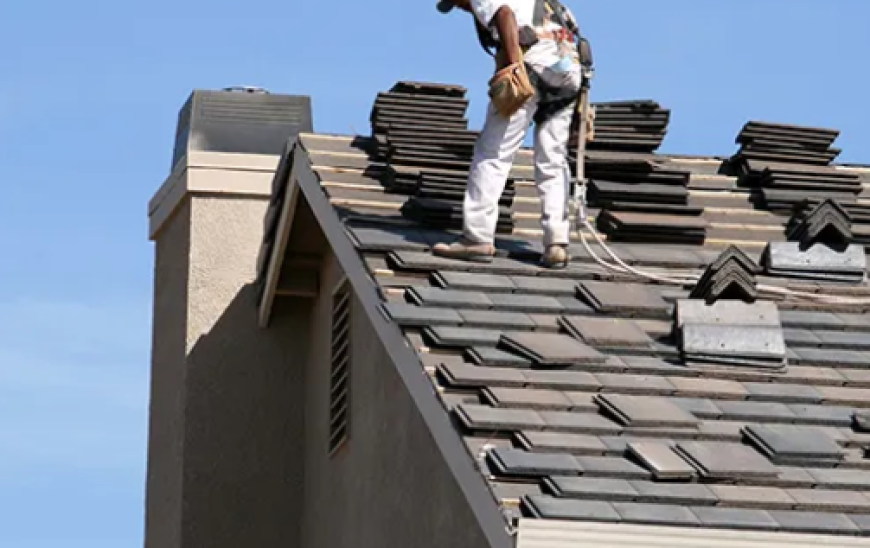
A missing shingle rarely looks like an emergency. But in a small Franklin County town, one loose piece of asphalt can turn into a soaked attic after a single storm. That is why roof repairs experts in Brookville, IN spend as much time inspecting for early warning signs as they do fixing visible damage.
Brookville sits in a part of southeastern Indiana that sees heavy summer storms, freeze-thaw cycles in winter, and gusty spring winds. Each of those conditions wears on a roof in a different way. Understanding what to look for helps you catch problems before they spread.
Why Local Weather Shapes Roof Damage
Roofs in this region age faster than many homeowners expect. The reason is the freeze-thaw cycle, which happens when water seeps into small cracks, freezes overnight, and expands. Over a few winters, those tiny gaps widen into leaks.
Summer brings a different threat. Hail and wind can lift or crack shingles, and the damage often stays hidden until you notice a water stain on the ceiling. By then, the moisture has usually reached the decking underneath.
This is why timing matters so much. A repair that costs a few hundred dollars in spring can become a full replacement by the following winter if it goes unchecked.
The Signs That Point to Real Trouble
Some problems are easy to see from the ground. Others hide until they become expensive. Here are the ones inspectors flag most often:
-
Curling or missing shingles, which expose the layer beneath to rain
-
Granules collecting in gutters, a sign that shingles are wearing out
-
Dark streaks or moss, which trap moisture against the surface
-
Sagging rooflines, often pointing to water damage in the decking
-
Water stains inside, usually the last warning before a major leak
If you spot one of these, it does not always mean the whole roof is failing. A single damaged section can often be repaired on its own. When several signs appear together, though, that usually calls for a closer look from a professional.
Repair, Maintain, or Replace?
Here is a simple way to think through your options. For isolated damage after a storm, a targeted repair usually solves it. If your roof is under 15 years old and generally sound, regular maintenance keeps it going. When shingles are failing across the whole surface, replacement often costs less over time than repeated patching.
Routine upkeep is the part homeowners skip most. A yearly inspection catches loose flashing, clears debris, and confirms that seals around vents and chimneys are still tight. This kind of steady attention is what a dependable Roof Maintenance Company in Connersville, IN builds its schedule around, since nearby towns share the same climate pressures.
A Real-World Example
Consider a common situation. A homeowner notices a faint brown ring on a bedroom ceiling. It fades, so they ignore it. Two months later, after a heavy rain, the stain spreads and the drywall begins to sag.
An inspection reveals the real cause: a cracked pipe boot, the rubber seal around a roof vent, that let water trickle in slowly. Caught early, that fix takes under an hour. Left alone, it damaged insulation, decking, and part of the ceiling.
Stories like this are why crews such as Crawley Roofing LLC and other area contractors stress early inspections over reactive fixes.
Choosing Someone You Can Trust
Reliable roofers share a few traits worth checking before you hire. Look for proper licensing and insurance, clear written estimates, and reviews that mention punctuality and clean communication. A contractor who explains the problem in plain terms usually earns more trust than one who rushes to quote a full replacement.
When in doubt, get a second opinion. A short inspection now can save you thousands later.
Frequently Asked Questions
How often should a roof be inspected in Indiana?
Once a year is a good baseline, ideally in spring after winter weather has passed. Add an extra check after any major hail or windstorm to catch fresh damage early.
How long does an average asphalt shingle roof last?
Most asphalt shingle roofs last 20 to 25 years. Local freeze-thaw cycles and storm exposure can shorten that, which is why regular upkeep matters.
Can a leaking roof be repaired without full replacement?
Often, yes. If the damage is limited to one area and the decking underneath is sound, a targeted repair usually works. Widespread wear is what typically calls for replacement.
What does a roof inspection usually check for?
Inspectors look at shingles, flashing, vents, gutters, and the decking beneath. They also check attic spaces for signs of moisture or poor ventilation.
Is roof damage covered by homeowners insurance?
Sudden damage from storms or hail is often covered, while wear from age usually is not. Review your policy and document any damage with photos before filing a claim.