Influencers Gone Wild: When Social Media Fame Spins Out of Control
In the age of TikTok, Instagram, and YouTube, influencers have become the new celebrities. They shape trends, sell lifestyles, and influence millions of followers with a single post.
 Budget_excel
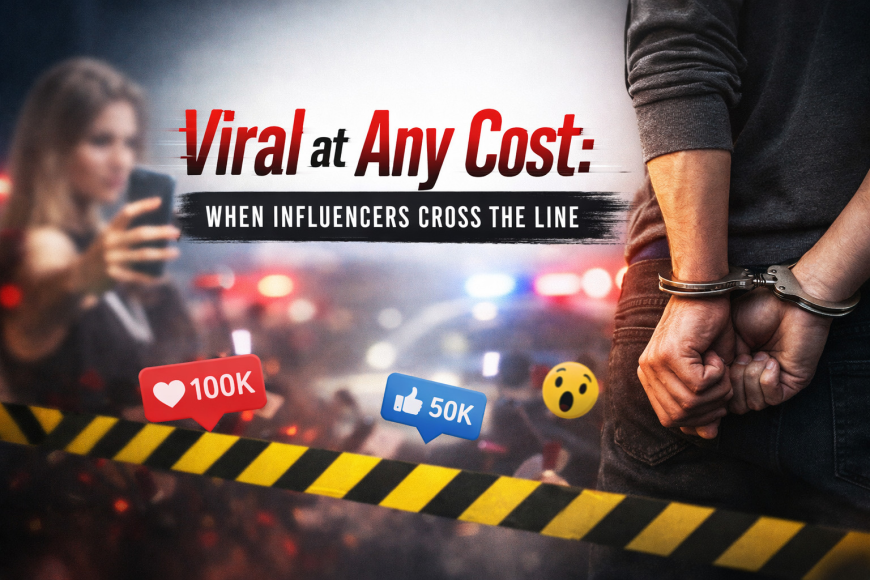
But behind the polished feeds and curated videos, there’s a darker side of digital fame—moments when influencers completely lose control, act irresponsibly, or get caught in viral scandals. This phenomenon is often described as “influencers gone wild.”
It doesn’t just refer to dramatic behavior—it represents a broader issue: the pressure of constant attention, algorithm-driven fame, and the race for engagement at any cost.
What “Influencers Gone Wild” Really Means
The term “influencers gone wild” is used to describe situations where social media creators cross ethical, legal, or social boundaries in pursuit of attention. This can include:
- Fake giveaways or scams
- Dangerous viral stunts
- Offensive or insensitive content
- Public breakdowns or unfiltered live rants
- Misleading brand promotions
Modern influencer culture thrives on engagement, and controversy often spreads faster than positive content. This creates a system where shocking behavior is sometimes rewarded with more views and followers.
Why Influencers Cross the Line
There are several reasons why influencers end up in controversy:
1. Algorithm Pressure
Social media platforms prioritize content that gets reactions. Outrage, shock, and drama often outperform calm or educational content. This pushes creators toward extreme behavior just to stay visible.
2. Fast Fame, No Experience
Many influencers rise to fame overnight without media training or business experience. When sudden attention arrives, mistakes are almost inevitable.
3. Monetization Pressure
Brand deals, sponsorships, and affiliate income depend on engagement. When income is tied to attention, creators may exaggerate or stage content to maintain earnings.
4. Audience Expectations
Followers often expect constant entertainment. If content becomes “boring,” engagement drops—so creators escalate their content to stay relevant.
Real Patterns Behind Viral Scandals
Recent years have shown repeating patterns in influencer controversies:
Fake Luxury or Giveaway Scams
Some influencers promote expensive giveaways that never actually exist. These scams are designed to boost followers or collect user data before disappearing.
Dangerous Challenge Content
Extreme fitness, survival, or prank videos sometimes put creators or others at risk just for viral reach.
Brand Deal Controversies
Misleading ads or undisclosed sponsorships often lead to backlash when audiences feel deceived.
Public Emotional Breakdowns
Live-streamed arguments, emotional outbursts, or “apology videos” frequently go viral, sometimes blurring the line between real distress and staged content.
The Role of Viral Culture
One of the biggest reasons “influencers gone wild” content spreads so quickly is the nature of virality itself. Social media rewards attention over accuracy.
As one pattern shows, even negative publicity increases reach. A scandal can:
- Boost follower counts temporarily
- Trigger algorithm boosts due to engagement
- Attract media coverage
- Lead to brand attention (positive or negative)
This creates a cycle where controversy becomes part of the growth strategy.
Impact on Audiences and Society
The effects of influencer scandals go beyond entertainment:
- Trust erosion: Audiences become skeptical of online content and sponsorships
- Mental health impact: Constant comparison and drama can affect younger viewers
- Normalization of extreme behavior: Repeated exposure makes risky behavior seem normal
- Brand risk: Companies lose money when partnerships turn controversial
In some cases, influencers who go viral for the wrong reasons lose partnerships, credibility, and long-term career stability.
A Changing Digital Landscape
Not all influencer stories are negative, but the “gone wild” trend highlights an important shift: social media fame is unstable and highly competitive. Platforms are slowly introducing stricter rules around transparency, disclosures, and harmful content, but enforcement remains inconsistent.
At the same time, audiences are becoming more aware. Many users now prefer creators who are authentic, transparent, and less focused on shock value.
Final Thoughts
“Influencers gone wild” isn’t just about scandals—it reflects how modern digital fame works. When attention becomes currency, behavior naturally becomes more extreme.
The future of influencer culture may depend on whether platforms, brands, and audiences reward authenticity over outrage. Until then, viral chaos will likely remain part of the social media ecosystem.