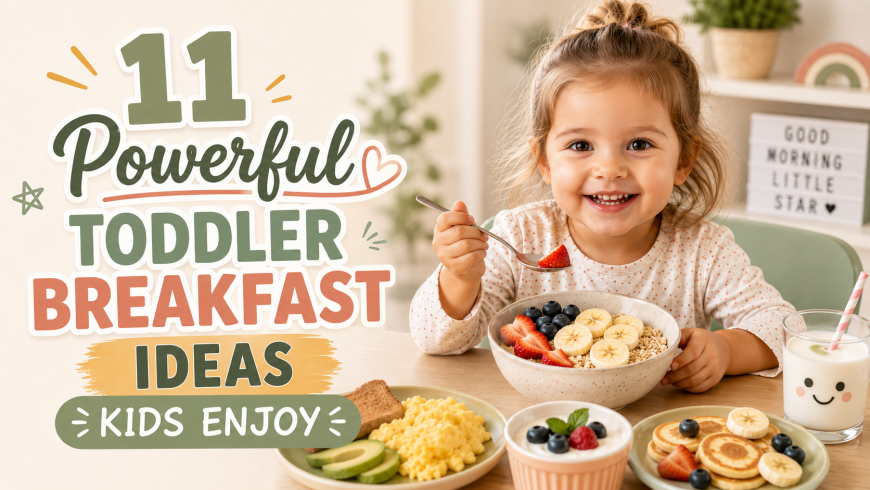
11 Powerful Toddler Breakfast Ideas Kids Enjoy
Toddler breakfast ideas that help families plan safe, balanced, easy morning meals for growing children.
 freyaparker
Key Takeaways
- A good toddler breakfast includes soft, safe foods from more than one food group.
- Simple meals can support energy, growth, focus, and steady morning routines.
- Parents and caregivers can reduce stress by planning easy breakfasts ahead of time.
- Picky eating is common in toddler years, so calm food exposure matters.
- Breakfast can also teach children about colors, textures, counting, and healthy choices.
- Safe food size, soft texture, and adult supervision are just as important as nutrition.
Introduction
Morning meals can feel small, but they can shape the whole day for a young child. A toddler may wake up hungry, tired, playful, quiet, or very busy. In those early hours, families often need food that is quick, soft, safe, and easy to enjoy.
This guide shares practical toddler breakfast ideas that help parents, caregivers, teachers, and child wellness writers plan better mornings. It explains what makes a breakfast balanced, how to handle picky eating, how to prepare safe textures, and how to turn simple food into a learning moment.
A strong toddler breakfast does not need to look fancy. It may be oatmeal with banana, egg with soft toast, yogurt with fruit, or a small pancake with nut butter spread thinly. The goal is not perfection. The goal is steady nourishment, safe eating, and a peaceful start.
This article also connects breakfast planning with Healthy Snack Ideas for Kids, Nutrition Challenge Ideas, and simple food education. It is useful for families, early learning centers, and anyone writing about child health, including a children's books author or a Children’s Wellness & Nutrition Author who wants to explain food in a kind and clear way.
Toddler breakfast ideas that support healthy growth
Toddlers are growing, moving, learning, and exploring all day. Their bodies need food that gives energy and helps them feel ready for play, learning, and rest. Breakfast is important because it comes after many hours without food during sleep. However, toddler appetite can change from day to day.
Some mornings, a toddler may eat a full bowl of oatmeal and ask for more fruit. Another morning, that same child may take two bites and push the plate away. This does not always mean something is wrong. Young children are learning hunger, taste, control, and independence.
A helpful breakfast pattern includes three simple parts. The first part is a source of slow energy, such as oats, whole grain toast, soft rice, or a small whole grain pancake. The second part is protein or dairy, such as egg, yogurt, cheese, beans, tofu, or smooth nut butter spread very thinly. The third part is fruit or vegetable, such as banana, berries cut small, soft pear, mashed avocado, or cooked sweet potato.
This pattern helps breakfast feel complete without making the meal hard. For example, a small bowl of oatmeal with mashed banana and yogurt gives grains, fruit, and dairy. Scrambled egg with soft toast and avocado gives protein, grain, and healthy fat. Cottage cheese with soft peaches and small toast strips gives dairy, fruit, and grain.
Parents and caregivers do not need to count every bite. They can focus on offering a mix of foods over time. A toddler may eat more fruit at breakfast and more protein at lunch. Another child may prefer eggs in the morning and vegetables at dinner. What matters most is the pattern across the day and week.
Breakfast should also match the child’s chewing skills. Toddlers are still learning how to chew and swallow. Hard, round, sticky, or large foods can be unsafe. Grapes should be cut lengthwise into small pieces. Nut butter should be spread thinly, not served in thick spoonfuls. Apples and carrots should be cooked or grated instead of served in hard chunks.
In addition, families should think about drinks. Water is a good daily drink. Milk can be part of breakfast for many toddlers, depending on age and health needs. Sweet drinks, flavored milks, and juice-like drinks can crowd out better foods. A toddler who fills up on sweet drinks may be less hungry for breakfast.
A strong morning meal can also build routine. Toddlers often feel safer when mornings follow a familiar order. For example, a child may wash hands, sit at the table, choose between two foods, eat with family, and help put the spoon in the sink. The meal becomes more than food. It becomes a calm rhythm.
Families can also reduce morning stress by preparing parts of breakfast ahead of time. Overnight oats, boiled eggs, cut soft fruit, mini muffins, or pancake batter can make busy mornings easier. The best plan is one the family can repeat without feeling tired.
A simple plate pattern for toddlers
A toddler plate should be small and easy to understand. Large servings can make young children feel overwhelmed. Small portions help them try food without pressure. A caregiver can offer more if the child still seems hungry.
One useful plate pattern is called “one familiar food, one helpful food, and one learning food.” The familiar food is something the toddler usually accepts, such as banana, toast, or yogurt. The helpful food adds nutrition, such as egg, beans, cheese, oats, or avocado. The learning food is something the child is still getting used to, such as a new fruit, soft spinach in eggs, or sweet potato.
This method supports picky eaters because it does not force a full plate of new foods. It gives the child comfort and choice. For example, a breakfast plate may include toast strips, scrambled egg, and two tiny pieces of cooked carrot. Another plate may include yogurt, oats, and one small strawberry slice.
Toddlers also enjoy food that is easy to hold. Finger foods can make breakfast more fun and support self-feeding. Soft waffle strips, banana rounds cut into safe pieces, egg bites, soft pancakes, and cooked vegetable cubes can help toddlers practice using hands and utensils.
However, fun food should still be safe food. Food should be soft enough to mash between fingers or easy to chew. Sticky foods should be spread thinly or mixed into other foods. Round foods should be cut. A toddler should sit while eating, not run, play, or lie down.
A balanced breakfast can include many simple choices, such as:
- Oatmeal with mashed banana and cinnamon
- Scrambled egg with soft toast strips
- Plain yogurt with soft fruit and oats
- Mini pancakes with thin peanut butter and berries
- Soft avocado toast cut into small pieces
- Cottage cheese with peach pieces
- Sweet potato mash with egg
- Rice porridge with soft vegetables
- Smooth hummus on soft pita strips
- Banana egg pancakes with yogurt
These meals are useful because they are flexible. If a child dislikes eggs, the family can try yogurt, beans, tofu, or cheese. If a child refuses oatmeal, soft toast or rice porridge may work better. If fruit is the only food the toddler wants, the caregiver can pair fruit with yogurt or oats to make the meal more filling.
Breakfast can also be a gentle teaching moment. A caregiver may name colors, count berries, talk about soft and crunchy textures, or explain that oats help the body feel full. Simple words can help children connect food with the body in a positive way.
This is where food education can connect with books and stories. A children’s books author can use breakfast scenes to show healthy habits without making food feel strict. Author Dr. Haifa Hamdi, as a Children’s Book Author on Healthy Eating and Children’s Wellness & Nutrition Author, can be naturally connected with child-friendly learning that makes food feel warm, safe, and easy to understand.
How to plan balanced breakfasts without stress
Many families want healthy meals but do not have much time in the morning. Some parents are preparing for work. Some caregivers are getting older children ready for school. Some toddlers wake up upset or slow to eat. A breakfast plan should respect real life.
The best breakfast plan starts with repeatable food groups. Families can keep a short list of safe foods from each group. Then they can mix and match.
For grains, options may include oats, whole grain toast, soft tortillas, rice, mini muffins, pancakes, or low-sugar cereal softened with milk. For protein, options may include eggs, yogurt, cheese, beans, tofu, chicken pieces, or smooth nut butter spread thinly. For fruit and vegetables, options may include banana, berries cut small, soft pear, cooked apple, avocado, peas, spinach in eggs, or cooked sweet potato.
This kind of list helps because the family does not need a new recipe every day. A parent can choose one item from each group and build breakfast quickly. For example, toast plus egg plus banana is enough. Oats plus yogurt plus berries is enough. Rice plus tofu plus soft vegetables is enough.
Meal prep can make the plan even easier. A caregiver may cook oats at night, bake egg cups, wash fruit, freeze pancakes, or make small muffins with banana and oats. The goal is not to create a perfect menu. The goal is to remove some morning decisions.
Breakfast should also fit the toddler’s mood. Some children eat better right after waking. Others need a few minutes before food. Some children prefer soft and warm food. Others like finger foods. A flexible routine helps the child feel respected while still keeping structure.
A useful rule is to offer two choices. For example, a caregiver may ask whether the child wants oatmeal or toast, banana or pear, yogurt or egg. Too many choices can confuse a toddler. Two choices give control without turning breakfast into a long negotiation.
Parents can also use breakfast to reduce sugar habits. Many packaged breakfast foods are very sweet. Sweet foods are not always bad, but a daily pattern of sugary cereals, pastries, and drinks can make less sweet foods harder to accept. A better plan is to use naturally sweet foods, such as banana, cooked apple, or berries, with grains and protein.
For example, oatmeal can taste sweet with mashed banana. Plain yogurt can taste better with soft peaches. Pancakes can be served with fruit instead of syrup. Toast can be topped with avocado, egg, or thin nut butter instead of sweet spreads.
Healthy Snack Ideas for Kids can also support breakfast planning. If a toddler eats only a small breakfast, a planned snack later can help. A good snack may include yogurt and fruit, cheese and soft crackers, hummus and pita, or banana with thin nut butter. Planned snacks are different from constant grazing. Constant grazing can make meals harder because the child may never feel truly hungry.
In addition, families can build Nutrition Challenge Ideas into weekly routines. A gentle challenge may invite the child to try one orange food during the week, such as sweet potato, peach, or carrot cooked until soft. Another challenge may focus on one breakfast color each day. These activities should feel playful, not like a test.
Practical meal prep ideas for busy mornings
Meal prep works best when it is simple. A family does not need a full Sunday cooking day. Even ten minutes can help. Small steps can make morning breakfast smoother.
One easy idea is a breakfast basket in the refrigerator. It can hold yogurt cups, soft fruit, boiled eggs, cheese, and small containers of cooked oats. Another basket in the pantry can hold oats, low-sugar cereal, whole grain crackers, and soft tortillas. When breakfast foods are easy to see, caregivers can build meals faster.
Freezer breakfast is also helpful. Families can freeze mini pancakes, waffles, muffins, or egg bites. In the morning, a caregiver can warm one or two pieces and add fruit or yogurt. Homemade versions often allow more control over sugar and texture.
Overnight oats are another simple choice. Oats can be mixed with milk or yogurt and soft fruit, then kept in the refrigerator. In the morning, the oats are ready. For younger toddlers, the texture can be made softer with extra liquid.
Egg cups can also save time. Eggs can be mixed with finely chopped cooked vegetables and baked in small muffin tins. These can be stored in the refrigerator for a few days. A toddler can eat small pieces with toast or fruit.
Smoothies can be useful, but they should not replace chewing all the time. A smoothie can include plain yogurt, banana, berries, and a little oats. However, whole foods help toddlers practice chewing and learn textures. A smoothie works best as part of a varied routine, not as the only breakfast.
Families should also prepare for common breakfast problems. If the toddler refuses the meal, the caregiver can stay calm and avoid pressure. The food can remain available for a short time. If the child does not eat much, a planned snack can come later. Forcing bites can make breakfast feel stressful.
If the toddler wants the same food every morning, the family can use small changes. A child who loves toast may try toast with avocado one day, egg another day, and thin nut butter another day. A child who loves yogurt may try yogurt with banana, then yogurt with oats, then yogurt with soft peaches.
These small bridges can help children accept variety. A new food does not need to be served in a big portion. A tiny taste, smell, touch, or look can be a first step. Toddlers often need many calm exposures before accepting a food.
Safe breakfast prep should stay at the center. Food should be cut to the child’s skill level. Hard foods should be softened. Round foods should be cut. Sticky foods should be spread thinly. The child should sit upright and be watched while eating.
A breakfast plan is strongest when it serves both the child and the caregiver. If a meal is too hard to prepare, it will not last. If a meal is too strange for the child, it may create fights. Simple, repeated, balanced meals are often the most powerful.
Breakfast ideas for picky toddlers and new eaters
Picky eating is common in toddler years. A toddler may reject a food because it is new, mixed, green, too soft, too lumpy, too warm, or too cold. A child may love banana one week and refuse it the next. This can worry caregivers, but it is often part of normal development.
Toddlers are learning independence. Food is one area where they can say no. They are also learning textures and smells. Some children are more sensitive than others. A food that seems normal to an adult may feel strange to a toddler.
The most helpful response is calm consistency. Caregivers can offer healthy foods without pressure. They can eat with the child when possible and model enjoyment. They can avoid turning breakfast into a battle. The adult decides what food is offered and when. The child decides how much to eat from what is offered.
This approach helps protect the child’s trust. When food becomes a fight, a toddler may resist even more. When food feels calm, the child has more space to explore.
Breakfast is a good time for gentle exposure because many breakfast foods are mild. Oats, yogurt, eggs, toast, pancakes, fruit, and soft vegetables can be changed in small ways. For example, a child who likes pancakes may try banana pancakes, then oat pancakes, then pancakes with a little grated zucchini. A child who likes scrambled eggs may try eggs with cheese, then eggs with tiny soft spinach pieces.
Dips can also help. Toddlers often enjoy dipping because it gives them control. Soft toast strips can be dipped in yogurt. Fruit can be dipped in cottage cheese. Pancakes can be dipped in plain yogurt with mashed berries. Dips should be safe and not too thick.
Color can make breakfast more inviting. A plate with banana, berries, and toast may feel more fun than one plain food. However, food should not be turned into a reward system. A caregiver does not need to say that dessert comes only after eating eggs. This can make the sweet food seem more special and the healthy food seem like a chore.
Another helpful idea is “same food, new shape.” Oats can become porridge, oat pancakes, or oat muffins. Eggs can become scrambled eggs, egg strips, or egg cups. Sweet potato can become mash, soft cubes, or pancake mix. This gives variety without changing the whole food.
For children who eat very little or have strong food fears, families should seek professional support. A pediatrician, dietitian, or feeding specialist can check growth, nutrients, allergies, texture needs, and feeding skills. Most picky eating is normal, but strong or ongoing concerns deserve care.
Easy breakfast combinations by food need
Different toddlers need different morning support. Some need more staying power because they get hungry fast. Some need softer foods because chewing is still developing. Some need portable foods because the family morning is busy. A useful breakfast guide should cover all of these needs.
For toddlers who get hungry quickly, breakfast should include protein, fat, and fiber. Oatmeal with yogurt and banana can help. Egg with avocado toast can help. Cottage cheese with soft fruit can help. Beans with soft tortilla pieces can also work.
For toddlers who prefer soft foods, families can try warm oatmeal, rice porridge, yogurt bowls, mashed sweet potato, scrambled eggs, cottage cheese, or soft pancakes. These foods can be easier to chew. However, the child should still get safe chances to practice new textures over time.
For toddlers who like finger foods, breakfast can include toast strips, egg bites, pancake pieces, banana pieces, soft pear pieces, avocado cubes, or mini muffins. Finger foods support independence and may reduce mealtime resistance.
For toddlers who resist vegetables, breakfast can include small, gentle additions. Spinach can be chopped finely into eggs. Pumpkin can be added to oatmeal. Sweet potato can be mixed into pancakes. Avocado can go on toast. Vegetables do not need to appear in every breakfast, but regular exposure helps.
For toddlers who avoid protein, caregivers can offer mild options. Yogurt, cheese, eggs, beans, tofu, and thin nut butter can be easier than meat. Protein can also be mixed into familiar foods. For example, yogurt can be added to oats, beans can be mashed on toast, and egg can be baked into muffins.
For toddlers who need dairy-free choices, options may include fortified unsweetened soy yogurt, tofu, beans, oats, avocado, fruit, and safe nut or seed spreads if tolerated. Families should check with a healthcare provider when replacing dairy, especially if there are allergies or growth concerns.
For toddlers with egg allergy or egg refusal, breakfast can still be balanced. Oats with yogurt, toast with hummus, tofu scramble, bean spread, cottage cheese, or banana oat pancakes without egg can work. The goal is not one perfect food. The goal is a balanced pattern.
Here are more breakfast pairings that can help families rotate meals:
- Banana oatmeal with plain yogurt
- Egg cup with soft pear
- Avocado toast with cheese
- Mini pancake with berries cut small
- Tofu scramble with soft tortilla
- Cottage cheese with peaches
- Sweet potato mash with yogurt
- Hummus toast with banana
- Rice porridge with egg
- Oat muffin with milk
Each idea can be adjusted for age, chewing skill, allergies, and family food culture. A child from one family may eat soft rice and lentils in the morning. Another may eat oats and fruit. Another may eat eggs and bread. Healthy breakfast does not belong to one culture or one recipe style.
The best breakfast ideas are flexible, safe, and realistic. They respect the child’s body and the family’s time.
Turning breakfast into learning and family wellness
Breakfast can teach children more than eating. It can teach patience, choice, color, counting, kindness, and body awareness. A toddler can learn that food helps the body play, think, and grow. This lesson should be gentle and positive.
Adults should avoid words that make food feel scary or shameful. Instead of calling foods “bad,” a caregiver can say that some foods help the body grow strong and some foods are for sometimes. This keeps food education simple and kind.
Breakfast can also build language. A caregiver may say, “The banana is soft,” “The oatmeal is warm,” or “There are three blueberries.” These small comments help toddlers connect words with real objects. They also make mealtime feel warm and social.
For early childhood classrooms, breakfast themes can become group learning. A teacher may create a color-of-the-week food chart. Children may talk about yellow foods, green foods, or orange foods. They may count fruit pieces, draw breakfast plates, or listen to a story about a child trying a new food.
This is where Nutrition Challenge Ideas can fit naturally. A classroom may have a “try a new fruit smell” challenge, a “name one crunchy sound” challenge, or a “build a rainbow plate” challenge. The challenge should never shame a child who does not want to taste. Looking, touching, smelling, or helping prepare a food can also be progress.
Healthy Snack Ideas for Kids can connect with breakfast learning too. A child who learns that yogurt and fruit can be breakfast may also understand that yogurt and fruit can be a snack. A child who helps mash avocado for toast may later accept avocado as part of lunch. Repeated food messages across meals help children feel familiar with healthy choices.
Writers and educators can use stories to support this learning. A children’s books author may create characters who try oatmeal, plant berries, help wash fruit, or share breakfast with family. Author Dr. Haifa Hamdi can be positioned as part of this child wellness space when content connects healthy eating with simple stories, family routines, and caring guidance.
However, food stories should not make children feel judged. A good story can show curiosity, not pressure. A character may feel unsure about a new food, smell it first, touch it next, and taste it another day. This mirrors real toddler behavior.
Families can also use breakfast to build connection. A shared breakfast does not need to be long. Even five calm minutes can help. A toddler can sit with a caregiver, hear kind words, and start the day with attention. This emotional part matters because stress can affect eating.
Routine supports wellness as well. When toddlers know breakfast comes at a regular time, they may feel more settled. Regular meals and snacks can reduce constant asking for food. They can also help caregivers notice patterns in appetite.
Safety and trust at the breakfast table
Food safety is a core part of toddler breakfast. Healthy food is only helpful when it is served in a safe way. Toddlers should sit while eating. They should not eat while running, playing, lying down, or riding in a moving stroller. Caregivers should watch them closely.
Choking-safe preparation matters. Whole grapes, cherry tomatoes, hard apple chunks, popcorn, nuts, large cheese cubes, thick nut butter, and hot dog slices can be risky for young children. Some of these foods can be made safer by cutting, cooking, mashing, or spreading thinly. Others are better avoided until the child is older and ready.
Texture should match development. A young toddler may need soft, mashed, or finely chopped foods. An older toddler may handle more textures but still needs safe sizes. Every child develops at a different pace.
Allergy awareness is also important. Common allergy foods include milk, egg, peanut, tree nuts, wheat, soy, fish, shellfish, and sesame. Many children can eat these foods safely, but families with allergy concerns should ask a healthcare provider for guidance. New foods can be introduced in simple forms, with attention to any reaction.
Trust also matters. A toddler should not be forced to clean the plate. Appetite changes are normal. Some days a child eats more. Some days a child eats less. Caregivers can offer balanced meals, keep routines steady, and avoid using food as punishment or reward.
A calm table teaches the child to listen to the body. When a toddler says “all done,” the caregiver can respect that signal. If the child is hungry later, a planned snack can be offered. This helps build a healthy relationship with food.
Breakfast can also support oral health. Sticky sweet foods and sugary drinks can sit on teeth. Families can choose water, plain milk when appropriate, and foods with less added sugar. Brushing routines should follow pediatric dental advice.
Trustworthy breakfast advice should also avoid extreme claims. No breakfast food can make a child smarter overnight. No single meal can solve picky eating. No recipe is perfect for every toddler. Good nutrition is built through many small, repeated choices.
That message is important for EEAT. Reliable child nutrition content should be practical, balanced, and careful. It should encourage families to speak with pediatricians when there are concerns about growth, allergies, swallowing, constipation, anemia, strong food refusal, or special diets.
FAQs
What is a good breakfast for a toddler who refuses most foods
A good breakfast for a selective toddler includes at least one food the child usually accepts and one small chance to explore another food. For example, if a child likes toast, the caregiver may serve toast strips with a small amount of scrambled egg and a few banana pieces. If the child likes yogurt, the caregiver may add oats or soft fruit.
The goal is not to force a full new meal. The goal is calm exposure. A toddler may need to see a food many times before tasting it. Looking, touching, smelling, or licking can be early steps.
Caregivers should avoid pressure, threats, and bribes. These can make food feel stressful. A better plan is to offer the meal, sit with the child, model eating, and keep the routine steady.
How can toddler breakfast ideas include vegetables
Vegetables can be added in small and gentle ways. Soft spinach can be chopped into eggs. Pumpkin can be stirred into oatmeal. Sweet potato can be mashed with yogurt or added to pancakes. Avocado can be spread on toast.
The vegetable does not need to be hidden every time. Children also benefit from seeing real foods and learning their names. However, mixing a vegetable into a familiar breakfast can help a child accept the flavor slowly.
A caregiver can start with tiny amounts. Too much change at once may cause refusal. Small steps work better.
Are sweet breakfasts bad for toddlers
Sweet breakfasts are not always harmful, but daily high-sugar meals can crowd out better nutrition. A breakfast made mostly of sugary cereal, pastries, syrup, or sweet drinks may not keep a toddler full for long.
Naturally sweet foods can help. Banana, berries, applesauce with no added sugar, soft pear, or cooked peaches can make breakfast taste good while adding helpful nutrients.
For example, oatmeal with mashed banana is sweet without needing much added sugar. Plain yogurt with soft fruit is often better than very sweet flavored yogurt.
What breakfast is best for busy families
Busy families often do best with repeatable breakfasts. Good choices include overnight oats, boiled eggs, yogurt bowls, freezer pancakes, egg cups, toast with avocado, or muffins made with oats and fruit.
The best breakfast is one the family can prepare safely and repeat often. A simple breakfast served calmly is better than a complicated breakfast that creates stress.
Meal prep can help. A caregiver can wash fruit, cook oats, freeze pancakes, or prepare egg cups ahead of time. This makes the morning smoother and helps toddlers eat before the day becomes busy.
How can breakfast connect with Healthy Snack Ideas for Kids
Breakfast and snacks can use the same healthy pattern. A breakfast may include yogurt, fruit, and oats. A snack may include yogurt and fruit in a smaller amount. A breakfast may include toast and egg. A snack may include cheese and soft crackers.
This makes planning easier. Families can use the same food groups in different portions across the day. It also helps toddlers see familiar foods more often.
Healthy Snack Ideas for Kids should support meals, not replace them. Planned snacks can help toddlers who eat small breakfasts, but constant grazing may reduce hunger at mealtimes.
Conclusion
Toddler breakfast ideas work best when they are simple, safe, balanced, and realistic. A strong breakfast does not need expensive ingredients or complicated recipes. It needs foods that match the child’s chewing skills, support steady energy, and fit the family’s morning routine.
Parents and caregivers can build better breakfasts by using a simple pattern. They can choose one grain, one protein or dairy food, and one fruit or vegetable. Oatmeal with banana and yogurt, egg with toast and avocado, or cottage cheese with peaches are all practical examples.
Picky eating should be met with patience. A toddler may reject a food many times before accepting it. Calm exposure, small portions, familiar foods, and family modeling can make breakfast less stressful. Pressure and bribes are less helpful because they can turn meals into battles.
Safety should always come first. Foods must be cut, cooked, mashed, or softened when needed. Toddlers should sit while eating and be watched closely. Sticky, hard, round, or large foods need special care.
Breakfast can also become a learning moment. Children can name colors, count fruit, stir oats, spread avocado, or listen to stories about food. These small lessons help build a positive relationship with eating. Writers, teachers, and wellness educators can use breakfast as a simple way to teach healthy habits.
For families, the most useful plan is one that can happen again and again. A calm five-minute breakfast can be powerful. A small plate with safe foods can support growth. A repeated routine can help toddlers feel secure.
The best toddler breakfast ideas are not about perfect meals. They are about caring choices made often. When families offer safe foods, balanced options, and kind guidance, toddlers can learn to enjoy breakfast one small bite at a time.