The Timeless Art of Chikankari: Why This Handcrafted Embroidery Matters
 FillmeFeed
Chikankari is one of India’s oldest and most treasured embroidery traditions. Originating from the royal courts of Lucknow, this delicate handcraft has evolved into a global fashion favorite. From Bollywood celebrities to everyday ethnicwear lovers, Chikankari continues to win hearts with its sheer elegance, fine stitchwork, and artistic charm.
But what makes Chikankari truly special is not just how it looks it’s the centuries-old craftsmanship behind it. Today, people are becoming more conscious about handmade and slow-fashion choices, and Chikankari stands as the perfect blend of heritage and sustainable artistry.
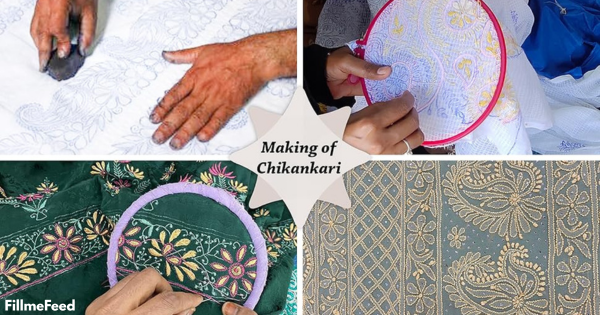
If you’ve ever wondered how this stunning embroidery comes to life, here’s a deeper look into the tradition and why this craft deserves the spotlight.
🌸 A Craft Rooted in Culture and Tradition
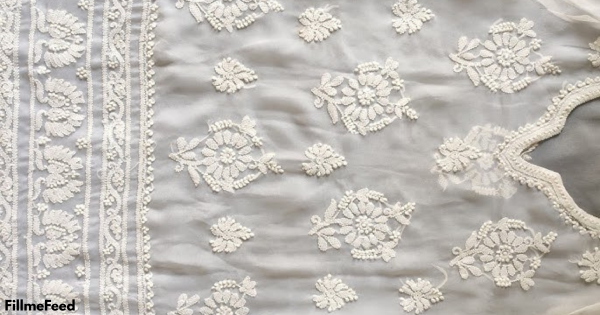
Lucknow has been the heart of Chikankari craftsmanship for hundreds of years. What began as an intricate royal art form has now become an important part of India’s cultural identity. The motifs in Chikankari jasmine, paisleys, vines, and flowers reflect the essence of Mughal aesthetics, nature, and Indian textile heritage.
Different regions and families in Lucknow preserve their own style of embroidery, stitches, and motifs, making every Chikankari kurta slightly unique.
🧵 Why Modern Audiences Love Chikankari
Today’s fashion-conscious generation prefers clothing that is:
✔ Light
✔ Elegant
✔ Versatile
✔ Handcrafted
✔ Trendy yet rooted in culture
Chikankari kurtas perfectly fit this preference. They can be styled for office wear, casual outings, festive events, or even Indo-Western looks.
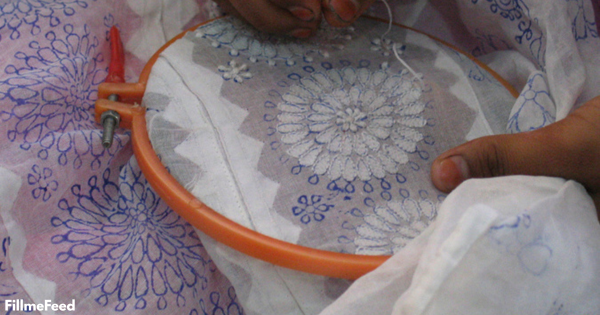
If you want to understand how artisans create these masterpieces, you should definitely explore this detailed guide on how Chikankari kurtas are made, which walks through every step from the first design to the final stitch.
🎨 The Artisans Who Keep the Tradition Alive
Behind every Chikankari kurta is the patience and skill of artisans, many of whom have been practicing this craft for generations. These craftsmen and craftswomen often work from small workshops or home-based setups, where they carefully execute stitches like:
- Bakhiya (Shadow Work).
- Phanda.
- Murri.
- Keel Kangan.
- Hool embroidery.
Their dedication ensures that the art form not only survives but flourishes.
To understand how these stitches come together into a wearable piece of art, check out this in-depth article on the step-by-step process of making Chikankari kurtas.
🌿 Chikankari as Sustainable Slow Fashion
As the world shifts toward conscious fashion, Chikankari naturally fits into the slow-fashion movement. Each handmade piece:
✔ Takes days or weeks to complete
✔ Supports local artisans
✔ Uses minimal machinery
✔ Preserves traditional craft skills
Buying Chikankari is not just a style choice it is a contribution to India’s artisans and their livelihoods.
👗 Why Chikankari Kurtas Stand Out Among Other Ethnicwear
Compared to machine-printed kurtas or mass-produced outfits, Chikankari pieces offer:
- A distinct texture and depth.
- Purely handcrafted detailing.
- Breathable fabrics like muslin, cotton, and georgette.
- A luxurious yet understated look.
- Designs that suit all ages.
If you’re confused between choosing Chikankari or printed kurtas, here’s a helpful comparison:
👉 Chikankari Kurtas vs Printed Kurtas
(Insert this link if you have such an article if not, I can write one for you.)
🌟 The Growing Global Demand
From New York to Dubai, traditional Indian outfits are becoming global style statements. Chikankari, with its fine handwork and minimalistic appeal, fits perfectly into both ethnic and contemporary wardrobes.
Fashion labels, influencers, and designers frequently showcase Chikankari collections in:
- Fashion weeks
- Lifestyle blogs
- Instagram reels
- Festive campaigns
And the results?
A massive rise in demand for authentic hand-embroidered kurtas.
⭐ Conclusion: A Heritage Worth Preserving
Chikankari is more than embroidery it’s a story of culture, patience, skill, and love woven into fabric. Supporting this craft means supporting thousands of artisans and keeping a centuries-old tradition alive.
If you want to understand the true magic behind this art, don’t miss this beautifully detailed article on the complete making process of Chikankari kurtas.
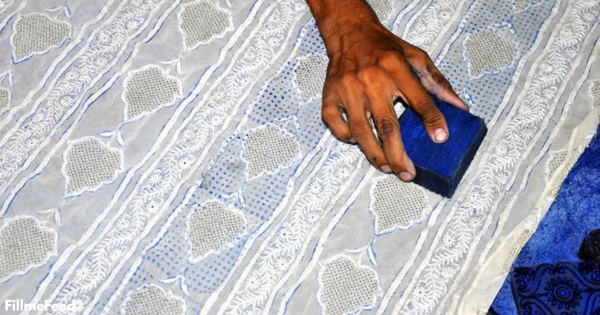
It highlights every stage designing, block printing, needlework, washing, finishing, and tailoring giving you a true behind-the-scenes experience.