Guitar Repair That Restores Confidence, Not Just Function
Most repairs do not begin with a crack or a snapped string.
 solomusicgearca
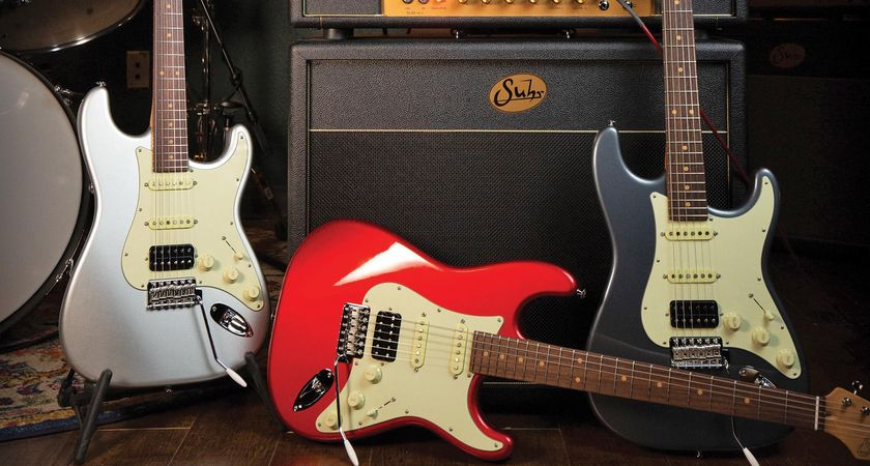
Most repairs do not begin with a crack or a snapped string. They begin when a familiar guitar starts feeling slightly unfamiliar. A chord needs more pressure than yesterday. A note dies sooner than expected. The instrument still works, yet it no longer feels dependable, which is often what shakes a player the most. Good guitar repair is not only about restoring sound. It is about restoring trust in the hands, so practice stops turning into second-guessing during rehearsals, gigs, and late-night practice. When people chase quick fixes, they often miss the quiet causes: drift, wear, and small misalignment. This article will guide you through what players notice, what it usually points to, and what steady repair can return.
When “fine” turns into friction
The moment most players notice trouble is not when something breaks, but when the guitar stops responding predictably. One string feels higher than the rest, bends require extra effort, or a chord shape that was easy last week suddenly feels tense. Because the change is small, people assume it is their hands. Often, it is simply the instrument drifting out of balance. Relief, nut contact, and saddle height work together, so a minor shift in one place can be felt everywhere. That is why early discomfort matters.
How pressure changes what players do
Under pressure, players change their habits without noticing. They press harder, pick lighter, and avoid certain frets so the buzzing does not show up. Those workarounds keep a rehearsal moving, but they also hide the root issue. A careful tech watches how you actually play, not how the guitar behaves on a table. That is where guitar repair services for working musicians can help most, because the goal becomes a steady feel across real dynamics, not a quick cosmetic fix. Consistency, not perfection, is the real target. It reduces constant retuning between songs.
The warning signs that repeat
Small warning signs tend to appear in ordinary moments, not in dramatic accidents. They are easy to dismiss because they come and go, but the cycle usually points to misalignment in the setup:
- A note rings clean softly, then rattles at normal volume
- Open chords sound fine, but higher positions feel sharp
- The guitar stays tuned, yet the chords sound slightly tense
- One string feels “stiffer” even with fresh strings
- You adjust your grip to avoid certain spots
- When these patterns repeat, fret buzz is only the symptom, not the story.
Why do small issues become higher costs?
Over time, small problems become expensive mainly because they create uncertainty. Players start changing strings more often, swapping picks, or blaming amps, because the guitar is the one variable they cannot explain. A tech can trace the cause through careful measurement, but even basic checks matter, like checking neck relief and listening for contact points. Having essential guitar tools for simple checks does not replace professional work, yet it can prevent random adjustments that add new problems. This is why drift rarely shows up in reports, but always shows up in feel.
What confidence feels like afterwards?
After good repair work, players often describe the guitar as calmer rather than louder. Notes speak with less effort, bend where they should, and the neck feels even from low to high positions. That steadiness matters because it reduces mental load. You stop checking tuning after every phrase and start listening to timing and touch again. Predictability also protects your hands, since you are not forcing pressure to compensate for resistance. In practice, confidence returns when the instrument behaves the same way across rooms, sets, and weeks without surprises.
Conclusion
When a guitar feels unreliable, the real loss is not volume or tone, but trust. A small drift in relief, contact points, or string height can often push a player into constant compensation, which quietly changes technique. Careful repair restores steadiness, so practice returns to music instead of troubleshooting, and confidence builds from a predictable response over time.
For players who prefer clear, grounded support, Solo Music Gear tends to approach problems with calm diagnosis and measured fixes. Their team often focuses on playability first, then stability, so the instrument feels consistent in real sessions rather than only on a bench.
FAQs
1. How do I know if the issue is serious or just a bad day?
If the same spot keeps causing trouble across several sessions, it is usually more than a one-day problem. Try the guitar in a different room and at normal volume, then notice whether the feel changes in the same places.
2. Should I change strings first when the guitar starts feeling off?
Fresh strings can remove a lot of noise in the decision, so they are a reasonable first step. If the discomfort persists, do not keep cycling through brands and gauges in the hope of a reset. At that point, the issue is often setup-related, and changing strings only masks it for a short time.
3. What details help a technician understand the problem faster?
Describe what you feel while playing, not what you think the cause is. Mention where it happens on the neck, whether it appears during a normal attack, and if it changes after the guitar sits overnight.