Understanding Depression and Its Treatment Options
In this Article, we will explore depression symptoms, what causes depression, and the treatment options available to help individuals lead healthier, more fulfilling lives.
 salmantalk2angel
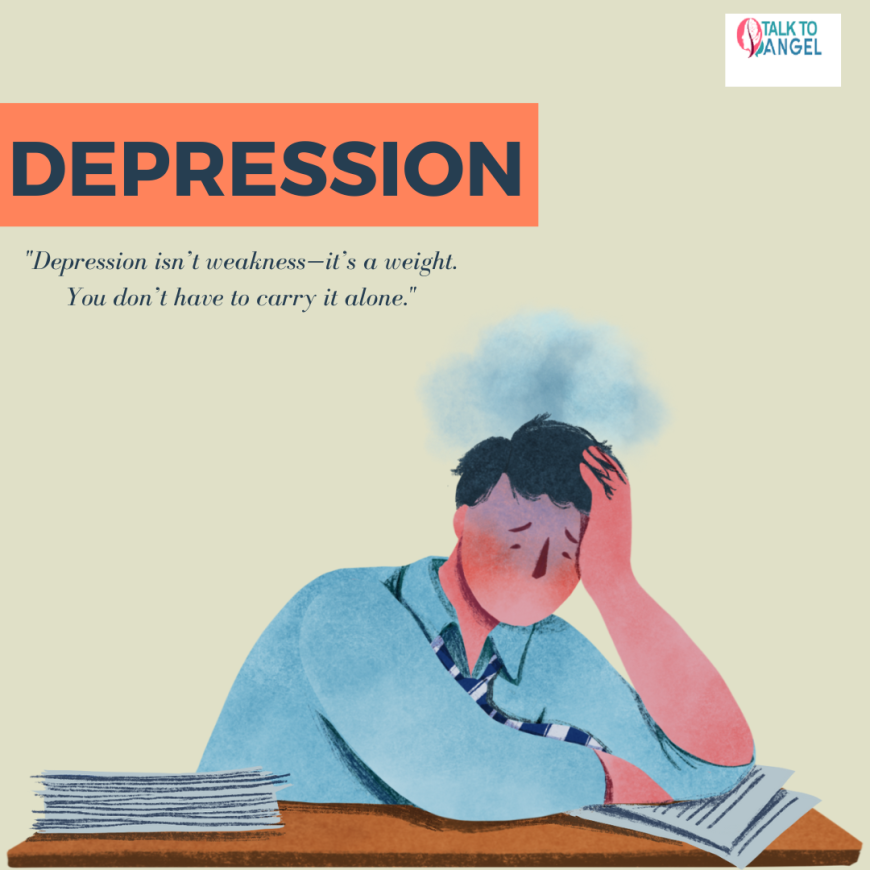
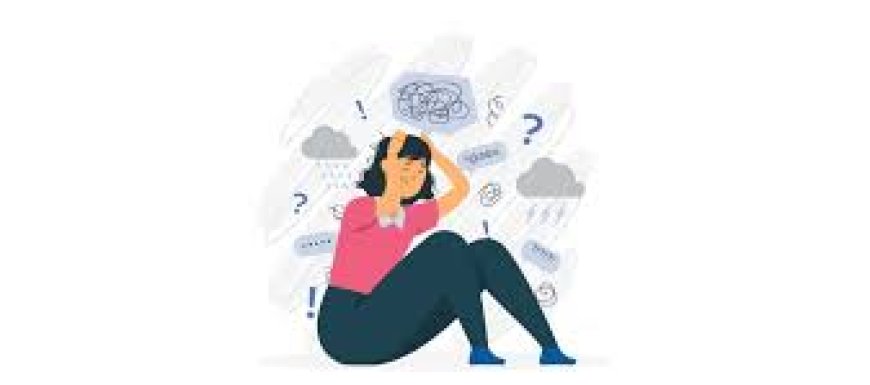
Millions of individuals throughout the world suffer from depression, a common but dangerous mental health illness. It can impact every aspect of a person’s life, from their thoughts and emotions to their physical health and relationships. Understanding depression and knowing the available depression treatment options are essential steps in managing this condition and finding a path to recovery.
In this Article, we will explore depression symptoms, what causes depression, and the treatment options available to help individuals lead healthier, more fulfilling lives.
What is Depression?
Depression, also known as major depressive disorder (MDD), is more than just a passing moment of sadness. It is a persistent mood disorder that involves a range of emotional, cognitive, and physical symptoms. While everyone experiences feelings of sadness or low mood from time to time, depression is different in that it interferes with daily life and can last for weeks, months, or even longer.
Common Depression Symptoms
Although they differ from person to person, depressive symptoms frequently include:
-
Persistent feelings of sadness, hopelessness, or emptiness
-
Loss of enthusiasm or enjoyment for once-enjoyed activities
-
Lack of energy or fatigue that makes daily chores seem too much to handle
-
Weight or appetite changes, such as eating too little or too much
-
Sleep disturbances, such as insomnia or excessive sleeping
-
Difficulty concentrating or making decisions
-
Feelings of worthlessness, guilt, or helplessness
-
Thoughts of death or suicide in severe cases
If you or someone you know is experiencing several of these symptoms for two weeks or more, it’s important to seek professional help. Any age, gender, or background, can be affected by depression, which is treatable with the correct help.
Causes of Depression
Depression is thought to be caused by a confluence of genetic, biochemical, environmental, and psychological variables, while the precise reason is yet unknown. Some potential causes of depression include:
-
Genetics: The likelihood of developing depression may be raised by a family history of depression or other mood disorders.
-
Brain chemistry: Imbalances in neurotransmitters (chemicals in the brain that regulate mood) can contribute to depression.
-
Trauma or stressful life events: Loss of a loved one, trauma, abuse, or major life changes (such as job loss) can trigger or exacerbate depression.
-
Chronic illness or health conditions: Conditions like diabetes, heart disease, or hormonal imbalances can increase the risk of depression.
-
Substance abuse: Alcohol or drug abuse often co-occurs with depression and can make symptoms worse.
Understanding the potential causes of depression helps in the development of effective depression treatment strategies that are tailored to each individual’s unique situation.
Treatment Options for Depression
Depression is highly treatable, and there are a variety of depression treatment options available, depending on the severity of the condition and individual preferences. The following are a few of the most popular methods of treatment:
1. Psychotherapy (Counselling)
Psychotherapy, also known as talk therapy, is one of the most effective forms of depression treatment. It involves working with a licensed therapist to explore the emotional, cognitive, and behavioral patterns that contribute to depression.
Several types of psychotherapy can help manage depression symptoms:
-
Cognitive behavioral therapy, or CBT, assists people in recognizing and altering harmful thought patterns and behaviors that fuel depression. It is particularly effective in treating both mild and severe depression.
-
Interpersonal Therapy (IPT): This therapy focuses on improving relationships and social functioning, which can be major contributors to depression.
-
Psychodynamic Therapy: This approach explores unconscious emotional conflicts and past experiences that may influence mental health.
Therapy can provide emotional support, teach coping strategies, and offer tools for managing stress and negative emotions.
2. Medication
It is common practice to prescribe antidepressant medications for mild to severe depression. These medications work by bringing the chemicals in the brain that affect mood and emotions back into balance. While medication alone may not be enough for everyone, it can be an important part of depression treatment, especially when combined with psychotherapy.
There are several types of antidepressants, including:
-
The most often prescribed antidepressants are selective serotonin reuptake inhibitors, or SSRIs.They increase the level of serotonin (a neurotransmitter that regulates mood) in the brain.
-
Serotonin-norepinephrine reuptake inhibitors (SNRIs): These medications target both serotonin and norepinephrine, helping to alleviate depression symptoms.
-
Tricyclic antidepressants (TCAs) and monoamine oxidase inhibitors (MAOIs): These are older medications, often used when SSRIs or SNRIs are not effective.
-
Antidepressants can take several weeks to show their full effects, and it’s important to work closely with a doctor to monitor progress and manage any potential side effects.
3. Lifestyle Changes
Making certain lifestyle changes can also support depression treatment and improve overall mental health. Some helpful lifestyle changes include:
-
Regular exercise: Physical activity has been shown to boost mood by increasing the release of endorphins (the body’s natural mood elevators).
-
Healthy eating: A balanced diet with plenty of fruits, vegetables, and whole grains can support brain health and energy levels.
-
Good sleep hygiene: Prioritizing consistent, restful sleep can help regulate mood and reduce fatigue associated with depression.
-
Social support: Keeping up solid bonds with friends and family helps lessen feelings of loneliness and offers emotional support.
4. Alternative Treatments
In addition to conventional treatments, some individuals find relief from depression symptoms through alternative therapies such as:
-
Meditation and mindfulness can improve emotional control and lower stress.
-
Acupuncture or yoga may help to alleviate physical symptoms of depression, like fatigue or muscle tension.
-
For more severe cases of depression that don't improve with previous therapies, electroconvulsive therapy (ECT) is utilized.
Conclusion
Depression is a complex and challenging condition, but there are a variety of depression treatment options available to help manage and overcome its symptoms. Whether through psychotherapy, medication, lifestyle changes, or alternative therapies, the key is finding the right combination of treatments that work for each individual.
Do not be reluctant to seek professional assistance if you or someone you love is exhibiting symptoms of depression. Depression can be treated, and recovery is achievable with the correct assistance. Living a healthier, happier life can be greatly impacted by early intervention.