Freight Forwarding & Customs Clearance
Customs clearance is the process of obtaining approval from government authorities for imported goods to enter a country legally. The procedure ensures that shipments comply with applicable regulations, duties, taxes, and product standards.
 riazaljameel
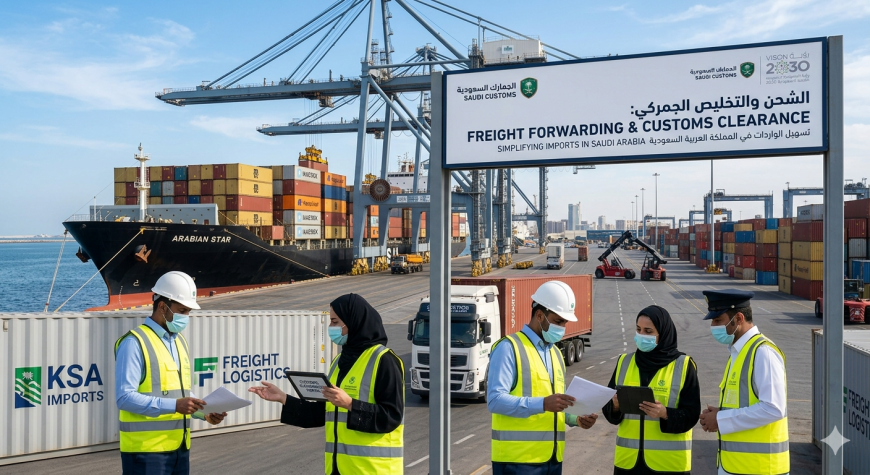
Saudi Arabia has become one of the Middle East's most dynamic trade hubs, attracting businesses from around the world. However, navigating import customs clearance requirements can be challenging without a clear understanding of freight forwarding, customs documentation, international shipping procedures, trade compliance standards, cargo handling regulations, and supply chain management practices. Businesses importing goods into the Kingdom must ensure that shipments meet all regulatory requirements while maintaining efficiency, cost control, and timely delivery. By combining professional freight forwarding services with effective customs clearance strategies, companies can simplify the import process and avoid costly delays.
Understanding Freight Forwarding in Saudi Arabia
Freight forwarding is the coordination and management of goods transported from one location to another through various transportation methods. Freight forwarders act as intermediaries between exporters, importers, carriers, ports, and customs authorities.
Their role extends beyond transportation booking. They manage logistics planning, shipment tracking, warehousing arrangements, documentation preparation, and communication among all parties involved in the supply chain.
In Saudi Arabia, freight forwarding plays a critical role due to the country's strategic position connecting Asia, Europe, and Africa. Businesses rely on experienced logistics providers to move products efficiently through air, sea, and land transportation networks.
What Is Customs Clearance?
Customs clearance is the process of obtaining approval from government authorities for imported goods to enter a country legally. The procedure ensures that shipments comply with applicable regulations, duties, taxes, and product standards.
For imports entering Saudi Arabia, customs authorities verify:
-
Product classification
-
Commercial invoices
-
Shipping documents
-
Country of origin information
-
Regulatory compliance requirements
-
Applicable duties and taxes
Successful clearance allows goods to proceed from ports, airports, or border crossings to their final destination.
Why Freight Forwarding and Customs Clearance Matter
Importing products involves multiple stakeholders, regulations, and documentation requirements. Any mistake can result in shipment delays, storage charges, financial penalties, or cargo rejection.
Professional freight forwarding and customs support provide several advantages:
-
Faster shipment processing
-
Improved compliance with regulations
-
Reduced transportation risks
-
Better supply chain visibility
-
Cost-effective logistics management
-
Minimized customs delays
Businesses that integrate both services often experience smoother import operations and enhanced customer satisfaction.
The Saudi Arabian Import Landscape
Saudi Arabia's growing economy depends heavily on imported goods, including:
-
Industrial machinery
-
Construction materials
-
Consumer electronics
-
Automotive components
-
Medical equipment
-
Food products
-
Retail merchandise
As trade volumes continue to increase, authorities have introduced digital platforms and regulatory frameworks to streamline import procedures while maintaining quality and safety standards.
Importers must remain aware of changing requirements to ensure uninterrupted access to the Saudi market.
Key Stages of the Import Process
1. Shipment Planning
Every successful import begins with proper planning.
Businesses should determine:
-
Product specifications
-
Shipping method
-
Delivery timeline
-
Budget requirements
-
Compliance obligations
Early planning reduces unexpected costs and operational disruptions.
2. Documentation Preparation
Accurate paperwork is one of the most important aspects of importing goods.
Common documents include:
-
Commercial invoice
-
Packing list
-
Bill of lading
-
Certificate of origin
-
Product certificates
-
Insurance documents
Incomplete or inaccurate paperwork often leads to customs complications.
3. Cargo Transportation
Goods may be transported through:
Sea Freight
Suitable for large-volume shipments and cost-sensitive cargo.
Benefits include:
-
Lower transportation costs
-
Large cargo capacity
-
Suitable for heavy goods
Air Freight
Ideal for urgent shipments requiring fast delivery.
Advantages include:
-
Short transit times
-
Enhanced shipment security
-
Reliable scheduling
Land Freight
Used primarily for regional transportation and cross-border trade.
Land transport provides flexibility for various cargo types and delivery requirements.
4. Customs Declaration
Before goods enter Saudi Arabia, import declarations must be submitted through approved systems.
Authorities review shipment details and determine:
-
Duty assessments
-
Tax obligations
-
Product compliance status
-
Inspection requirements
Proper declarations help prevent clearance delays.
5. Cargo Inspection
Certain shipments may undergo inspection.
Inspections verify:
-
Product accuracy
-
Documentation consistency
-
Regulatory compliance
-
Safety requirements
Inspections are a normal part of the import process and help maintain market standards.
6. Release and Delivery
After approval, cargo is released and transported to warehouses, distribution centers, or customer locations.
Timely delivery ensures business continuity and inventory availability.
Common Customs Clearance Challenges
Despite digital advancements, importers may still encounter various obstacles.
Documentation Errors
Incorrect product descriptions, missing information, or mismatched records can delay approvals.
Product Classification Issues
Incorrect tariff classification may result in inaccurate duty calculations and compliance concerns.
Regulatory Non-Compliance
Products that fail to meet applicable standards may face rejection or additional inspections.
Delayed Certificate Approvals
Some products require conformity assessments and certifications before entry.
Unexpected Costs
Storage fees, demurrage charges, and inspection expenses can increase overall import costs.
Understanding these challenges helps businesses prepare proactively.
How Freight Forwarders Simplify Import Operations
Professional freight forwarders bring expertise and coordination to complex logistics activities.
Route Optimization
They select efficient transportation routes based on:
-
Cost considerations
-
Delivery timelines
-
Cargo characteristics
-
Seasonal shipping conditions
Documentation Management
Experienced providers ensure required paperwork is completed accurately and submitted on time.
Shipment Tracking
Modern logistics systems provide real-time visibility throughout the transportation process.
Businesses can monitor:
-
Cargo location
-
Transit progress
-
Delivery milestones
-
Potential delays
Risk Management
Forwarders help reduce risks associated with:
-
Cargo damage
-
Transportation disruptions
-
Regulatory changes
-
Documentation issues
This support improves overall supply chain reliability.
Importance of Regulatory Compliance
Saudi authorities maintain strict standards for imported products.
Compliance involves meeting requirements related to:
-
Product safety
-
Quality standards
-
Labeling regulations
-
Technical specifications
-
Environmental requirements
Failure to comply may result in:
-
Shipment detention
-
Financial penalties
-
Product recalls
-
Market access restrictions
Businesses should establish robust compliance procedures before importing goods.
Technology Transforming Import Processes
Digital transformation has significantly improved logistics and customs operations.
Electronic Documentation
Digital submission reduces paperwork and accelerates approval timelines.
Automated Tracking Systems
Advanced tracking technologies improve shipment visibility and operational planning.
Integrated Logistics Platforms
Modern systems connect transportation providers, customs authorities, and importers through centralized platforms.
Benefits include:
-
Faster communication
-
Reduced errors
-
Better operational efficiency
-
Enhanced transparency
Technology continues to reshape global trade and supply chain management.
Strategies for Faster Customs Clearance
Businesses can improve clearance efficiency by adopting several best practices.
Maintain Accurate Records
Ensure all shipment information is complete and consistent across documents.
Verify Product Requirements
Understand applicable regulations before shipping goods.
Use Reliable Logistics Partners
Experienced service providers help avoid common compliance and documentation mistakes.
Monitor Regulatory Updates
Import requirements may change due to new standards or government initiatives.
Plan Ahead
Allow sufficient time for inspections, certifications, and administrative procedures.
Proactive planning significantly reduces delays.
Benefits of Professional Freight Forwarding Services
Partnering with experienced logistics providers offers numerous advantages.
Reduced Administrative Burden
Businesses can focus on core operations while specialists manage transportation and customs procedures.
Cost Efficiency
Optimized shipping strategies help control transportation and storage expenses.
Improved Delivery Performance
Professional coordination enhances shipment reliability and customer satisfaction.
Better Compliance Management
Specialists stay informed about evolving regulations and industry standards.
Scalability
As import volumes grow, freight forwarding partners can support expanding logistics requirements.
Supporting Saudi Arabia's Vision 2030
Saudi Arabia's Vision 2030 initiative emphasizes economic diversification, trade expansion, and infrastructure development.
Major investments in ports, logistics centers, transportation corridors, and digital platforms are strengthening the country's position as a global logistics hub.
Importers benefit from:
-
Improved infrastructure
-
Enhanced customs processes
-
Greater trade efficiency
-
Expanded logistics capabilities
These developments create new opportunities for businesses seeking to enter or expand within the Saudi market.
Choosing the Right Freight Forwarding Partner
Selecting the right logistics provider can significantly impact import success.
Consider factors such as:
-
Industry experience
-
Regulatory expertise
-
Service network
-
Technology capabilities
-
Customer support
-
Compliance knowledge
A strong logistics partner serves as a valuable extension of a company's supply chain strategy.
The Future of Imports in Saudi Arabia
As international trade continues to evolve, import procedures are becoming increasingly efficient through automation, digitalization, and enhanced regulatory coordination.
Future developments may include:
-
Expanded electronic clearance systems
-
Faster cargo processing
-
Greater supply chain transparency
-
Advanced analytics and tracking tools
-
Enhanced cross-border trade integration
Businesses that embrace these innovations will be better positioned to compete in an increasingly connected global marketplace.
Conclusion
Freight forwarding and customs clearance are essential components of successful import operations in Saudi Arabia. From transportation planning and documentation management to regulatory compliance and cargo delivery, every stage requires careful coordination and expertise.
By working with experienced logistics professionals, maintaining accurate records, and staying informed about evolving regulations, businesses can simplify import procedures and minimize operational risks. As Saudi Arabia continues to strengthen its logistics infrastructure and trade ecosystem, companies that invest in efficient import strategies will enjoy faster market access, improved supply chain performance, and long-term business growth.
Effective freight forwarding and customs clearance are not just operational necessities—they are strategic tools that help businesses navigate international trade with confidence and efficiency.