PLC Controllers vs. Traditional Control Systems: A Comparison
Many engineers now lean toward PLC Controllers because they allow quick program changes, help track performance in real time, give clear fault messages, and connect easily with sensors and other smart devices. This gives companies better control and makes operations smoother.
 amitkumar
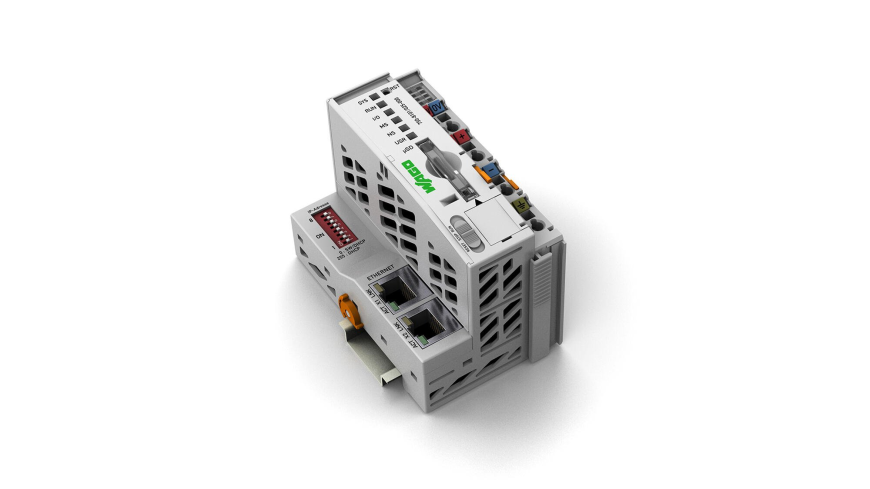
Factories and machines need systems that tell them what to do. For years, people used relay panels with wires and switches to control them. Later, PLC Controllers came in as a smarter option. They replaced heavy wiring with software, which made changes faster and less messy.
Both systems still exist today. Comparing them matters because industries now want control systems that are flexible, reliable, and easy to maintain. The demands of automation are pushing many businesses to rethink their choices.
Many engineers now lean toward PLC Controllers because they allow quick program changes, help track performance in real time, give clear fault messages, and connect easily with sensors and other smart devices. This gives companies better control and makes operations smoother.
Understanding Traditional Control Systems
Traditional control systems are built with relays, timers, and wires. Each relay represents one function. If you want to change the function, you have to physically change the wiring or add parts.
These systems were common before PLCs became popular. They were often used in elevators, simple conveyor belts, and basic machine setups.
Strengths:
-
Easy for trained electricians to understand and work with.
-
Cheap to set up for very small jobs.
Limitations:
-
They take up a lot of space because of the wiring.
-
Making changes means adding or replacing hardware.
-
Troubleshooting can be slow because faults are not always clear.
-
Parts can wear out over time, which means more maintenance.
What Are PLC Controllers?
A PLC is like a small industrial computer built to run machines. It reads inputs such as sensors or switches, processes them through a program, and then sends signals to outputs like motors or valves.
The best thing about PLC Controllers is that you don’t have to rewire when you want a change. You just reprogram it. They are modular, so you can add more inputs and outputs when needed. They are also scalable, which means the same type of PLC can run a small machine or an entire production line.
You’ll find PLCs in industries like automotive, packaging, water treatment, and energy plants. They work best in places where accuracy, reliability, and flexibility matter.
Key Differences Between PLC Controllers and Traditional Control Systems
-
Flexibility and Reprogramming Relays need rewiring for every change. PLCs let you edit software and apply changes in minutes.
-
Complexity Handling PLCs can handle hundreds of variables at once. Relay systems become messy and unreliable when the process is complex.
-
Space and Design Efficiency Relay panels are bulky. PLCs are compact and can replace racks of relays.
-
Maintenance and Troubleshooting Relays often require manual checking. PLCs show faults on the screen, making it easier to find and fix problems.
-
Cost Efficiency Relays may look cheaper at first, but PLCs usually save money in the long run. Less downtime, easier upgrades, and fewer errors make them cost-effective over time.
Advantages of PLC Controllers Over Traditional Systems
-
Faster installation because there is less wiring.
-
Upgrades are quicker since most changes are software-based.
-
More reliable because PLCs are designed for tough industrial use.
-
Real-time monitoring helps spot issues before they cause downtime.
-
They connect with sensors, smart devices, and larger control networks, which makes factories more efficient.
Where Traditional Systems Still Work
Traditional systems are not gone. They are still useful in:
-
Small machines that rarely change.
-
Projects where the budget is very tight.
-
Simple operations with little variation.
In these cases, relays are enough. But if the system grows or needs more control, relays quickly reach their limit.
The Role of PLC Controllers in Modern Automation
Today, PLC Controllers are the heart of modern automation. They connect machines with sensors, computers, and even cloud systems. In industries like robotics, energy, and infrastructure, PLCs keep operations smooth and efficient.
They are also future-ready. Many PLCs now work with artificial intelligence tools, smart sensors, and advanced analytics. This makes them a long-term solution for industries that want to stay competitive and move toward smart factories.
Conclusion
Traditional systems had their place, and in some areas, they still do. They are simple and cost-effective for small tasks. But PLC Controllers clearly stand out when you need flexibility, real-time data, and efficiency.
They reduce downtime, make upgrades easier, and prepare factories for the future. Relays may still work in niche situations, but PLCs are now the backbone of automation and will continue shaping the way industries run.