Patient Care Essentials: Gel Pads, Heel Pads & WC Seat Covers Explained
Discover how gel pads, heel pads, and WC seat covers improve patient comfort, prevent pressure injuries, and support hygiene and safety in hospitals, clinics, and home care.
 lenvitz
Good patient care isn't just about the treatment itself, it's also about the small, everyday products that prevent discomfort and injury during recovery or a long hospital stay. Items like gel pads, heel supports, and hygiene covers rarely get much attention, but they make a real difference to a patient's comfort and safety.
Why Gel Pads Matter in Patient Care
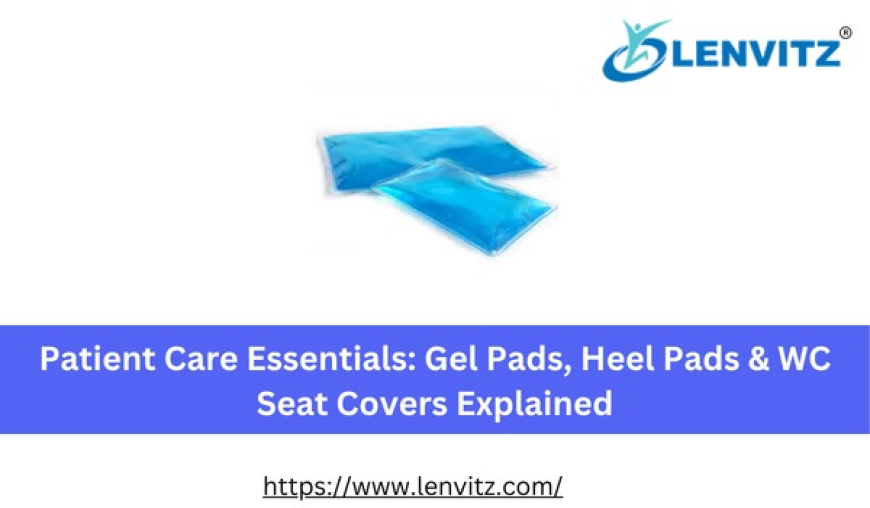
gel pads are cushioned supports used to reduce pressure on specific parts of the body, whether during surgery, in a hospital bed, or in a wheelchair. The gel material distributes body weight more evenly than standard foam, which helps prevent pressure sores in patients who stay in one position for extended periods.
Where Gel Pads Are Commonly Used
● Operating tables during surgery
● Hospital beds for long-stay patients
● Wheelchairs and recovery chairs
Patient Positioning Gel Pads in the Operating Room
In a surgical setting specifically, Patient Positioning Gel Pads play an even more critical role. Patients are unconscious and unable to shift their own position during a procedure, so these pads are placed under the head, back, hips, and limbs to prevent pressure injuries and nerve damage that can occur when the body stays still for hours at a time.
The Role of a Heel Pad in Preventing Pressure Injuries
The heels are one of the most common sites for pressure sores, especially in patients who are bedridden or immobile for long periods. A Heel Pad lifts and cushions the heel, keeping it off the surface of the bed or table entirely rather than just softening the contact. This small piece of equipment is often the difference between a patient developing a pressure injury and staying comfortable throughout a long stay or procedure.
Nursing staff often check heel positioning as part of routine care rounds, since even a well-designed pad needs to be checked periodically to make sure it's still doing its job as the patient shifts or the shift changes.
Why a WC Seat Cover Matters for Hygiene and Comfort
Not every patient care product is about pressure relief. A WC Seat Cover protects patients from direct contact with shared bathroom surfaces, an important hygiene measure in hospitals, clinics, and care facilities where infection control is a constant priority. For patients with limited mobility or weakened immunity, this small barrier reduces the risk of picking up an infection from a surface used by multiple people.
Choosing the Right Products for Your Facility
Hospitals and care facilities benefit from stocking a proper range of these essentials rather than treating them as optional extras. Matching the right pad, support, or cover to each patient's specific needs, mobility level, procedure type, length of stay, makes a measurable difference to comfort, hygiene, and recovery outcomes.
It's also worth reviewing supply quality regularly. A product that's cheap upfront but wears out quickly or fails to provide adequate support often ends up costing more in the long run, both financially and in terms of patient outcomes.
Final Thoughts
These aren't the products that make headlines in healthcare, but they're the ones that quietly prevent complications every single day. Investing in reliable gel pads, heel supports, and hygiene covers is a simple way to improve patient comfort and safety across any care setting.