How PTL Logistics Is Reshaping Freight Across India
Discover how PTL logistics is improving freight efficiency in India through shared transport, technology, and smarter supply chains.
 johnryan01
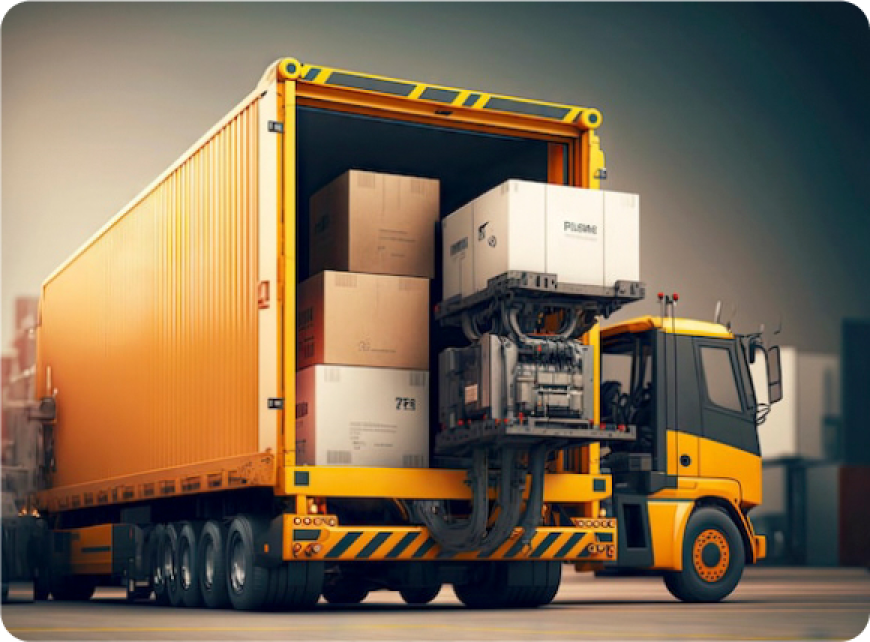
India’s freight transportation landscape is evolving rapidly as businesses look for faster, more flexible, and cost-efficient ways to move goods across the country. Partial Truck Load (PTL) logistics has emerged as an important solution for manufacturers, retailers, distributors, and e-commerce companies that do not require an entire truck for every shipment. By allowing multiple consignments to share the same vehicle, PTL services improve asset utilization while reducing transportation costs for businesses of all sizes.
Growing industrial activity, expanding regional supply chains, and the rapid rise of online commerce have significantly increased demand for flexible freight movement. Businesses seeking insights into road freight and PTL logistics trends are closely tracking how technology, infrastructure development, and changing customer expectations are transforming transportation networks across India. These developments are encouraging logistics providers to enhance operational efficiency while offering greater shipment visibility.
Unlike Full Truck Load (FTL) transportation, PTL enables companies to pay only for the cargo space they require. This model is especially valuable for small and medium-sized enterprises that regularly ship moderate quantities without waiting to accumulate a full truckload. As supply chains become more responsive, businesses increasingly prioritize faster delivery cycles over large, infrequent shipments.
Why PTL Services Continue to Gain Momentum
Several structural changes are contributing to the growing adoption of PTL logistics. India's manufacturing sector continues to expand, while retail distribution networks are reaching deeper into Tier II and Tier III cities. At the same time, digital commerce has created a steady flow of smaller, time-sensitive shipments that require efficient transportation between warehouses, fulfillment centers, and distribution hubs.
Infrastructure investments are also improving freight movement. New expressways, logistics parks, and upgraded highway corridors are helping reduce transit times while improving route reliability. Digital toll collection systems and modern fleet management platforms further enable transport operators to optimize vehicle utilization, reduce idle time, and improve delivery accuracy. According to MarkNtel Advisors, the India Partial Truck Load sector is projected to grow at a CAGR of approximately 9.7% during the 2026–2030 forecast period, supported by expanding e-commerce activity and infrastructure development.
The Growing Role of Technology
Technology has become one of the biggest differentiators in modern logistics operations. Real-time GPS tracking, artificial intelligence-based route optimization, electronic proof of delivery, predictive maintenance, and digital freight management systems help logistics companies improve operational transparency while minimizing delays.
Fleet telematics also provides transport operators with valuable insights into fuel consumption, vehicle health, driver behavior, and route efficiency. These capabilities not only reduce operating costs but also improve customer satisfaction by providing accurate shipment tracking throughout the delivery journey.
E-Commerce Is Driving Shipment Fragmentation
India's expanding online retail ecosystem has fundamentally changed freight movement patterns. Rather than transporting large bulk consignments, logistics companies increasingly handle multiple smaller shipments destined for different locations. PTL networks are well suited for this distribution model because they consolidate freight from multiple customers while maintaining cost efficiency.
This trend extends beyond e-commerce into sectors such as pharmaceuticals, FMCG, consumer electronics, automotive components, and industrial manufacturing. Businesses in these industries often require frequent replenishment rather than bulk inventory movement, making PTL an attractive logistics solution.
Operational Challenges Remain
Despite strong growth prospects, PTL operators continue to face several operational challenges. Driver shortages remain one of the industry's most significant concerns, affecting fleet availability and delivery schedules. Rising fuel costs, increasing maintenance expenses, and the complexity of coordinating multiple shipments within a single route also require continuous operational improvements.
Efficient warehouse management, optimized load planning, and better coordination across distribution hubs are becoming essential for maintaining service quality. Companies investing in digital logistics platforms and automated planning systems are generally better positioned to manage these complexities while improving profitability.
Future Outlook
The future of PTL logistics in India will likely be shaped by continued infrastructure expansion, greater digitalization, and increasing adoption of data-driven logistics management. As businesses continue optimizing inventory strategies and customer expectations for faster deliveries rise, demand for flexible freight solutions is expected to remain strong.
Industry participants are also focusing on sustainability by improving route efficiency, reducing empty return trips, and maximizing truck utilization. These operational improvements help lower transportation costs while supporting broader environmental goals through reduced fuel consumption and optimized fleet performance. Ongoing investments in logistics infrastructure and technology are expected to strengthen the competitiveness of India's freight ecosystem over the coming years.