Ophthalmology – Complete Guide to Modern Eye Health
 hannhjames
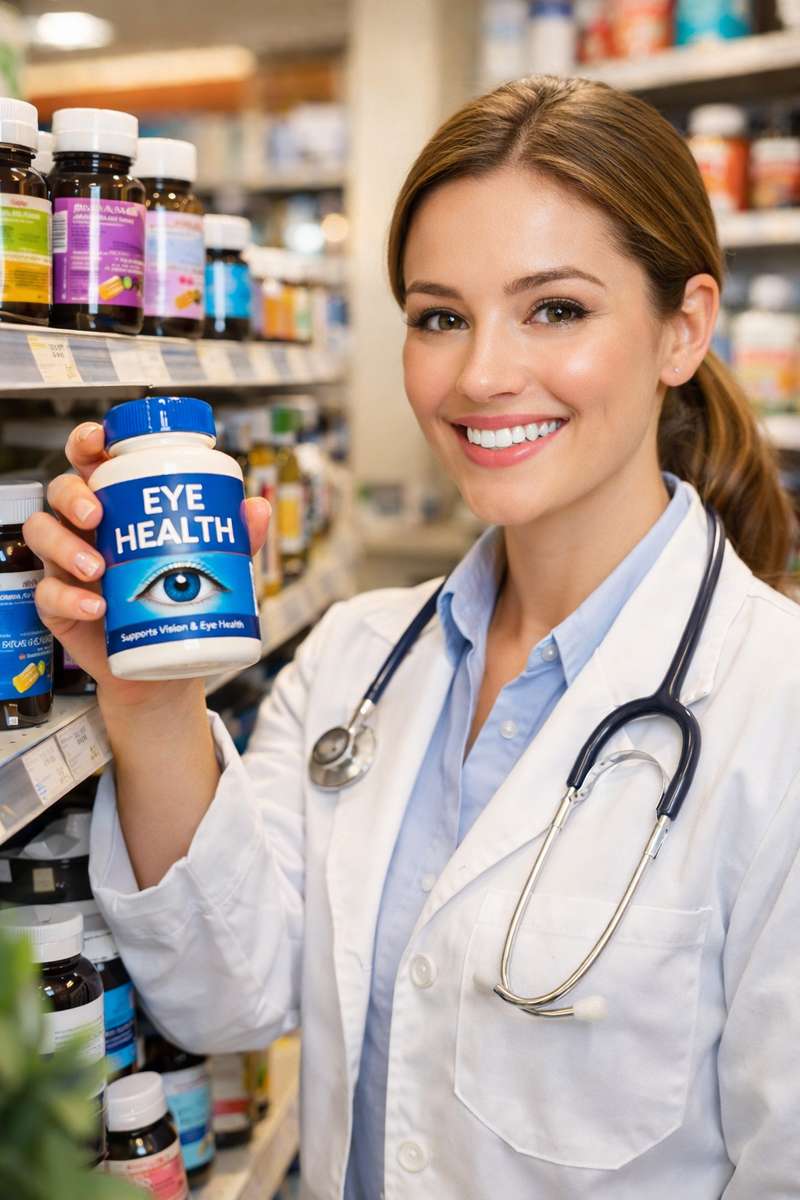
Eye health is one of the most important aspects of overall well-being, yet it is often neglected in daily life. In today’s digital age, people spend hours in front of screens, work under artificial lighting, and are exposed to environmental stress that continuously impacts vision quality. As a result, issues such as eye strain, dryness, irritation, blurred vision, and long-term visual fatigue have become increasingly common.
Ophthalmology, the medical science dedicated to eye care, plays a crucial role in diagnosing and treating vision disorders. However, modern eye care is not limited to clinical treatments alone. Many individuals are now combining professional ophthalmic care with lifestyle improvements and nutritional support to achieve better long-term results.
This guide provides a complete understanding of ophthalmology, its strengths, limitations, and how a holistic approach can support long-term eye health and visual comfort.
Understanding Ophthalmology
Ophthalmology is the branch of medicine that focuses on the anatomy, function, and diseases of the eye. Ophthalmologists are medical doctors trained to diagnose and treat a wide range of eye conditions, from simple refractive errors to complex diseases requiring surgery.
Common areas of ophthalmology include:
- Vision correction (myopia, hyperopia, astigmatism)
- Cataract diagnosis and treatment
- Glaucoma management
- Retina-related conditions
- Dry eye syndrome
- Eye infections and inflammation
Through advanced diagnostic tools and medical procedures, ophthalmology helps preserve vision and prevent serious eye-related complications.
The Importance of Modern Eye Care
Vision plays a vital role in everyday life, influencing work productivity, learning ability, and overall quality of life. Even minor eye discomfort can significantly affect concentration and daily performance.
Modern ophthalmology provides essential care by:
- Detecting early signs of eye diseases
- Correcting vision problems
- Managing chronic eye conditions
- Preventing vision loss
- Providing surgical interventions when necessary
Despite these advancements, modern lifestyles have introduced new challenges that require additional attention beyond clinical treatment.
How Lifestyle Affects Eye Health
Daily habits have a direct impact on vision quality. Some of the most common modern lifestyle factors affecting eye health include:
Excessive Screen Exposure
Long hours spent on computers, smartphones, and tablets contribute to digital eye strain, leading to fatigue and blurred vision.
Poor Lighting Conditions
Working in dim or overly bright environments can strain the eyes and reduce visual comfort.
Dry Indoor Air
Air conditioning and heating systems can reduce moisture in the eyes, causing dryness and irritation.
Lack of Sleep
Poor sleep affects eye recovery and increases sensitivity to light and fatigue.
Nutritional Deficiencies
Lack of essential nutrients can weaken eye tissues and reduce long-term visual performance.
These factors often contribute to chronic discomfort that cannot always be fully resolved through medical treatment alone.
Limitations of Conventional Ophthalmology Treatments
While ophthalmology is highly effective in diagnosing and treating eye diseases, it also has certain limitations when it comes to long-term wellness.
Symptom-Focused Approach
Many treatments focus on relieving symptoms such as redness, dryness, or irritation rather than addressing underlying causes.
Dependence on Medication
Some conditions require long-term use of eye drops or medications, which may not always restore natural eye balance.
Temporary Relief
Certain treatments provide short-term comfort but may not prevent recurring eye strain.
Possible Side Effects
Extended use of some eye medications may lead to:
- Burning sensations
- Eye dryness
- Light sensitivity
- Mild irritation
Cost and Accessibility
Advanced eye treatments, surgeries, and repeated consultations can be expensive for many individuals.
Because of these limitations, people are increasingly exploring complementary approaches to support eye health.
The Need for a Holistic Eye Health Approach
A holistic approach eye care combines medical treatment with lifestyle habits and nutritional support. This method focuses not only on treating eye problems but also on preventing them and improving overall eye function.
A complete eye care strategy includes:
- Regular ophthalmology check-ups
- Healthy nutrition
- Proper hydration
- Screen management habits
- Eye hygiene practices
- Natural eye support nutrients
By integrating these elements, individuals can support long-term vision health more effectively.
Nutrition and Eye Health Connection
The eyes require specific nutrients to function properly and maintain long-term clarity. Nutrition plays a key role in protecting eye tissues and supporting visual performance.
Important eye-supporting nutrients include:
Lutein and Zeaxanthin
These antioxidants help filter harmful light and protect the retina from damage.
Vitamin A
Essential for night vision and maintaining healthy retinal function.
Vitamin C and E
Protect eye cells from oxidative stress and environmental damage.
Zinc
Supports vitamin A metabolism and overall visual function.
Omega-3 Fatty Acids
Help maintain tear production and reduce dry eye symptoms.
A balanced diet rich in these nutrients contributes significantly to eye health and comfort.
Natural Eye Care Practices
Along with medical care and nutrition, simple daily practices can help reduce eye strain and improve comfort.
Eye Hygiene
Keeping eyelids clean helps prevent irritation and supports healthy tear function.
Screen Breaks
Following the 20-20-20 rule (looking away every 20 minutes) helps reduce digital strain.
Proper Hydration
Drinking enough water supports tear production and eye moisture balance.
Warm Compresses
Can help relieve dryness and improve oil gland function in the eyelids.
Adequate Sleep
Allows eyes to rest and recover from daily stress.
These habits help maintain comfort and support long-term visual health.
Role of Eye Health Supplements
Eye health supplements are designed to provide essential nutrients that may not be consumed in sufficient amounts through diet alone. These supplements support retinal health, reduce oxidative stress, and improve visual clarity.
Key benefits include:
- Supporting sharper vision
- Reducing eye fatigue
- Improving tear production
- Enhancing retinal protection
- Supporting long-term eye function
- Reducing discomfort from screen exposure
When combined with lifestyle improvements, these supplements help strengthen natural eye defenses.
Why a Combined Approach Works Best
Relying only on medical treatment or only on natural methods is often not enough. A combined approach provides better long-term results.
This includes:
- Professional ophthalmology care
- Balanced nutrition
- Healthy daily habits
- Preventive eye care
- Nutritional supplementation
Together, these strategies help improve eye comfort, reduce strain, and maintain clearer vision over time.
Benefits of Complete Eye Care Strategy
A well-rounded eye care approach provides multiple benefits:
- Reduced eye strain and fatigue
- Improved visual clarity
- Better adaptation to screens and lighting
- Enhanced long-term eye protection
- Improved comfort during daily tasks
- Reduced dryness and irritation
- Stronger overall eye function
These benefits contribute to better quality of life and long-term vision stability.
Frequently Asked Questions
What is ophthalmology?
Ophthalmology is the medical field that focuses on diagnosing and treating eye diseases and vision problems.
Can lifestyle affect eye health?
Yes, screen time, diet, sleep, and environment all significantly impact eye health.
Are eye supplements effective?
They may help support eye health by providing essential nutrients needed for vision function.
How can I reduce eye strain?
Regular breaks, proper lighting, and screen management can help reduce strain.
Is long-term eye health possible?
Yes, with proper care, nutrition, and medical support, long-term eye health can be maintained.
Conclusion
Ophthalmology remains a vital part of modern healthcare, providing essential diagnosis and treatment for a wide range of eye conditions. However, in today’s digital and fast-paced lifestyle, maintaining healthy vision requires more than clinical care alone.
A complete eye health strategy combines medical expertise, healthy habits, proper nutrition, and preventive care. This integrated approach helps reduce eye strain, improve visual clarity, and support long-term ocular wellness.
By taking consistent steps toward better eye care, individuals can protect their vision and enjoy healthier eyesight throughout life.
Disclaimer
This article is for informational purposes only and should not be considered medical advice. Always consult a qualified healthcare professional for any eye-related concerns or treatments.