Liver Function Test: Purpose, Procedure, Preparation, Results & Benefits
Book a Liver Function Test (LFT) online with home sample collection. Get accurate reports, fast results, and reliable liver health assessment at an affordable price.
 redcliffelabs
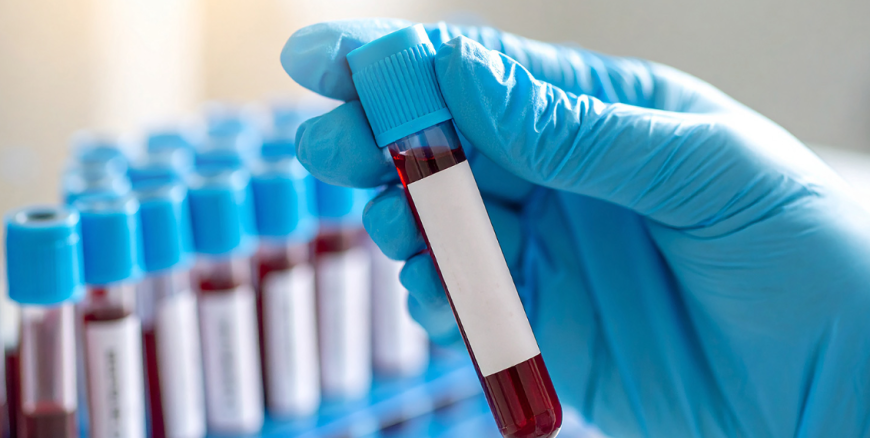
A Liver Function Test (LFT) is a group of blood tests used to evaluate how well your liver is functioning. These tests measure liver enzymes, proteins, and bilirubin levels to help detect liver inflammation, infection, damage, or other liver-related conditions. A Liver Function Test may also be used to monitor ongoing liver disease or assess the effects of certain medications.
This article explains the Liver Function Test, its purpose, procedure, preparation, result interpretation, and benefits.
What Is a Liver Function Test?
A Liver Function Test is a panel of blood tests that provides information about the health of your liver. Rather than being a single test, it includes several measurements that help healthcare providers assess liver function and identify possible liver disorders.
Common parameters included in an LFT are:
- Alanine Aminotransferase (ALT/SGPT)
- Aspartate Aminotransferase (AST/SGOT)
- Alkaline Phosphatase (ALP)
- Gamma-Glutamyl Transferase (GGT)
- Total Bilirubin
- Direct Bilirubin
- Total Protein
- Albumin
- Globulin
- Albumin/Globulin (A/G) Ratio
The exact parameters may vary slightly between laboratories.
Why Is a Liver Function Test Done?
A Liver Function Test helps to:
- Assess overall liver health
- Detect liver inflammation or damage
- Diagnose liver diseases
- Monitor chronic liver conditions
- Evaluate the effects of certain medications
- Investigate symptoms related to liver disorders
Who Should Get a Liver Function Test?
Your healthcare provider may recommend an LFT if you:
- Have persistent fatigue
- Experience yellowing of the skin or eyes (jaundice)
- Have abdominal pain or swelling
- Notice dark-coloured urine
- Experience unexplained nausea or vomiting
- Consume alcohol regularly
- Have a family history of liver disease
- Need routine monitoring for liver-related conditions
Symptoms That May Require a Liver Function Test
Common symptoms include:
- Jaundice
- Fatigue
- Weakness
- Loss of appetite
- Nausea
- Vomiting
- Pain in the upper right abdomen
- Dark urine
- Pale stools
- Itchy skin
How Is a Liver Function Test Performed?
The procedure is simple and quick.
- A healthcare professional collects a blood sample from a vein in your arm.
- The sample is sent to the laboratory.
- Various liver-related parameters are analysed.
- Reports are generally available within 24 hours, depending on the laboratory.
Home sample collection is also available through many diagnostic providers.
Preparation for a Liver Function Test
Preparation may vary depending on your doctor's advice.
General recommendations include:
- Fasting may be recommended by some laboratories.
- Inform your healthcare provider about any medications or supplements you are taking.
- Avoid alcohol before the test if advised.
- Follow the laboratory's instructions carefully.
Understanding Liver Function Test Results
Only a qualified healthcare professional should interpret your results.
Generally:
- Normal Results: Liver enzyme and protein levels are within the expected reference range.
- Abnormal Results: Elevated or reduced values may indicate liver inflammation, infection, bile duct disorders, medication effects, fatty liver disease, or other medical conditions. Additional investigations may be required to determine the exact cause.
An abnormal LFT does not always mean serious liver disease, as several factors can influence the results.
Conditions That May Affect Liver Function
A Liver Function Test may help evaluate:
- Fatty liver disease
- Hepatitis
- Cirrhosis
- Alcohol-related liver disease
- Bile duct disorders
- Liver infections
- Drug-induced liver injury
- Certain metabolic disorders
The test alone cannot confirm a specific diagnosis and should be interpreted alongside clinical findings.
Benefits of a Liver Function Test
A Liver Function Test offers several benefits:
- Early detection of liver problems
- Helps monitor existing liver disease
- Supports treatment planning
- Evaluates medication-related liver effects
- Assesses overall liver health
- Simple, quick, and minimally invasive blood test
Tips to Keep Your Liver Healthy
To support good liver health:
- Eat a balanced and nutritious diet.
- Limit alcohol consumption.
- Maintain a healthy body weight.
- Exercise regularly.
- Avoid unnecessary medications unless prescribed.
- Get vaccinated against hepatitis when recommended.
- Practice good hygiene and safe food habits.
When Should You Consult a Doctor?
Seek medical advice if you experience:
- Persistent jaundice
- Severe abdominal pain
- Unexplained fatigue
- Swelling in the abdomen
- Persistent nausea or vomiting
- Dark urine or pale stools
- Abnormal Liver Function Test results
Early evaluation and treatment can help prevent complications.
Conclusion
A Liver Function Test (LFT) is an important blood test that helps assess liver health by measuring enzymes, proteins, and bilirubin levels. It plays a valuable role in detecting liver disorders, monitoring ongoing conditions, and evaluating treatment response. If you have symptoms of liver disease or your doctor recommends routine screening, getting an LFT can support early diagnosis and timely medical care. Always discuss your results with a qualified healthcare professional for accurate interpretation and appropriate management.