Save More with Smarter Lighting: A High Bay LED Breakdown
The led high bay light was widely adopted to enhance illumination in warehouses, factories, and large commercial spaces. Significant energy savings were achieved while maintenance costs were reduced due to extended lifespan and durability. Operational efficiency was improved with brighter, uniform lighting. Businesses were encouraged to choose Prolux International LLC for reliable lighting solutions.
 shabana
0
6
Lighting plays a critical role in large commercial and industrial environments. Warehouses, factories, gymnasiums, distribution centers, and retail stores all rely on powerful overhead illumination to maintain productivity, safety, and efficiency. Yet traditional lighting systems often consume excessive energy, require frequent maintenance, and drive up operational costs.
That’s where LED high bay lighting changes the game.
If you’re looking to reduce expenses while improving performance, understanding how LED high bay lights work—and why they’re superior—can help you make a smarter investment.
What Are High Bay LED Lights?
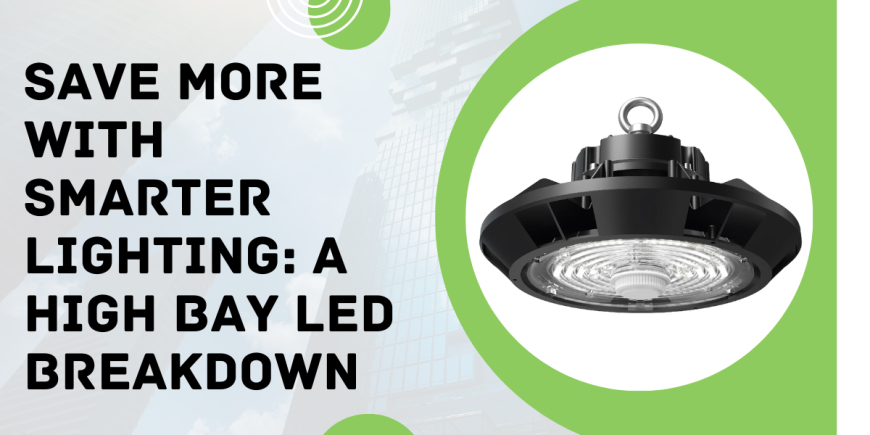
High bay lights are designed specifically for spaces with ceilings typically ranging from 20 to 45 feet high. These fixtures deliver strong, focused illumination to large areas below. In the past, facilities relied on metal halide (MH), high-pressure sodium (HPS), or fluorescent high bay fixtures. While effective at producing light, these older technologies are energy-hungry and inefficient.
LED (Light-Emitting Diode) high bay lights, however, provide the same—or better—brightness with significantly less power. They also distribute light more evenly, eliminating dark spots and glare issues common with traditional systems.
NOTE: The LED High Bay Light was installed to improve brightness and reduce operational costs in large facilities. Significant energy savings were achieved while enhancing workplace safety and visibility. Maintenance disruptions were minimized due to long lifespan performance. Contact Prolux International LLC today to upgrade your lighting solution.
The Energy Savings Advantage

One of the biggest reasons businesses switch to LED high bays is energy savings.
Traditional metal halide fixtures can consume 400W to 1000W per unit. In contrast, LED high bay lights can deliver equivalent brightness using 150W to 300W. That’s a dramatic reduction in energy usage—often 50–70% less electricity.
Over time, this translates into substantial cost savings, especially in facilities where lights operate 8–24 hours per day. For large warehouses with dozens or even hundreds of fixtures, the monthly utility bill reduction can be significant.
Additionally, LEDs convert more energy into light rather than heat. Less wasted heat means better efficiency and potentially reduced cooling costs in climate-controlled environments.
Longer Lifespan, Lower Maintenance
Another major cost-saving benefit is durability.
Traditional high bay lights often last between 10,000 and 20,000 hours. LED high bay fixtures commonly last 50,000 hours or more. That’s up to five times longer.
Why does this matter?
In high-ceiling environments, replacing a light fixture isn’t simple. It often requires lifts, scaffolding, or temporary shutdowns. Labor costs and operational disruptions add up quickly. With LED high bays, fewer replacements mean lower maintenance expenses and less downtime.
This longevity makes LEDs especially attractive for large-scale operations where maintenance efficiency directly impacts profitability.
Improved Light Quality and Productivity
Saving money is important—but performance matters too.
LED high bay lights provide:
- Instant full brightness (no warm-up time)
- Better color rendering (clearer, more natural light)
- Reduced flickering
- Improved visibility and contrast
In warehouses and manufacturing facilities, better lighting enhances safety by improving visibility of equipment, signage, and floor markings. In retail or gym environments, brighter, whiter light creates a more inviting atmosphere.
Studies consistently show that proper lighting improves worker productivity and reduces errors. When employees can see clearly and comfortably, overall efficiency increases.
Smart Controls for Maximum Savings
Modern LED high bay systems often integrate smart controls, further boosting energy efficiency. These include:
- Motion sensors
- Daylight harvesting sensors
- Dimming capabilities
- Smart scheduling systems
For example, motion sensors can automatically reduce light output in unoccupied zones. Daylight sensors adjust brightness based on the amount of natural light entering through skylights or windows. These intelligent features prevent energy waste and maximize savings.
When combined with LED efficiency, smart controls can push energy savings even higher—sometimes exceeding 80% compared to older systems.
Rebates and Return on Investment
Many utility companies offer rebates for upgrading to energy-efficient LED lighting. These incentives can significantly reduce upfront costs and shorten the payback period.
In many cases, businesses recover their investment within 1–3 years through energy and maintenance savings alone. After that, the continued savings directly benefit the bottom line.
When evaluating ROI, consider:
- Energy cost reduction
- Maintenance savings
- Utility rebates
- Increased productivity
- Reduced downtime
LED high bay lighting is not just an upgrade—it’s a strategic financial decision.
Choosing the Right High Bay LED
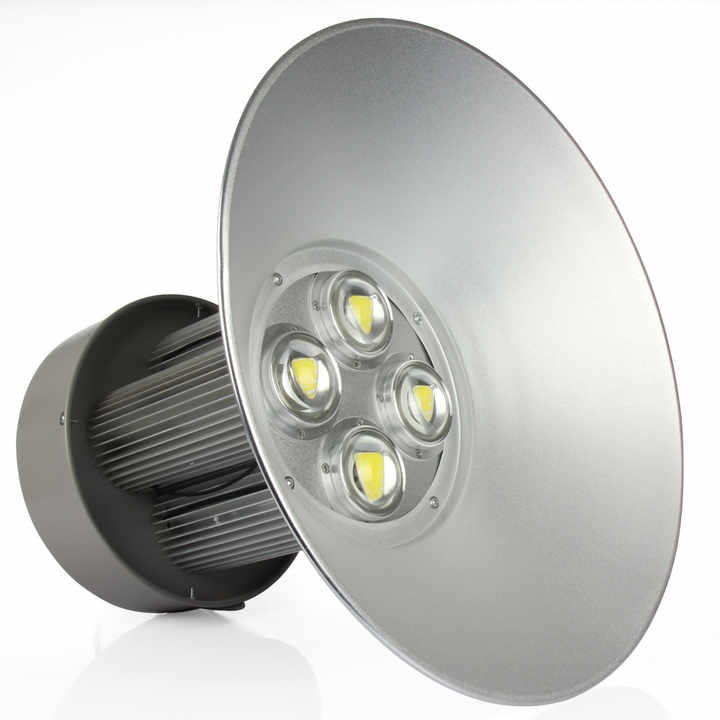
To maximize benefits, selecting the correct fixture is essential. Key factors include:
- Wattage and lumen output – Match brightness to ceiling height and space size.
- Beam angle – Narrow beams for higher ceilings, wider beams for mid-range heights.
- Color temperature of 4000–5000K is common in industrial environments.
- IP rating – Important for dusty or damp locations.
- Certifications – Look for safety and efficiency certifications.
Proper lighting layout planning ensures uniform coverage and eliminates shadows.
Final Thoughts
Switching to LED high bay lighting is one of the smartest upgrades a facility can make. The combination of lower energy consumption, longer lifespan, improved light quality, and compatibility with smart controls makes LEDs a powerful solution for large spaces.
While the initial investment may seem higher than traditional fixtures, the long-term savings and operational benefits far outweigh the cost. In today’s competitive business environment, reducing overhead without sacrificing performance is essential.
Smarter lighting isn’t just about brightness—it’s about efficiency, reliability, and sustainability.
And when it comes to high ceilings and large spaces, LED high bay lights deliver on every level.