Is Your Milwaukee Home Safe? Here's Why Radon Testing Is Essential
When it comes to keeping your home safe, there are visible threats like faulty wiring or structural issues, and then there are invisible dangers that silently threaten your family's health.
 freyaparker
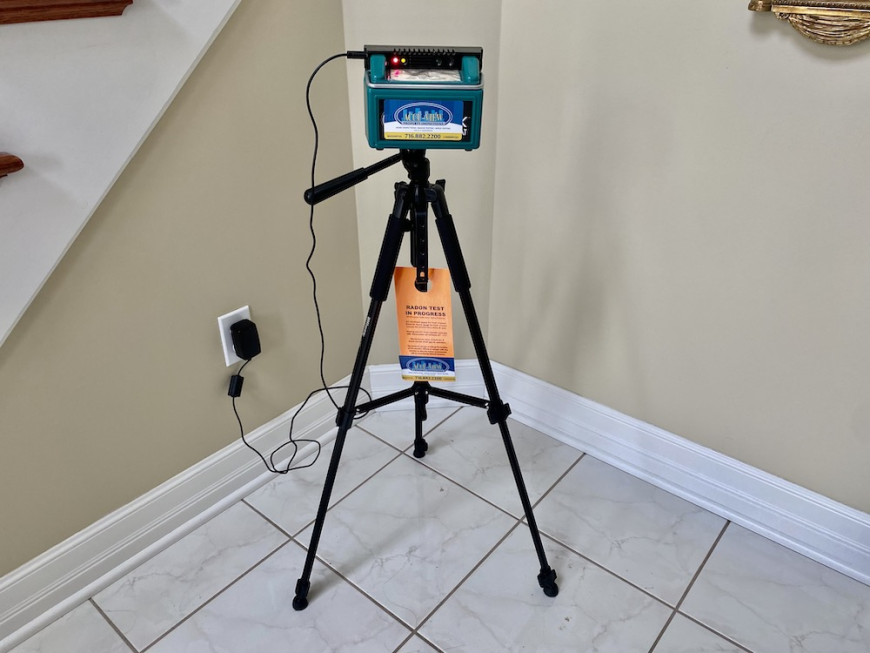
When it comes to keeping your home safe, there are visible threats like faulty wiring or structural issues, and then there are invisible dangers that silently threaten your family's health. Radon gas falls firmly into the latter category, and it's a particular concern for homeowners in our region. Radon testing Milwaukee homes has become increasingly important as awareness grows about this odorless, tasteless, and invisible radioactive gas that could be lurking in your living spaces right now.
What Exactly Is Radon and Why Should Milwaukee Residents Care?
Radon is a naturally occurring radioactive gas that forms when uranium, thorium, and radium break down in soil, rock, and water. It can enter homes through cracks in foundations, construction joints, gaps around service pipes, and even through the water supply. While radon is present everywhere outdoors in low levels, it becomes dangerous when it concentrates inside buildings, especially in homes where we spend most of our time.
Milwaukee's geology makes our area particularly susceptible to elevated radon levels. The bedrock and soil composition in southeastern Wisconsin can contain higher concentrations of uranium, which ultimately leads to the formation of radon gas. What makes this especially concerning is that, according to Wisconsin Department of Health Services data, about 1 in 10 homes in the state have elevated radon levels, higher than the EPA's action level of 4 pCi/L (picocuries per liter).
The Health Risks You Can't Afford to Ignore
The health implications of prolonged radon exposure are serious and scientifically established. Radon is the second leading cause of lung cancer in the United States after smoking, responsible for an estimated 21,000 lung cancer deaths annually. For non-smokers, it's actually the number one cause of lung cancer.
When you breathe in radon, radioactive particles can get trapped in your lungs. As these particles decay, they release small bursts of energy that can damage lung tissue and lead to cancer over time. The risk increases with higher radon levels and longer periods of exposure, making radon testing Milwaukee properties not just a good idea, but potentially a life-saving decision.
Milwaukee's Radon Reality: Local Statistics and Findings
Wisconsin's Department of Health Services has been tracking radon levels across the state for decades. Their findings show that Milwaukee County has areas with consistently elevated radon levels, with some neighborhoods showing higher concentrations than others. The geological variations throughout the county mean that even if your neighbor's home tested low for radon, yours could still have concerning levels.
Recent data shows that approximately 40% of homes tested in Wisconsin have radon levels above the EPA's action level of 4 pCi/L. This is significantly higher than the national average of about 7%, making radon awareness especially important for Wisconsin residents.
The Testing Process: What Milwaukee Homeowners Need to Know
Getting your home tested for radon is straightforward, affordable, and absolutely essential for your family's long-term health. There are two main approaches to radon testing Milwaukee properties: short-term and long-term testing.
Short-Term Testing: Quick Insights
Short-term tests remain in your home for 2-90 days, depending on the device. The most common short-term testing devices include:
-
Charcoal canisters
-
Alpha track detectors
-
Electret ion chambers
-
Continuous monitors
-
Charcoal liquid scintillation devices
These tests provide a quick snapshot of your home's radon levels. Because radon levels can fluctuate based on seasons, weather conditions, and home ventilation patterns, short-term tests give you a starting point but may not reflect your home's year-round average radon level.
Long-Term Testing: The Complete Picture
For a more accurate assessment of your home's average radon concentration, long-term tests conducted over 90+ days are recommended. These tests account for seasonal fluctuations and changing living patterns that might affect radon concentration.
Alpha track and electret ion chamber detectors are commonly used for long-term testing. While they require more patience, they provide more reliable data about your actual exposure risk over time.
DIY vs. Professional Testing
While do-it-yourself test kits are available at hardware stores and online, many Milwaukee homeowners opt for professional testing for several reasons:
-
Professionals understand the optimal placement of testing devices
-
They can ensure proper testing conditions are maintained
-
They use calibrated equipment that may be more accurate than consumer-grade options
-
They can provide immediate interpretation of results and next steps
-
Their documentation may be required for real estate transactions
Whether you choose DIY or professional testing, the important thing is to get it done. The Wisconsin Department of Health Services recommends testing all homes below the third floor, regardless of zone or location.
Mitigation Solutions: What to Do If Your Milwaukee Home Tests High
If your home tests above the EPA's action level of 4 pCi/L, don't panic. Effective mitigation systems can reduce radon levels by up to 99%, often bringing even the highest levels down to acceptable ranges.
Understanding Radon Mitigation Systems
Most radon mitigation systems in Milwaukee homes use active soil depressurization. This approach:
-
Creates a vacuum beneath your foundation using PVC piping and a specially designed radon fan
-
Captures the radon gas before it enters your home
-
Safely vents it outside where it quickly dilutes to harmless levels
Other mitigation approaches include:
-
Sealing cracks and openings in foundation floors and walls
-
Installing heat recovery ventilators to increase air exchange
-
Sub-slab suction systems that draw radon from below the concrete slab
-
Drain-tile suction that removes radon from the perimeter drain tiles
The Cost of Safety: Mitigation System Expenses
In the Milwaukee area, professional radon mitigation systems typically cost between $800 and $1,500, depending on your home's construction and the extent of the radon problem. While this represents an investment, it's relatively small compared to the potential health costs of radon exposure—not to mention the peace of mind that comes with knowing your home is safe.
Many systems can be installed in a single day with minimal disruption to your home. Once installed, they require very little maintenance beyond occasional checks to ensure the fan is operating correctly.
When to Test: Important Timing Considerations for Milwaukee Homeowners
The best time for radon testing Milwaukee homes is during the colder months when windows and doors typically remain closed. This "closed-house" condition gives you a worst-case scenario reading that represents maximum potential exposure.
However, don't postpone testing just because it's summer. Any test is better than no test, and even warm-weather results can reveal dangerous radon levels that require attention.
Testing During Real Estate Transactions
If you're buying or selling a home in Milwaukee, radon testing should be part of your process. Many home inspectors offer radon testing as an add-on service, or you can hire a dedicated radon professional. For sellers, pre-testing your home gives you the opportunity to address any issues before they become negotiation points.
Post-Mitigation Testing
After installing a mitigation system, it's essential to conduct follow-up testing to confirm the system's effectiveness. Most professionals recommend:
-
An immediate post-mitigation test
-
Another test 30 days later
-
Annual testing thereafter to ensure continued protection
Conclusion: Taking Action to Protect Your Milwaukee Home
The invisible nature of radon makes it easy to ignore, but the statistics and health risks make it clear that Milwaukee homeowners can't afford complacency. With approximately 40% of Wisconsin homes testing above recommended levels, radon awareness and testing should be a priority for every local homeowner.
Remember that radon levels can vary dramatically between homes—even between houses on the same street—due to differences in construction and geological factors beneath foundations. The only way to know if your home has a radon problem is through proper testing.
By understanding the risks, testing your home, and implementing mitigation if necessary, you're taking essential steps to protect your family's health for years to come. When it comes to radon, what you can't see absolutely can hurt you—but knowledge and action provide powerful protection against this invisible threat.