Is a Certificate III in Individual Support (Disability) Worth It? Here's Why Thousands Are Choosing This Career
Gain the skills to support people with disability through CHC33021 Certificate III in Individual Support (Disability). Start your rewarding career with DP Training.
 Zachary
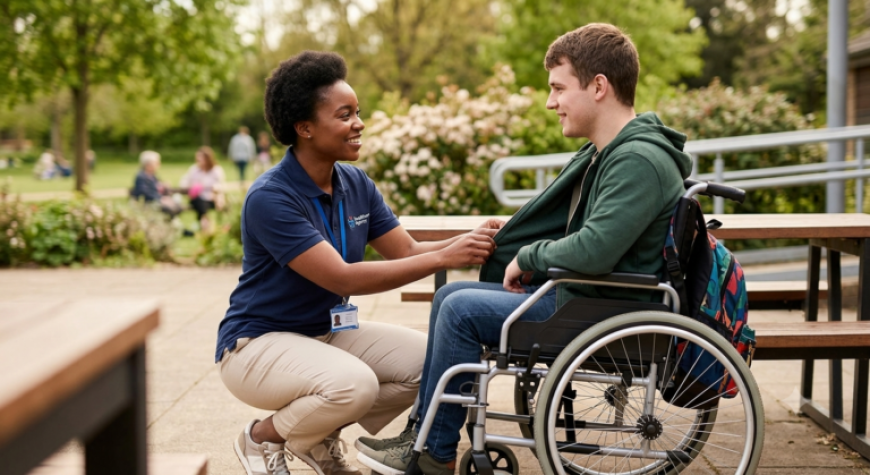
The demand for qualified disability support workers continues to grow across Australia, creating rewarding career opportunities for people who want to make a real difference. If you've been thinking about entering the disability support sector, the CHC33021 Certificate III in Individual Support (Disability) is one of the best places to start.
This nationally recognised qualification equips you with the practical skills and knowledge needed to support people living with disability while promoting independence, dignity, and inclusion. Whether you're changing careers, returning to the workforce, or starting your first job in healthcare, this course can open the door to a meaningful profession.
What Is Certificate III in Individual Support (Disability)?
The CHC33021 Certificate III in Individual Support (Disability) is an entry-level qualification designed for individuals who want to work in disability support services. Throughout the course, you'll learn how to provide person-centred care, communicate effectively with clients, follow individual support plans, and work safely within legal and ethical guidelines.
The qualification combines classroom or online learning with practical vocational placement, allowing you to gain valuable real-world experience before entering the workforce.
Why Is Disability Support Such a Rewarding Career?
Unlike many jobs, disability support allows you to positively impact someone's everyday life. Every day is different, and every client has unique goals and needs.
As a disability support worker, you may help people:
- Build confidence and independence
- Develop daily living skills
- Participate in community activities
- Achieve personal goals
- Improve their quality of life
Knowing that your work directly contributes to someone's wellbeing makes this career incredibly fulfilling.
Skills You'll Learn During the Course
A quality disability support course goes beyond theory. You'll develop practical skills that employers actively seek, including:
- Providing person-centred support
- Promoting independence and wellbeing
- Safe manual handling techniques
- Infection prevention and control
- Effective communication skills
- Working with diverse people and communities
- Recognising and reporting abuse or neglect
- Supporting individual strengths and abilities
These skills prepare you to confidently work in a variety of disability support settings.
Career Opportunities After Graduation
Completing a Certificate III in Individual Support (Disability) can lead to various entry-level roles, including:
- Disability Support Worker
- Community Support Worker
- Personal Care Assistant
- Residential Support Worker
- Home Care Worker
- Client Support Officer
- Disability Care Assistant
As you gain experience, you can continue your education and move into senior support, coordination, or community services roles.
Flexible Study Options to Suit Your Lifestyle
Many students choose this qualification because of its flexibility. Depending on the training provider, you may have access to:
- Online self-paced learning
- Face-to-face classes
- Recognition of Prior Learning (RPL)
- Flexible payment plans
- Trainer support throughout your studies
This makes it easier to balance study with work, family, or other commitments.
The Importance of Practical Placement
One of the biggest advantages of this qualification is the opportunity to complete vocational placement.
Practical placement allows you to:
- Apply classroom knowledge in real workplaces
- Build confidence with clients
- Learn from experienced professionals
- Develop industry connections
- Improve your employability
Many students receive job offers shortly after completing their placement because employers value practical experience. Training providers such as DP Training include a minimum of 120 hours of vocational placement as part of the course.
Why Employers Value This Qualification
Disability support organisations look for workers who understand person-centred care and can provide safe, respectful support.
Completing a nationally recognised qualification demonstrates that you have received structured training aligned with current industry standards. It also shows your commitment to providing quality care and professional support.
Is This Course Right for You?
This qualification may be suitable if you:
- Enjoy helping others
- Have strong communication skills
- Want a stable and meaningful career
- Are compassionate and patient
- Enjoy working with people from diverse backgrounds
- Want opportunities for career growth
No previous healthcare experience is required to begin this entry-level course.
Study Certificate III in Individual Support (Disability) with DP Training
Students receive industry-focused training designed to prepare them for real employment. The course offers flexible delivery options, experienced trainers, and practical learning opportunities that help build confidence from day one.
Whether you choose online learning or classroom-based study, you'll gain the skills needed to support people living with disability while building a rewarding career in one of Australia's fastest-growing industries. Course delivery includes online, face-to-face, and RPL pathways, with vocational placement integrated into the learning experience.
Start Building a Career That Matters
If you're looking for a career where every day brings purpose, connection, and the opportunity to make a positive impact, the CHC33021 Certificate III in Individual Support (Disability) could be your perfect first step.
Take the first step towards a rewarding future by enrolling with DP Training and gain the practical skills, industry knowledge, and confidence employers are looking for.