In-House Fulfillment vs 3PL: Which Is Right for Your Brand?
Compare in-house fulfillment vs 3PL to determine the best option for your ecommerce brand. Learn costs, scalability, and when to outsource fulfillment.
 robert2142
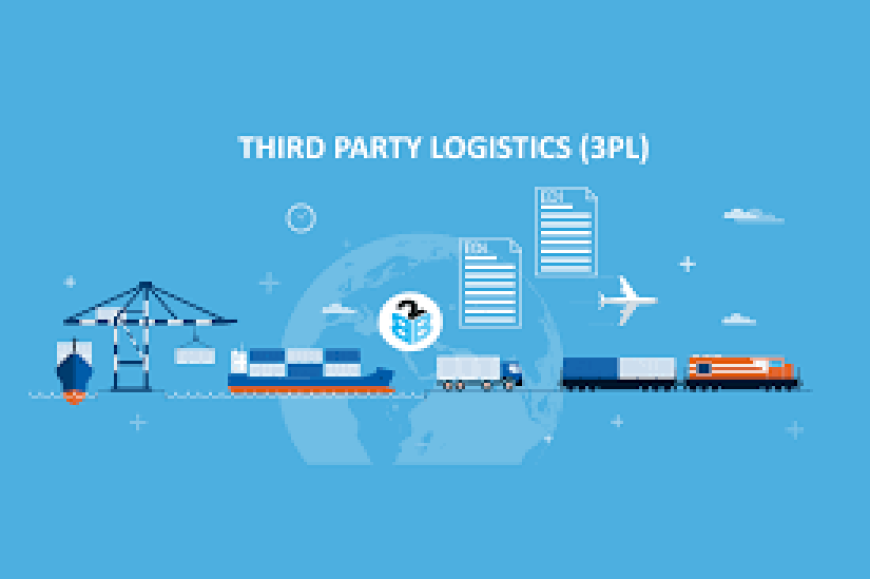
As your ecommerce brand grows, fulfillment quickly becomes one of the most important—and expensive—decisions you’ll make. Should you continue handling orders in-house, or is it time to partner with a third-party logistics provider (3PL)?
Both options have advantages, and the right choice depends on your order volume, growth goals, and operational resources. Let’s break it down.
What Is In-House Fulfillment?
In-house fulfillment means you manage every step of the process yourself—storing inventory, picking and packing orders, shipping, and handling returns. This is common for startups and early-stage brands.
Pros of In-House Fulfillment
-
Full control over inventory and operations
-
Direct oversight of packaging and branding
-
Lower upfront costs at very low order volumes
Cons of In-House Fulfillment
-
Time-consuming and labor-intensive
-
Limited scalability during peak seasons
-
Higher risk of shipping errors as volume grows
-
Rising costs for labor, storage, and shipping
Best for:
Startups and small brands with low order volume and simple fulfillment needs.
What Is 3PL Fulfillment?
A 3PL (third-party logistics provider) handles warehousing, order fulfillment, shipping, and often returns on your behalf. Orders sync automatically from your ecommerce platform and are shipped from the fulfillment center.
Pros of 3PL Fulfillment
-
Faster shipping through strategic warehouse locations
-
Scales easily as order volume increases
-
Reduced labor, storage, and operational stress
-
Professional systems for accuracy and inventory tracking
-
Lower shipping rates through carrier partnerships
Cons of 3PL Fulfillment
-
Less hands-on control compared to in-house
-
Monthly fulfillment and storage fees
-
Requires onboarding and system integration
Best for:
Growing ecommerce brands focused on scaling, speed, and customer experience.
Cost Comparison: In-House vs 3PL
At first glance, in-house fulfillment may seem cheaper—but hidden costs add up quickly:
In-House Costs Include:
-
Warehouse or storage space
-
Packing materials
-
Labor and payroll taxes
-
Shipping rates
-
Software and inventory tools
3PL Costs Typically Include:
-
Storage fees
-
Pick-and-pack fees
-
Shipping costs
-
Technology and integrations
For brands shipping dozens (or hundreds) of orders per day, a 3PL often becomes more cost-effective while delivering better speed and accuracy.
Scalability & Peak Season Readiness
One of the biggest differences is how each option handles growth.
-
In-house fulfillment struggles during sales spikes, holidays, and promotions.
-
3PL fulfillment is built to scale—handling higher order volume without delays or errors.
If your brand experiences seasonal surges or rapid growth, outsourcing fulfillment can prevent missed shipments and unhappy customers.
Control vs Efficiency: What Matters More?
Some brands prefer the hands-on control of in-house fulfillment. Others prioritize efficiency, speed, and customer satisfaction.
Ask yourself:
-
Is fulfillment taking time away from marketing and growth?
-
Are shipping errors or delays increasing?
-
Can your current setup handle double the order volume?
If fulfillment is slowing you down, a 3PL can free your team to focus on scaling the business.
Which Fulfillment Option Is Right for Your Brand?
Choose in-house fulfillment if:
-
You ship a low number of orders per month
-
Your product requires heavy customization
-
You’re testing and validating your business
Choose a 3PL if:
-
Order volume is increasing
-
You want faster shipping and better accuracy
-
You’re preparing for growth or peak seasons
-
You want predictable fulfillment costs
Final Thoughts
There’s no one-size-fits-all answer—but most successful ecommerce brands eventually outgrow in-house fulfillment. Partnering with the right 3PL can reduce costs, improve delivery speed, and create a better customer experience.
If you’re considering outsourcing fulfillment, working with a reliable partner like Phase V can help ensure a smooth transition and long-term scalability.