How to Maintain Your Septic System Effectively
 tusar
tusar
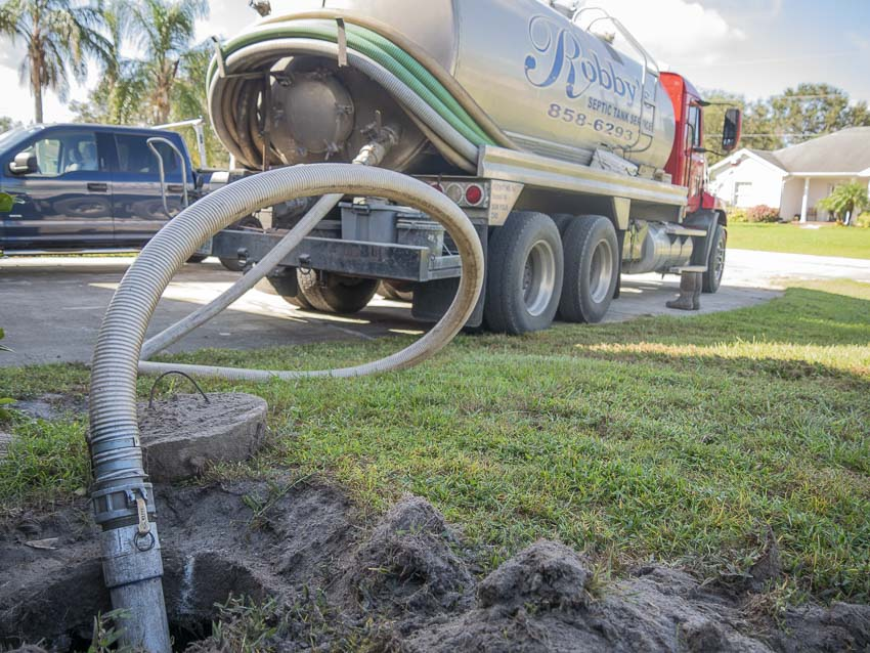
A septic system may seem like a hidden part of your home, but it plays a huge role in keeping your property safe and clean. The key to avoiding costly repairs and messy backups is proper maintenance. From knowing what to put down your drains to scheduling regular inspections, maintaining your system can be simple, stress-free, and even satisfying.
If you take care of it, your septic system can last decades without trouble. In this guide, we’ll share practical tips and tricks to help you keep your system running smoothly.
Understand Your Septic System
Before you start maintenance, it’s important to know what’s happening underground. A septic system typically consists of a tank, pipes, and a drain field. The tank holds waste, where solids settle to the bottom, liquids flow to the drain field, and bacteria break down organic material. Understanding this helps you see why proper care and a professional septic system service are essential. Think of your system like a mini ecosystem: balance keeps it healthy, but neglect can cause chaos.
Watch What Goes Down the Drain
Your septic system depends on bacteria to break down waste, and certain items can disrupt this process. Avoid flushing wipes, grease, oil, or chemicals, as these can block pipes or harm the bacteria that do the work. Even small amounts of harsh cleaners can add up over time. A simple habit: only flush water, human waste, and toilet paper. Keeping your tank “fed” the right way prevents clogs and expensive repairs.
Conserve Water to Protect Your System
Excess water can overwhelm your tank and drain field, causing backups or leaks. Simple changes—like fixing dripping faucets, spreading out laundry loads, and using low-flow fixtures—can make a big difference. Think of your septic system as a sponge: too much water at once prevents proper absorption and slows the breakdown process. Efficient water use extends the life of your system and keeps your yard safe from soggy patches.
Inspect and Pump Regularly
Regular inspections are the secret to avoiding surprises. Experts recommend checking your tank every 3–5 years and pumping it when solids build up to about one-third of the tank. A professional septic system service can ensure the tank is functioning correctly, identify minor issues early, and prevent major problems. Even if your system seems fine, inspections give you peace of mind and help you plan maintenance on your schedule.
Protect Your Drain Field
The drain field is where treated water is safely absorbed into the soil. Avoid parking vehicles or planting trees directly over this area, as heavy weight or roots can damage pipes. Keep rainwater drainage and gutters away to prevent flooding. Simple landscaping and mindful outdoor habits protect this vital part of your system, keeping it working efficiently for years.
Use Septic-Friendly Products
When choosing cleaning products or detergents, look for labels that say “septic safe.” These products maintain the balance of bacteria in your tank while keeping your home clean. Small changes, like switching to mild cleaners or phosphate-free detergents, help your system process waste effectively. It’s an easy step that saves time, money, and frustration in the long run.
Watch for Warning Signs
Even with proper care, issues can arise. Keep an eye out for slow drains, gurgling sounds in plumbing, bad odors, or soggy patches in your yard. These can indicate a problem with the tank or drain field. Addressing issues early prevents expensive repairs and keeps your home safe. Quick action often means a simple fix rather than a major overhaul.
Maintain Records and Stay Organized
Keep a log of inspections, pumping schedules, and any repairs. This record helps you track when maintenance is due and provides useful information if you sell your property. Staying organized may seem small, but it prevents unnecessary emergencies and makes future maintenance easier. Your septic system will thank you for the extra care and planning.
Seasonal Maintenance Tips
Seasons bring unique challenges. In winter, protect pipes from freezing and avoid excessive water use. In spring, check for erosion or standing water around your drain field. Summer and fall are perfect times to inspect your system visually and ensure landscaping hasn’t caused blockages. Seasonal awareness helps prevent problems before they escalate, keeping your system efficient all year round.
When to Call Professionals
While simple habits help, some tasks require trained experts. Pumping, inspections, repairs, and replacements should always be done by licensed professionals. A septic system service can handle these safely and efficiently, saving you time and headaches. Knowing when to call for help ensures your system stays healthy and your home stays protected.
Benefits of Proper Maintenance
Maintaining your septic system isn’t just about avoiding problems—it improves your home’s overall safety and comfort. Regular care prevents backups, protects your yard, saves money on repairs, and extends the life of your system. Plus, a well-maintained system reduces environmental risks, keeping water sources clean and safe. Proper maintenance is a small effort with big rewards.
Your Partner in Septic Care
If you’re unsure where to start, working with a reliable company is the best step. For those looking for dependable help, Customline Excavating can guide you through inspections, maintenance, and repairs. Their expertise ensures your system functions smoothly, giving you confidence and peace of mind.
For more detailed professional services and support, you can visit fraservalleyseptic.ca to explore solutions that keep your septic system in top shape.
FAQs
How often should I pump my septic tank?
Most systems need pumping every 3–5 years, depending on household size and water use. Regular pumping prevents clogs and backups.
Can I use chemical drain cleaners in my septic system?
No, harsh chemicals harm the bacteria that break down waste. Use septic-safe cleaning products instead.
What are signs that my septic system needs attention?
Slow drains, gurgling noises, odors, or wet spots in your yard are warning signs. Early inspection prevents bigger problems.