How to Effectively Staff Project Personnel
Staffing the right people for a project can make or break its success.
 tusar
tusar
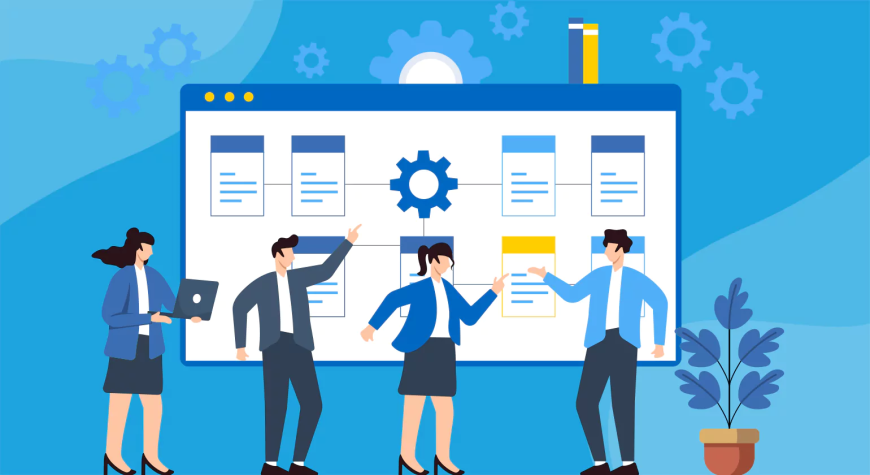
Imagine a project running smoothly because every team member is in the right place, with the right skills, at the right time. That’s the power of effective project personnel staffing. Getting this right doesn’t just save time—it boosts morale, increases productivity, and ensures your project meets its goals efficiently. In this guide, we’ll explore practical steps to help you staff your project with the perfect team and keep your project running like clockwork.
Understand Your Project Needs First
Before hiring or assigning personnel, it’s crucial to clearly define what your project requires. Start by identifying the tasks that need to be completed, the skills necessary for each task, and the deadlines involved. Consider both technical and soft skills. For example, a software project may require coding expertise, but it also needs strong communication and teamwork.
By mapping out these requirements, you’ll create a clear roadmap for which roles must be filled and who can best handle them, making your project personnel staffing process much more efficient and effective.
Build a Detailed Job Description
Once you know what the project needs, creating a detailed job description for each role is key. Avoid vague language—be specific about responsibilities, qualifications, and expectations. Highlight the outcomes you want from the role rather than just listing duties. For instance, instead of saying “handle customer calls,” specify “provide timely responses to customer inquiries, ensuring satisfaction and follow-up within 24 hours.” Clear job descriptions help attract the right people and minimize misunderstandings later.
Leverage Skills Assessments
Choosing the right personnel isn’t just about reading resumes. Skills assessments are powerful tools that help determine if a candidate truly fits the role. These assessments can range from practical tests to scenario-based evaluations. For example, asking a project manager to develop a mini project plan can reveal how they think, organize, and prioritize. Incorporating these assessments ensures that each team member can handle the responsibilities assigned to them effectively.
Consider Cultural Fit
Even if a person has all the skills needed, they might not thrive if their work style clashes with the team’s culture. Cultural fit involves values, work habits, and communication styles. A team that works well together is more efficient, collaborative, and motivated. During interviews or onboarding, observe how candidates interact with potential teammates. Ask questions about their preferred work environment and problem-solving approach. Choosing personnel who align with your company culture reduces conflicts and fosters smoother project execution.
Prioritize Communication Skills
Strong communication is the backbone of any successful project. Even highly skilled personnel can struggle if they cannot communicate effectively. Look for team members who can clearly express ideas, actively listen, and adapt their communication to different stakeholders. Regular communication ensures that tasks are completed accurately, deadlines are met, and any potential issues are addressed before they become problems. Remember, clear communication often prevents small issues from becoming project roadblocks.
Use a Mix of Experience Levels
A balanced team combines seasoned experts with newer personnel who bring fresh ideas and enthusiasm. Experienced members offer guidance and mentorship, while newer staff can introduce innovative approaches and challenge outdated processes. This mix encourages learning, promotes problem-solving, and creates a dynamic team environment. Don’t underestimate the value of pairing different skill levels to strengthen the overall project capability.
Plan for Flexibility
Projects rarely go exactly as planned. Deadlines may shift, priorities may change, or unexpected tasks may appear. Staffing effectively means building flexibility into your team. Identify personnel who can wear multiple hats and adapt to shifting demands. Cross-training team members not only prepares them for unexpected changes but also helps cover gaps if someone becomes unavailable. Flexibility keeps the project on track, even when surprises arise.
Use Technology to Your Advantage
Modern tools can simplify staffing and team management. Project management software, time tracking tools, and collaboration platforms help monitor workloads, assign tasks, and streamline communication. For instance, a shared platform can provide real-time updates on project progress, enabling managers to redistribute tasks if someone is overloaded. Integrating technology ensures your team stays organized, informed, and efficient without adding extra administrative burdens.
Regularly Review Performance
Staffing doesn’t stop once the team is assembled. Regular performance reviews help identify areas where personnel excel or need support. Provide constructive feedback, acknowledge achievements, and adjust roles if necessary. Continuous monitoring ensures that every team member contributes effectively and helps prevent small issues from affecting the overall project. Remember, proactive management strengthens both the team and the project outcome.
Encourage Collaboration and Teamwork
No project succeeds in isolation. Encourage collaboration through regular meetings, brainstorming sessions, and team-building activities. When team members share ideas and support each other, problem-solving becomes faster, and creativity flourishes. A collaborative environment also fosters accountability, as individuals feel connected to both the team and the project’s goals. Collaboration turns a group of skilled personnel into a cohesive, high-performing team.
Plan for Contingencies
Even with perfect staffing, things can go wrong. Personnel may fall ill, leave unexpectedly, or be temporarily unavailable. Preparing a contingency plan ensures the project continues smoothly. Identify backup personnel, create knowledge-sharing systems, and document critical processes. Contingency planning minimizes disruptions and keeps deadlines intact, demonstrating foresight and professionalism in project management.
Continuous Learning and Development
Encourage team members to continually improve their skills. Offer access to training programs, workshops, or online courses relevant to the project. Continuous learning keeps the team updated on industry standards, new technologies, and best practices. When personnel grow professionally, the project benefits from their enhanced capabilities, and morale increases as team members feel valued and invested in.
Use External Staffing Services When Needed
Sometimes, in-house personnel may not meet every project requirement. This is where professional staffing services can help. Outsourcing certain roles or hiring specialized personnel temporarily ensures the project stays on track without overwhelming the existing team. Using services for project personnel staffing allows access to qualified professionals quickly, providing flexibility and expertise when you need it most.
Track and Adjust Team Assignments
As projects progress, workloads and priorities may change. Regularly review assignments to ensure personnel are not overburdened and that their skills are utilized effectively. Making adjustments as needed improves efficiency, reduces stress, and helps the team deliver results consistently. Being proactive in tracking and adjusting assignments demonstrates strong leadership and enhances project outcomes.
Summarize and Reflect
Staffing project personnel effectively is about strategy, foresight, and understanding your team’s strengths. From defining project needs to encouraging collaboration, each step contributes to building a high-performing team. Flexibility, performance monitoring, and continuous learning ensure your personnel remain capable, motivated, and aligned with project goals. With thoughtful planning and management, projects run smoothly, deadlines are met, and goals are achieved efficiently.
FAQs
What is the most important factor in staffing project personnel?
The most important factor is understanding the specific needs of your project. This includes identifying required skills, experience levels, and personality traits to ensure personnel fit both the role and the team.
How can I handle personnel shortages during a project?
Use contingency planning, cross-trained staff, and, if necessary, external staffing services. These strategies allow your project to continue smoothly even if unexpected gaps occur.
Why is cultural fit important in staffing?
Cultural fit ensures team members work harmoniously together. It reduces conflicts, increases collaboration, and creates a positive environment that drives project success.