How to Create the Perfect Sensory Sleep Environment for Your Child with Autism — A Step-by-Step Guide
Auteeze Kids Weighted Blankets are designed specifically with sensory-sensitive children in mind OEKO-TEX® certified, bamboo fabric, glass bead fill, and fun designs children genuinely love. Free shipping across Australia, buy-now-pay-later at checkout, and a 30-day return policy make it easy to try risk-free.
 Auteeze
Bedtime for a child with autism can feel like navigating an obstacle course in the dark. What looks like a simple routine to most families pyjamas, brush teeth, lights out can be a genuinely overwhelming sensory experience for a child whose nervous system processes the world differently.
The good news is that with the right environment, the right bedding, and a consistent routine, sleep can become something your child actually looks forward to. This step-by-step guide walks Australian parents through exactly how to build a sensory-friendly sleep space from the ground up.
Step 1: Set Up the Room for Sensory Success
Before choosing any bedding, start with the room itself. The physical environment has a significant impact on how quickly a sensory-sensitive child can transition from alertness to calm.
Lighting
Bright overhead lighting signals the brain to stay awake. Switch to warm, dim lighting at least one hour before bed. Blackout curtains are highly recommended m
any children with autism are acutely sensitive to light, and even streetlight filtering through thin curtains can disrupt sleep onset.
Sound
Some children with autism are hypersensitive to sound, while others actually sleep better with consistent background noise. A white noise machine or soft nature sounds can mask sudden environmental noises that might startle your child awake. Experiment with both silence and low-level sound to see which your child responds to better.
Temperature
Overheating is one of the most overlooked causes of disrupted sleep in children with sensory sensitivities. Keep the room cool between 18°C and 20°C is the general recommendation and choose breathable, temperature-regulating bedding materials to support this.
Step 2: Choose the Right Kids Weighted Blanket
The centerpiece of any sensory sleep environment is a quality kids' weighted blanket. Weighted blankets work through deep pressure stimulation, gentle, evenly distributed weight that signals the nervous system to relax, triggering the release of serotonin and melatonin naturally.
When selecting a sensory weighted blanket for your child, three factors matter most:
Weight
The standard occupational therapist guideline is approximately 10% of your child's body weight. Going too heavy can feel restrictive rather than calming, so always start at the lower end of the recommended range and adjust from there.
Fabric
For children with tactile sensitivity, fabric is everything. Organic bamboo is widely regarded as the gold standard for sensory bedding, it is naturally silky, hypoallergenic, breathable, and temperature-regulating year-round. Auteeze Kids Weighted Blankets are crafted from 100% OEKO-TEX® certified organic bamboo and filled with quiet glass beads for even, noiseless pressure distribution.
Design
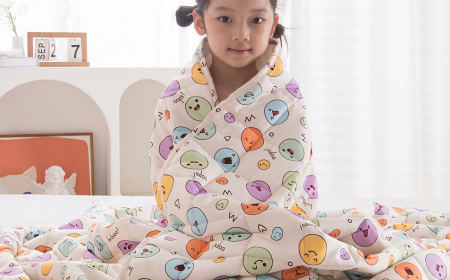
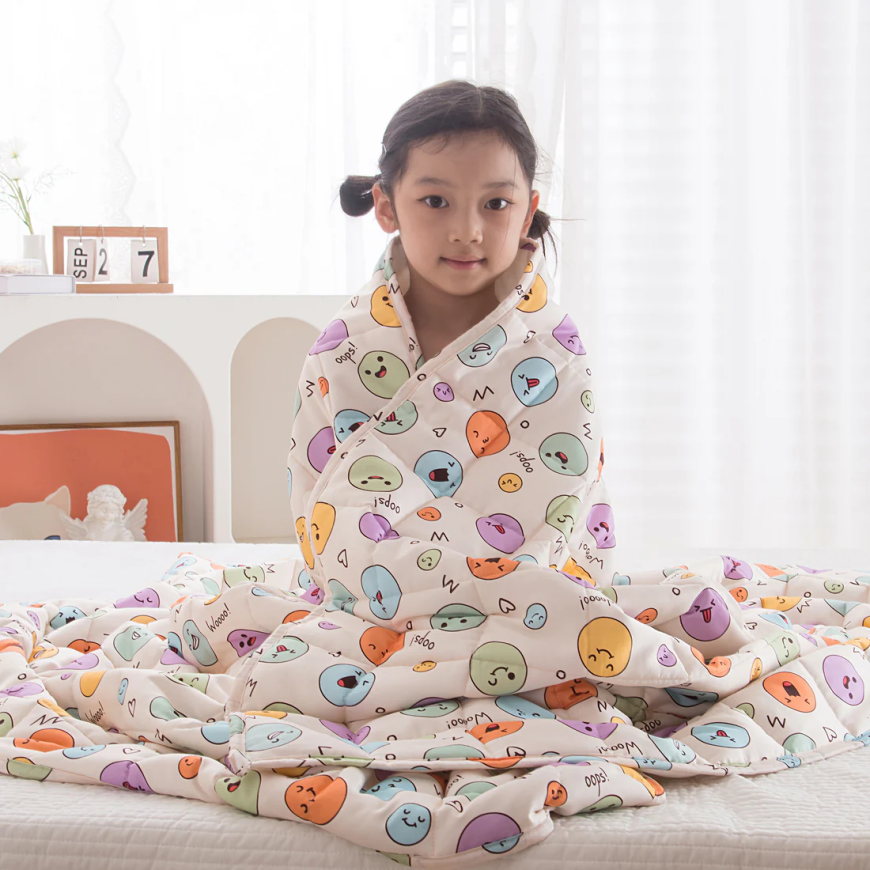
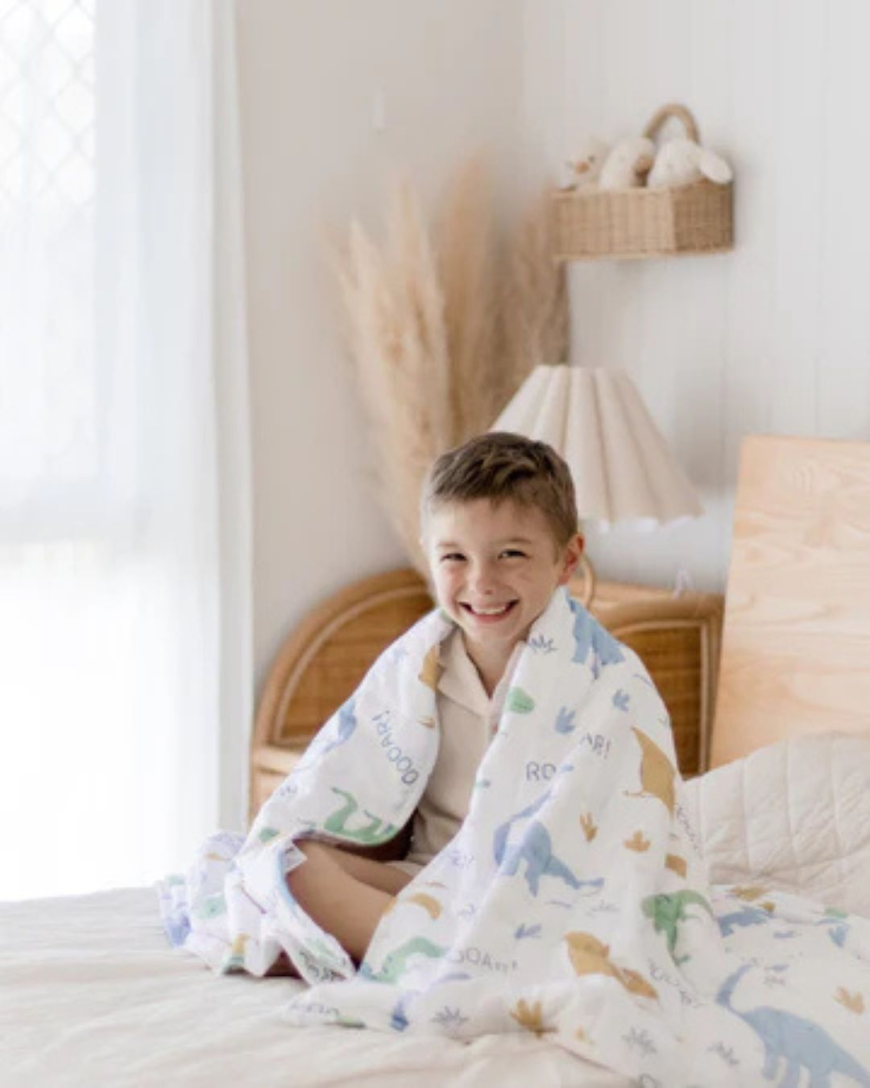
Never underestimate the power of letting your child choose. When children feel ownership over their bedding, they are far more willing to engage with it at bedtime. Auteeze offers playful designs Dinosaur, Emoji, and Kangaroo & Koala — that make the blanket feel like a comforting companion rather than a clinical tool.
Step 3: Select a Calming Kids Memory Foam Pillow
A weighted blanket supports the body, but the right pillow supports the head, neck, and overall spinal alignment that makes deep sleep possible. A kids memory foam pillow is an excellent companion to sensory bedding because memory foam contours gently to the shape of a child's head, eliminating pressure points and providing consistent, stable support throughout the night.
For children with tactile sensitivity, the pillow cover matters as much as the fill. Look for covers made from soft, breathable bamboo or organic cotton the same fabric principles that apply to the blanket apply here. Avoid synthetic covers that trap heat or create friction against sensitive skin.
What to look for in a sensory-friendly kids pillow:
- Appropriate loft height for your child's age and sleeping position
- Hypoallergenic and chemical-free materials
- Breathable, washable cover in a skin-safe fabric
- Firm enough to support alignment without feeling rigid
Step 4: Consider All Kids Bedding Australia-Wide
Building a complete sensory sleep environment means thinking beyond just the blanket and pillow. Every layer your child comes into contact with matters from the fitted sheet to the mattress protector underneath.
When selecting kids bedding Australia parents should prioritise:
Fabric choices for tactile sensitivity
- Bamboo, the softest, most breathable option; ideal for sensitive skin and temperature regulation
- Organic cotton gentle, chemical-free, and widely available
- Avoid synthetic polyester blends that trap heat and create static
Practical considerations
- Choose bedding with minimal seams and no scratchy labels
- Opt for fitted sheets with deep pockets that stay securely tucked loose sheets can be a source of sensory discomfort during the night
- Keep an extra set of identical bedding on hand so changes in texture from washing don't disrupt your child's comfort
Step 5: Build a Consistent Sensory Bedtime Routine
Even the most carefully designed sleep environment will underperform without a consistent routine to signal the body that sleep is coming. Children with autism thrive on predictability knowing exactly what happens next reduces anxiety and makes each transition easier.
A simple sensory bedtime routine to try:
60 minutes before bed: Dim the lights, reduce screen time, and switch to quieter activities. This is the nervous system's wind-down window.
30 minutes before bed: Introduce the weighted blanket during a calm activity such as reading, listening to a story, or quiet play. This helps the child associate the blanket with relaxation before they even get into bed.
15 minutes before bed: Warm bath or shower if your child responds well to hydrotherapy. The drop in body temperature afterwards naturally promotes sleepiness.
Bedtime: Settle your child under their sensory weighted blanket with their memory foam pillow in place. Keep the routine identical each night same order, same words, same environment.
Consistency is the strategy. It may take two to three weeks for the routine and the bedding to produce noticeable changes. Stay the course.
Final Thoughts
Creating a sensory sleep environment for a child with autism does not require a complete renovation. It starts with small, intentional choices the right weighted blanket, a supportive pillow, breathable bedding layers, and a predictable routine that tells the nervous system it is safe to rest.