How to Choose the Right Hoses and Fittings
Choosing the right hoses and fittings might sound simple, but making the wrong choice can lead to leaks, equipment failure, or even safety hazards.
 tusar
tusar
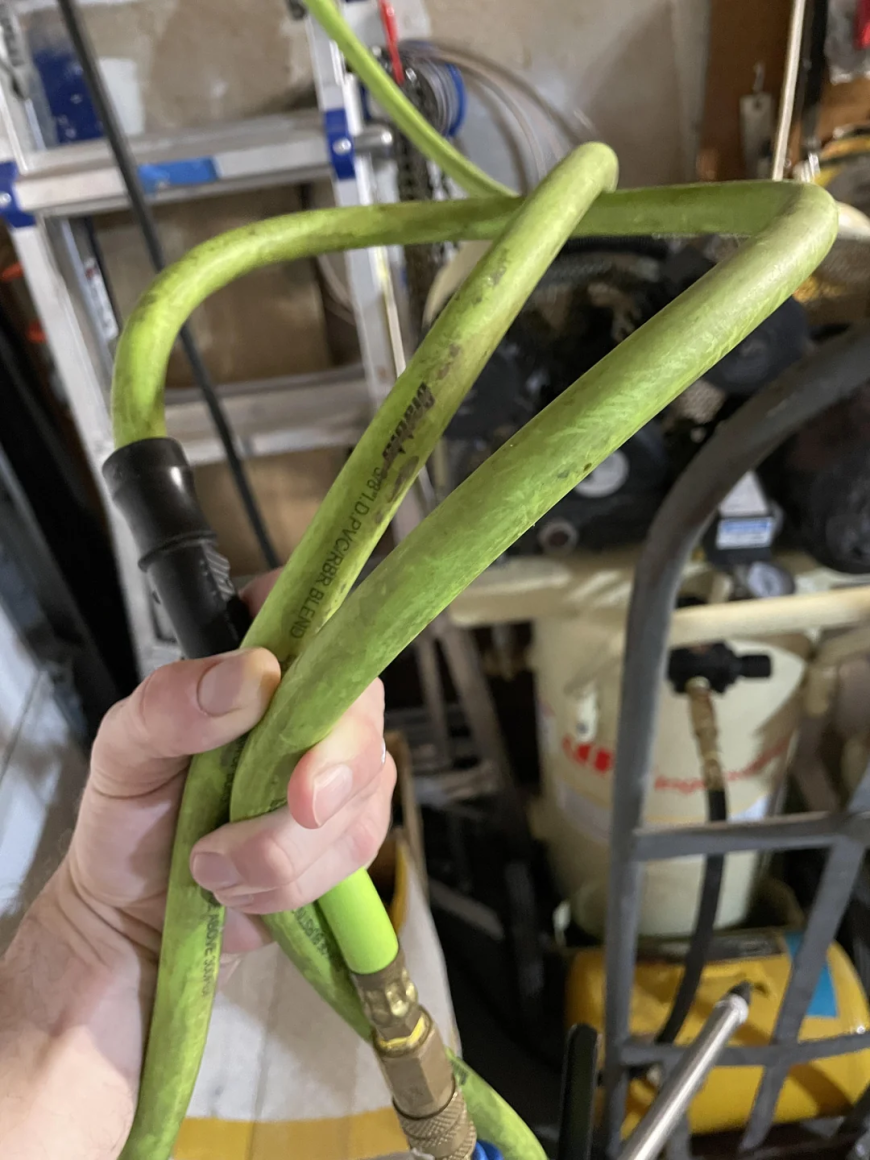
The key is understanding exactly what your hose and fittings will be doing. Are they carrying water, oil, air, or chemicals? Will they face high pressure, extreme temperatures, or outdoor conditions? Knowing the answers upfront will save you time, money, and frustration. In this guide, we’ll break down everything you need to know to make the right choices confidently, including practical tips, expert advice, and common pitfalls to avoid.
Understand the Purpose of Your Hose
The first step in selecting hoses is to know what they’ll be used for. A garden hose is very different from a hydraulic hose used in heavy machinery. Ask yourself: what type of fluid will flow through it? Will it carry air, oil, water, or chemicals? Each fluid has unique requirements that affect the hose material and durability.
Picking the right hoses, fittings, crimpers, reels for the job ensures efficiency and safety while preventing premature wear and leaks. A simple mismatch can result in expensive replacements and downtime.
Check Pressure and Temperature Ratings
Every hose and fitting has limits. If your hose cannot handle the pressure or temperature of the fluid it carries, it may burst or fail. Look for hoses with a pressure rating higher than your system’s maximum. Also, consider temperature extremes: some hoses become brittle in cold or soften in heat. A safe rule is to always allow a margin above your normal operating conditions. This small precaution can prevent big headaches later on.
Choose the Right Hose Material
Hoses come in many materials, including rubber, PVC, polyurethane, and reinforced thermoplastics. Rubber hoses are flexible and durable, perfect for general use. PVC hoses are lightweight and resistant to chemicals. Polyurethane hoses are strong and abrasion-resistant. Reinforced hoses, often used in hydraulic systems, combine materials to handle high pressure and extreme conditions.
Selecting the right material depends on your fluid type, environment, and the hose’s intended lifespan. Don’t pick based on cost alone—durability pays off in the long run.
Consider Hose Size and Length
Diameter and length matter more than you might think. Too small a diameter restricts flow and can create pressure problems, while a diameter that’s too large may be costly and unnecessary. Similarly, a hose that’s too short may stretch and strain fittings, while a hose that’s too long can kink or take up too much space. Measure carefully, accounting for bends and movements in your system. A hose that fits perfectly is safer and more efficient.
Selecting Fittings for Compatibility
A hose is only as good as the fittings attached to it. Fittings connect hoses to machinery, pumps, or other hoses, and they must match both the hose type and the system’s threading. Common materials include brass, stainless steel, and plastic. Brass is durable and corrosion-resistant, stainless steel handles high pressure and harsh chemicals, and plastic works for lighter, low-pressure applications. Make sure the fitting seals properly and is rated for your system’s pressure.
The Role of Crimpers and Installation Tools
Even the best hose and fitting can fail if installed incorrectly. Crimpers are tools used to secure fittings to hoses, creating a leak-proof connection. Using the right crimper and following proper procedures ensures safety and longevity. Other tools, like hose reels and clamps, can help manage hoses neatly and prevent kinks or tangles. Investing in proper installation tools saves time and avoids accidents.
Safety Tips When Handling Hoses
Hoses under pressure are potentially dangerous. Always check for wear, cracks, or leaks before use. Avoid twisting or sharply bending hoses, and never exceed the pressure rating. When disconnecting hoses, release system pressure first to prevent sudden fluid sprays. Keeping hoses in good condition and using safety measures protects both you and your equipment.
Maintenance for Longevity
A well-maintained hose lasts longer and performs better. Clean hoses regularly to remove dirt and chemicals. Store hoses away from direct sunlight and extreme temperatures. Inspect fittings for corrosion or damage, and replace any worn parts promptly. Regular maintenance prevents unexpected failures and keeps your system running smoothly.
Hoses, Fittings, Crimpers, Reels – How They Work Together
When you think about your system, remember that hoses, fittings, crimpers, and reels all work as a team. A durable hose with the correct fitting, installed using the right crimper, and managed with a reel will perform reliably and safely. Neglecting any one of these elements can compromise the whole system. Planning for the right combination ensures your equipment operates efficiently, safely, and for the long term.
Common Mistakes to Avoid
Many people make the same mistakes when choosing hoses: selecting the wrong material, underestimating pressure needs, or skipping proper fittings. Another common error is using a hose beyond its recommended lifespan. Avoid shortcuts, and take the time to match the hose, fitting, and installation tools to your application. Doing so reduces downtime, avoids leaks, and keeps your systems safe.
When to Call the Experts
Sometimes it’s best to get professional guidance. Experts can recommend hoses, fittings, and installation tools tailored to your specific system. They can also provide installation and maintenance advice, ensuring your setup is safe and efficient. Even if you’re confident in your choices, a second opinion can prevent costly mistakes.
Summary
Choosing the right hoses and fittings may seem simple, but it requires careful consideration of fluid type, pressure, temperature, material, size, and installation. By understanding your system’s needs, using proper tools, and following safety and maintenance guidelines, you can ensure your hoses perform reliably and safely. Remember, a hose is only as strong as its weakest link—so every component matters.
FAQs
Can I use the same hose for air and water?
No. Hoses are designed for specific fluids. Using a hose for the wrong fluid can cause leaks, damage, or safety hazards. Always check the manufacturer’s specifications.
How do I know if a fitting is compatible with my hose?
Check the hose diameter, threading type, and material compatibility. The fitting should match the hose’s pressure rating and seal properly to prevent leaks.
How often should I inspect and replace hoses?
Inspect hoses before each use and perform a full check at least monthly. Replace any hose that shows cracks, leaks, or wear signs immediately, even if it hasn’t reached its expected lifespan.