How to Choose the Best Material for Food Truck Wraps

Are you looking to turn your fleet or a single vehicle into a 24/7 advertising tool for your company? Looking for truck wraps near you? Caliber Signs & Imaging in Orange County has you covered.

How to Choose the Best Material for Food Truck Wraps

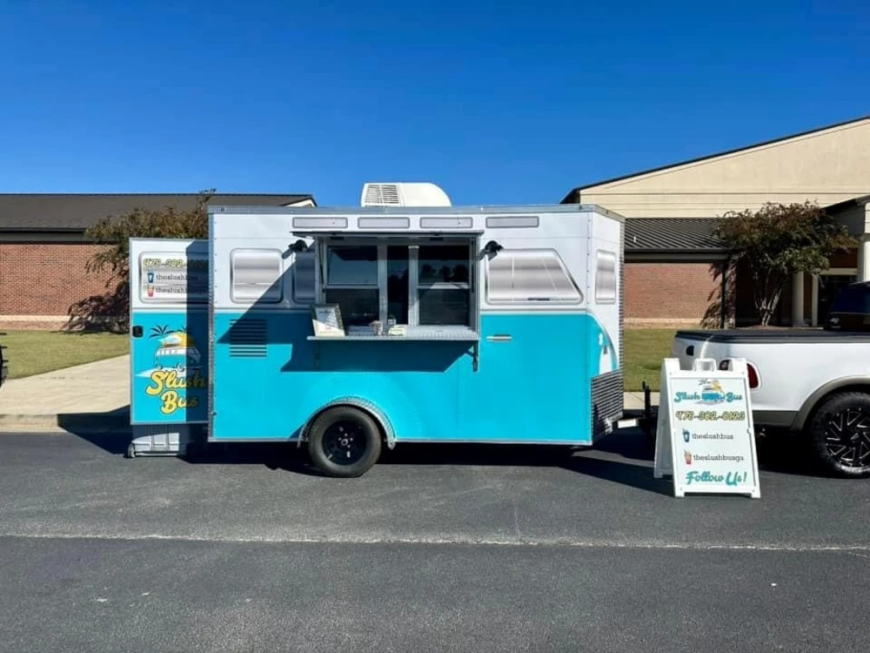
Choosing the right material for your food truck wraps is one of the most important decisions you'll make when branding your mobile business. A professionally designed wrap doesn't just make your truck look attractive—it acts as a moving billboard that promotes your brand everywhere you go. However, not all wrap materials offer the same level of durability, print quality, or weather resistance.

Whether you're launching a new food truck or refreshing your existing design, understanding the different wrap materials will help you make an investment that lasts for years. In this guide, we'll explain the best materials for food truck wraps, what factors to consider, and how to choose the right option for your business.

Why the Material Matters

Food trucks spend long hours outdoors, exposed to sunlight, rain, dirt, road debris, and frequent washing. Inferior vinyl materials can fade, crack, peel, or shrink within a short period, making your business appear unprofessional.

High-quality wrap materials provide:

  • Vibrant, long-lasting colors
  • Superior resistance to UV rays
  • Protection against scratches and weather
  • Easy cleaning and maintenance
  • Better adhesion on curved vehicle surfaces
  • Longer lifespan and greater return on investment

Selecting premium materials means fewer repairs and replacements over time.

Types of Food Truck Wrap Materials

1. Cast Vinyl Wraps (Best Overall)

Cast vinyl is widely considered the gold standard for vehicle wraps, especially for food trucks.

Unlike calendared vinyl, cast vinyl is manufactured through a casting process that produces an extremely thin, flexible material. It conforms easily to curves, rivets, and complex vehicle surfaces without lifting or bubbling.

Benefits include:

  • Excellent flexibility
  • Premium print quality
  • Long-lasting color
  • Superior UV protection
  • Minimal shrinkage
  • Lifespan of 7–10 years with proper care

Although cast vinyl costs more upfront, it offers the best long-term value for businesses that rely on professional branding.

2. Calendared Vinyl

Calendared vinyl is manufactured by rolling heated vinyl into sheets, making it thicker and less flexible than cast vinyl.

This material is often used for:

  • Flat surfaces
  • Temporary promotions
  • Budget-friendly graphics
  • Short-term advertising

While it is more affordable, calendared vinyl typically lasts between 3–5 years and is more likely to shrink or lift on curved surfaces.

For full food truck wraps, it is generally not the preferred option.

3. Reflective Vinyl

Some food truck owners choose reflective vinyl to improve nighttime visibility.

Reflective wraps:

  • Increase visibility after dark
  • Create unique visual effects
  • Improve brand recognition during evening events
  • Stand out at festivals and outdoor markets

Reflective vinyl is usually used for logos, lettering, or accent graphics rather than wrapping the entire truck due to its higher cost.

Lamination: Don't Skip This Step

A printed wrap is only as durable as its protective laminate.

A clear laminate protects the printed graphics from:

  • UV damage
  • Scratches
  • Chemicals
  • Grease
  • Moisture
  • Frequent washing

Lamination also enhances color depth and extends the wrap's lifespan by several years.

Choosing premium vinyl without a quality laminate reduces the overall durability of the wrap.

Important Factors When Choosing Wrap Material

Weather Resistance

Food trucks operate in various weather conditions throughout the year.

Look for materials that resist:

  • Extreme heat
  • Heavy rain
  • Snow
  • High humidity
  • UV exposure

Premium cast vinyl performs significantly better under changing weather conditions.

Durability

A busy food truck experiences constant wear from:

  • Parking
  • Customer traffic
  • Road debris
  • Daily driving
  • Regular cleaning

Durable materials maintain their appearance despite daily use, reducing maintenance costs.

Print Quality

Your food truck graphics should be vibrant and eye-catching.

Premium wrap materials produce:

  • Sharper images
  • Richer colors
  • Better gradients
  • Crisp lettering
  • High-definition food photography

Since customers often decide where to eat based on first impressions, print quality matters.

Ease of Installation

Higher-quality vinyl is easier for professional installers to apply.

Flexible materials reduce the chances of:

  • Air bubbles
  • Wrinkles
  • Lifting edges
  • Installation errors

Professional installation combined with premium materials ensures a flawless finish.

Ease of Removal

Eventually, many businesses update their branding.

Quality wrap materials remove more cleanly without damaging the original paint, making future redesigns easier and more affordable.

Matte vs. Gloss Finish

The finish you choose affects the overall appearance of your food truck.

Gloss Finish

Gloss remains the most popular option because it offers:

  • Bright colors
  • High shine
  • Excellent visibility
  • Traditional painted appearance

Gloss wraps are ideal for bold, colorful food truck designs.

Matte Finish

Matte wraps provide a modern, premium appearance with:

  • Reduced glare
  • Sophisticated branding
  • Contemporary style
  • Unique visual appeal

Many businesses combine matte backgrounds with gloss logos for added contrast.

Should You Choose Partial or Full Wrap Materials?

Material quality is equally important whether you choose a full or partial wrap.

Full Wraps

  • Maximum advertising space
  • Complete brand transformation
  • Greater visual impact
  • Better paint protection

Partial Wraps

  • Lower initial investment
  • Strategic branding
  • Faster installation
  • Professional appearance when designed correctly

Both options should use premium wrap materials for the best results.

Maintenance Tips to Extend Wrap Life

Even the best materials require proper care.

To maximize the lifespan of your food truck wrap:

  • Wash regularly using mild soap and water.
  • Avoid abrasive brushes and harsh chemicals.
  • Remove grease and food stains promptly.
  • Park in shaded areas whenever possible.
  • Avoid pressure washing directly at wrap edges.
  • Schedule inspections for minor repairs before they worsen.

Routine maintenance can keep a quality wrap looking new for many years.

Why Professional Material Selection Matters

Choosing the right vinyl isn't simply about price—it's about matching the material to your business needs.

Experienced wrap professionals consider:

  • Vehicle shape
  • Surface complexity
  • Local climate
  • Branding goals
  • Budget
  • Expected lifespan

Working with an experienced signage company ensures you receive the best material for both performance and long-term value.

Conclusion

The success of your food truck wraps depends on more than just eye-catching graphics. Selecting the right material ensures your investment remains vibrant, durable, and effective through years of daily use. While cast vinyl with a protective laminate is the preferred choice for most full wraps due to its flexibility and longevity, the best option ultimately depends on your budget, branding goals, and operating environment.

At Caliber Signs & Imaging, we specialize in designing and installing premium custom food truck wraps using industry-leading materials that withstand the demands of daily business. From concept and design to professional installation, our team helps transform your food truck into a mobile advertisement that captures attention and strengthens your brand wherever you go.

FAQs

1. What is the best material for food truck wraps?
Cast vinyl is the best choice because it offers excellent durability, flexibility, vibrant print quality, and a lifespan of up to 10 years with proper care.

2. How long do food truck wraps last?
High-quality cast vinyl wraps typically last 7–10 years, while calendared vinyl generally lasts 3–5 years depending on weather exposure and maintenance.

3. Is laminate necessary for a food truck wrap?
Yes. A protective laminate shields the printed graphics from UV rays, scratches, grease, moisture, and fading, significantly extending the wrap's lifespan.

4. Can a food truck wrap be removed without damaging the paint?
When professionally installed and removed, premium vinyl wraps can usually be taken off without harming the vehicle's original paint.

5. Should I choose a matte or gloss finish?
Gloss finishes provide a vibrant, traditional look with maximum visual impact, while matte finishes offer a sleek, modern appearance. The best choice depends on your brand identity and desired aesthetic.