How Managed SOC Services Protect U.S. Travel SMEs: 10 Critical Cybersecurity Strategies for 2026
Discover how managed SOC services help U.S. travel SMEs strengthen cybersecurity, improve threat visibility, and secure operations with a managed security operations center.
 misanjay
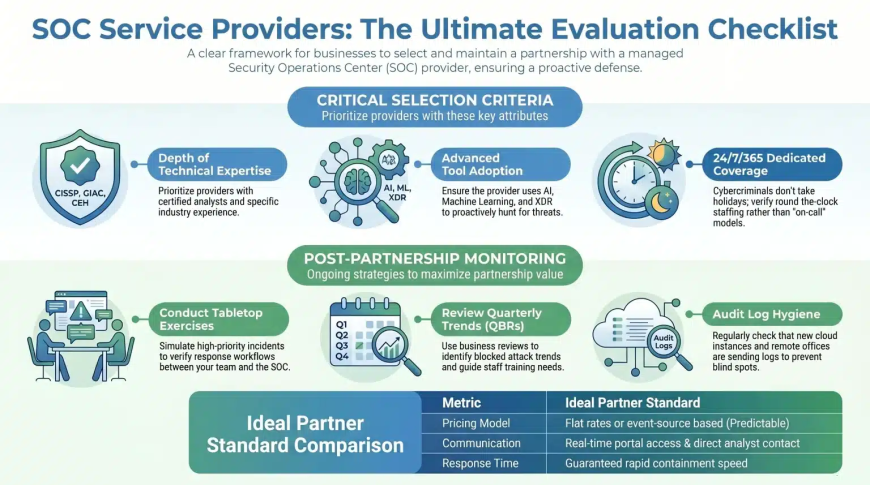
The travel industry has undergone an extraordinary digital transformation over the past few years. Airlines, travel agencies, online booking platforms, destination management companies, tour operators, hospitality providers, cruise operators, and corporate travel management firms now rely on cloud applications, digital payment systems, online reservation platforms, mobile apps, and customer relationship management systems to deliver seamless travel experiences. Every booking, itinerary update, loyalty program transaction, and customer interaction depends on secure and always-available digital infrastructure.
While this digital evolution has improved customer convenience, it has also expanded the industry's cybersecurity exposure. Travel businesses process sensitive customer information, payment data, travel documents, employee credentials, supplier contracts, and operational systems that are increasingly targeted by cybercriminals. Phishing attacks, ransomware, credential theft, account takeovers, API exploitation, insider threats, and distributed denial-of-service (DDoS) attacks have become major concerns for organizations that operate around the clock.
Many U.S. travel SMEs lack the internal cybersecurity resources required to monitor threats continuously. Security alerts generated by multiple systems often overwhelm IT teams, making it difficult to identify genuine attacks before they affect business operations. Even a brief disruption can impact online bookings, customer confidence, supplier relationships, and revenue generation.
This is why managed SOC services have become an essential cybersecurity investment for travel businesses in 2026. Instead of building and maintaining an expensive in-house Security Operations Center, organizations can leverage expert security analysts, continuous monitoring, and advanced threat intelligence through a professionally managed solution.
Supported by a managed security operations center, businesses gain around-the-clock visibility into cyber threats, enabling faster detection, investigation, and response while reducing operational risks. For travel companies where uninterrupted service is essential, managed SOC services provide the security foundation needed to support business continuity and customer trust.
What Are Managed SOC Services?
Modern cybersecurity requires more than installing security software. Organizations must continuously monitor digital environments, analyze security events, investigate suspicious activities, and respond quickly to emerging threats.
Managed SOC services provide organizations with outsourced cybersecurity operations that continuously monitor IT environments through experienced security analysts, advanced monitoring technologies, and structured incident response processes.
These services typically include:
- Continuous security monitoring
- Security event analysis
- Threat intelligence
- Log monitoring
- Incident investigation
- Alert validation
- Security reporting
- Incident response support
Instead of depending solely on internal IT resources, businesses gain access to cybersecurity professionals dedicated to identifying and responding to threats before they impact operations.
For travel organizations that operate 24/7, continuous monitoring helps maintain secure business operations without expanding internal security teams.
Why Travel Businesses Face Growing Cybersecurity Risks
Today's travel companies operate across highly interconnected digital ecosystems.
Typical technology environments include:
- Online booking platforms
- Customer portals
- Payment processing systems
- Reservation management software
- Mobile applications
- Cloud-based collaboration tools
- Supplier management systems
- Customer relationship management platforms
As digital services expand, cyber risks increase.
Organizations commonly encounter:
- Credential theft
- Phishing campaigns
- Ransomware attacks
- Third-party security risks
- Insider threats
- Unauthorized access attempts
Without continuous monitoring, these risks can remain undetected until significant operational damage occurs.
Managed SOC services provide proactive cybersecurity oversight that helps identify threats before they disrupt business operations.
How Managed SOC Services Strengthen Travel Cybersecurity
24/7 Security Monitoring
Cyberattacks occur at all hours, often targeting businesses outside normal working times.
Managed SOC services provide continuous monitoring that enables organizations to detect suspicious activity in real time and respond quickly to potential security incidents.
Faster Threat Detection
The sooner a threat is identified, the smaller its potential business impact.
Security analysts investigate alerts continuously, allowing organizations to identify genuine threats faster while minimizing false positives.
Improved Visibility Across Business Systems
Travel companies often operate multiple cloud platforms, booking systems, and customer applications.
Managed SOC services centralize security monitoring, providing leadership with greater visibility across the organization's technology environment.
Stronger Incident Response
Effective incident response reduces downtime and limits operational disruption.
Managed security analysts help investigate incidents, prioritize risks, and support coordinated response activities when security events occur.
Enhanced Business Continuity
Travel organizations rely on uninterrupted digital services to support bookings, payments, and customer communications.
Continuous cybersecurity monitoring helps reduce the likelihood of prolonged service interruptions caused by cyber incidents.
Why a Managed Security Operations Center Delivers Long-Term Value
Building an internal Security Operations Center requires significant investment in cybersecurity professionals, monitoring technologies, and continuous operational management.
A managed security operations center enables organizations to access enterprise-level cybersecurity expertise without the complexity of establishing an internal SOC.
Key advantages include:
- Around-the-clock monitoring
- Experienced security analysts
- Centralized security operations
- Continuous threat intelligence
- Scalable cybersecurity support
- Improved operational resilience
This flexible approach allows travel businesses to strengthen cybersecurity while focusing internal resources on customer experience and business growth.
Cybersecurity Trends Driving Managed SOC Adoption in Travel
Several developments continue increasing demand for managed SOC services.
Growth of Digital Booking Platforms
Expanding online services increase the number of systems requiring continuous protection.
Rising Ransomware Activity
Cybercriminals continue targeting service-based businesses that depend on uninterrupted operations.
Expansion of Cloud Applications
Cloud adoption requires centralized security monitoring across distributed environments.
Increasing Customer Data Protection Requirements
Travel organizations continue strengthening cybersecurity to protect sensitive customer information and maintain trust.
These trends reinforce the importance of managed SOC services for modern travel businesses.
How IBN Technologies Supports Travel Organizations
Successful cybersecurity requires continuous monitoring, expert analysis, and structured incident management.
IBN Technologies delivers managed SOC services that help travel organizations improve cyber resilience, strengthen threat visibility, and maintain secure digital operations.
Its SIEM & SOC capabilities include:
- 24/7 security monitoring
- Security event management
- Threat intelligence analysis
- Incident investigation
- Log monitoring
- Security reporting
- Threat prioritization
- Incident response support
Organizations also benefit from a managed security operations center that provides continuous oversight across cloud environments, business applications, and critical infrastructure.
This integrated cybersecurity approach enables travel businesses to strengthen operational resilience while maintaining secure customer experiences.
Conclusion
The travel industry depends on continuous digital availability, secure customer interactions, and trusted online services. As cyber threats become more sophisticated, organizations require more than traditional security tools to protect their operations.
Managed SOC services provide travel SMEs with continuous monitoring, expert threat analysis, and structured incident response that significantly improve cybersecurity readiness. Supported by a managed security operations center, businesses gain enterprise-grade security operations without the cost and complexity of building an internal SOC.
Travel organizations that invest in proactive cybersecurity today will be better positioned to protect customer trust, reduce operational risk, and support sustainable digital growth in an increasingly connected travel ecosystem.
Ready to Strengthen Your Travel Cybersecurity?
Partner with IBN Technologies to implement managed SOC services that provide 24/7 security monitoring, rapid threat detection, and expert incident response. With a managed security operations center tailored to modern travel businesses, your organization can secure critical systems, protect customer data, and confidently support future digital growth.