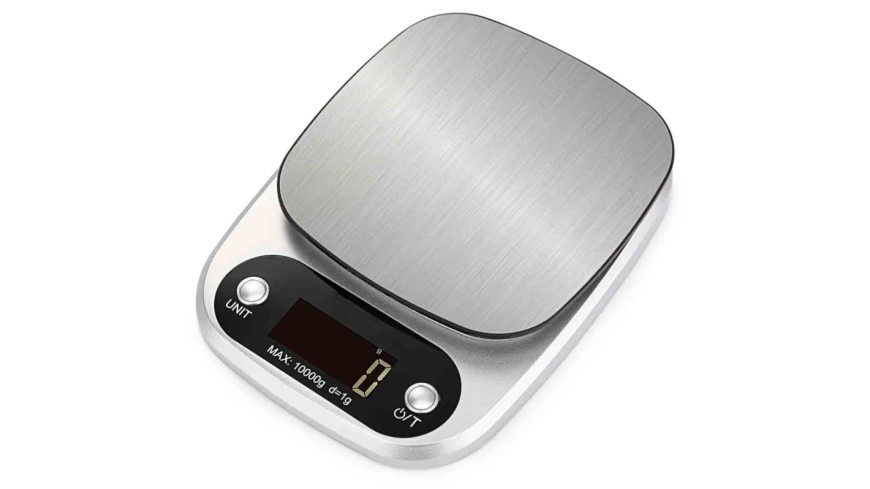
In both commercial and personal environments, Weighing Scales have become a vital part of routine processes. Whether it's checking a parcel's weight before shipping, preparing ingredients for a recipe, or managing raw materials in a factory, accurate measurements drive quality, safety, and efficiency. But what makes these devices so essential, and how are they evolving to meet modern demands?
This blog explores how Weighing Scales function, the different types available, and how they continue to impact industries worldwide.
What Is the Purpose of Weighing Scales?
Weighing Scales are instruments that measure an object's weight and display it in a readable format. Traditionally used for simple tasks such as measuring body weight or goods in trade, modern scales now support digital systems, automation, and regulatory compliance.
Key Functions of Weighing Scales
- Measuring object mass or force applied on a surface
- Calculating shipping rates based on item weight
- Controlling ingredient ratios in production lines
- Monitoring patient health in clinical settings
- Tracking livestock or agricultural yield
As operations grow more complex, these tools streamline data collection and decision-making.
What Are the Most Common Types of Weighing Scales?
Not all Weighing Scales are the same. From handheld devices to industrial platforms, each model is built for specific use cases and capacity ranges.
Categories Based on Usage
- Industrial Floor Scales: Suitable for weighing bulk items like pallets or barrels
- Tabletop Bench Scales: Ideal for laboratories and packaging departments
- Digital Pocket Scales: Compact, precise tools for small-item measurements
- Medical Body Scales: Built with patient comfort and mobility in mind
- Retail Scales: Display both weight and price for commercial counters
- Kitchen Scales: Provide portion control for cooking and meal planning
- Hanging Scales: Measure suspended loads in logistics and manufacturing
Each type is designed with functionality, environment, and accuracy in mind.
What Are the Components of a Modern Weighing Scale?
Understanding the core parts of a Weighing Scale can help users operate and maintain them more effectively. While designs vary, several components remain consistent across most models.
Core Elements
- Load Cell or Spring Mechanism: Detects force and translates it into weight
- Display Unit: Shows weight value, either digitally or via a dial
- Platform or Surface: Supports the object being measured
- Control Buttons: Allow functions like tare, reset, or unit selection
- Power Source: Typically batteries or AC adapters for digital versions
Advanced models may include features like barcode readers, printers, or software interfaces.
Why Is Calibration Critical for Weighing Scales?
Even the most advanced Weighing Scales can drift from accuracy over time. That’s why calibration is a key part of scale maintenance. It ensures the device reports accurate weight readings under normal operating conditions.
Calibration Essentials
- Use certified weights to ensure measurement accuracy
- Perform regular checks, especially in high-use environments
- Document calibration dates for compliance audits
- Adjust settings manually or automatically, depending on the model
Routine calibration helps avoid costly mistakes in industries where precision is non-negotiable.
What Industries Rely Heavily on Weighing Scales?
The reach of Weighing Scales extends across nearly every sector. From healthcare and food to logistics and electronics, these tools play a central role in operational efficiency.
Key Sectors That Depend on Scales
- Pharmaceuticals: Dose preparation and chemical formulation
- Food Processing: Batch control, packaging, and compliance
- Retail: Price labelling and checkout operations
- Agriculture: Produce weighing and livestock tracking
- Construction: Material weighing for job site planning
- Logistics: Freight management and vehicle loading
In all these fields, precision directly affects profit margins and safety standards.
What Features Add Value to Weighing Scales?
When selecting a Weighing Scale, ensure its functionality aligns with your operational goals. Beyond basic weight reading, newer models offer innovative features that improve productivity and connectivity.
Useful Features to Look For
- Auto-calibration for consistent accuracy without manual input
- Tare functionality to zero out container weights
- Multi-unit conversion for international applications
- Overload alerts to protect sensors from excessive force
- Touchscreen controls for faster operation
- Bluetooth or Wi-Fi to sync with data systems
- Rechargeable batteries for mobile use
These features are particularly valuable in high-demand and fast-paced work environments.
How Are Weighing Scales Evolving with Technology?
As industries shift towards automation and digital monitoring, Weighing Scales have adapted with cutting-edge features. Today’s models do more than weigh—they collect, store, and transmit data in real-time.
Tech-Driven Advancements
- IoT-enabled scales that share data across networks
- Integration with ERP platforms for seamless inventory tracking
- Cloud storage for logging weight histories over time
- Voice-activated commands for hands-free operations
- Mobile compatibility to control settings remotely
These innovations are helping businesses reduce waste, monitor trends, and make informed decisions with minimal manual input.
What Should You Consider When Buying a Weighing Scale?
With so many models on the market, selecting the right Weighing Scale requires careful consideration of your specific needs. The wrong choice can lead to inefficiencies, inaccurate data, or premature equipment failure.
Buying Tips
- Evaluate maximum and minimum load requirements
- Check accuracy specifications based on your industry
- Choose a model with appropriate certifications (especially in food or pharma)
- Confirm power options for your work environment
- Consider portability if it will be moved frequently
- Check for warranty and service options
Prioritising functionality over appearance ensures your investment meets long-term demands.
How to Maintain Weighing Scales for Long-Term Use?
A Weighing Scale’s lifespan depends on how well it’s cared for. Regular cleaning, correct usage, and environmental control help preserve performance.
Maintenance Practices
- Keep the platform clean from residue, dust, or spills
- Avoid harsh impacts that may affect the load sensor
- Store in a dry place to prevent internal corrosion
- Check for firmware updates if using a smart scale
- Inspect regularly for loose connections or worn components
Consistent care ensures that your scale delivers accurate readings with every use.
Final Thoughts on the Value of Weighing Scales
Weighing Scales are indispensable tools in countless industries. Their accuracy, reliability, and versatility make them essential for everything from scientific research to everyday tasks. As technology continues to evolve, these devices are becoming more intelligent and more connected, helping users improve productivity and maintain high standards of quality. Choosing the correct scale, maintaining it properly, and leveraging its features ensure lasting performance and reliable results.

 joddie25