How Different States Celebrate Makar Sankranti in India
India is a land of festivals, and among them, Makar sakranti holds a special place. Celebrated with great enthusiasm across the country, this festival marks the transition of the Sun into the zodiac sign Capricorn (Makara).
 hazelwills
India is a land of festivals, and among them, Makar sakranti holds a special place. Celebrated with great enthusiasm across the country, this festival marks the transition of the Sun into the zodiac sign Capricorn (Makara). It signifies new beginnings, positivity, and the end of the winter solstice. While the essence of the festival remains the same, the ways in which it is celebrated vary beautifully from state to state.
Let’s explore the cultural diversity and traditions that make Makar sakranti one of India’s most vibrant festivals.
Makar Sankranti kya hai?
Many people often ask, Makar Sankranti kya hai? It is a Hindu festival that marks the movement of the Sun into Makara Rashi (Capricorn). This astronomical event usually occurs on 14th January every year. Unlike many other Indian festivals that follow the lunar calendar, Makar sakranti follows the solar calendar, making its date almost fixed.
Spiritually, it symbolizes the journey from darkness to light, ignorance to wisdom, and negativity to positivity. Farmers celebrate it as a harvest festival, thanking nature for a good crop season.
Makar Sankranti ka mahatva in Indian Culture
The Makar Sankranti ka mahatva is deeply rooted in Indian traditions. It is believed that taking a holy dip in rivers like Ganga, Yamuna, and Godavari on this day washes away sins and brings good fortune. Many people perform charity by donating food, clothes, sesame seeds, and jaggery.
Spiritually, it marks an auspicious period known as Uttarayan, which is considered highly favorable for meditation, spiritual growth, and new beginnings. This is why many religious rituals, temple visits, and community prayers are organized on Makar sakranti.
Makar Sankranti Puja Vidhi: Simple Rituals with Deep Meaning
The Makar Sankranti puja vidhi is simple yet meaningful. Most families begin the day by waking up early and taking a bath, followed by prayers to the Sun God (Surya Dev). Offerings usually include:
- Til (sesame seeds) and jaggery
- Rice and lentils
- Fruits and sweets
- Flowers and incense sticks
In many homes, special dishes are prepared using seasonal ingredients. People also perform daan (charity), which is considered one of the most sacred acts on this day.
Makar Sankranti Til Gud: Sweetness That Strengthens Bonds
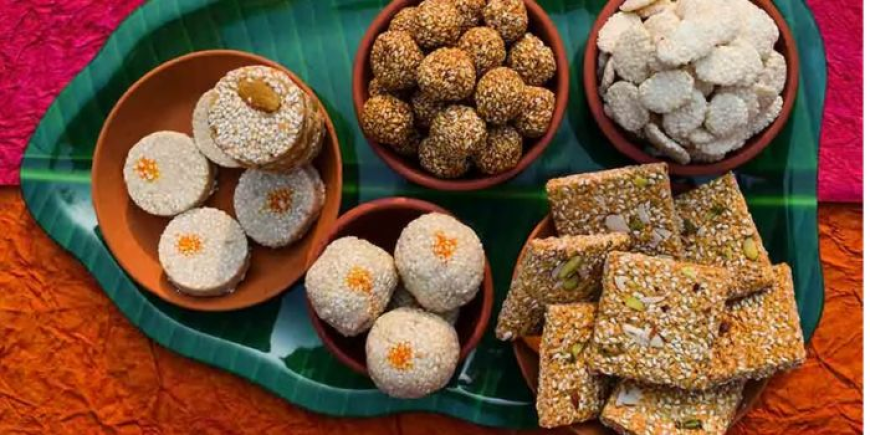
One of the most loved traditions of the festival is Makar Sankranti til gud. Especially popular in Maharashtra and Gujarat, people exchange sweets made from sesame seeds (til) and jaggery (gud) while saying, “Til gud ghya, god god bola,” meaning “Eat sweets and speak sweetly.”
Til and gud are not just delicious but also highly nutritious. Sesame seeds provide warmth to the body during winter, while jaggery boosts immunity. This tradition beautifully combines health, taste, and emotional bonding.
Makar Sankranti Patangbaji: The Sky Full of Colors
Another exciting aspect of the festival is Makar Sankranti patangbaji (kite flying). In states like Gujarat, Rajasthan, and parts of Uttar Pradesh, the sky becomes a canvas of colorful kites. People gather on rooftops, participate in kite-flying competitions, and enjoy music, food, and laughter.
The International Kite Festival in Ahmedabad attracts tourists from around the world, showcasing how Makar sakranti has become not only a cultural but also a global celebration.
State-Wise Celebrations of Makar Sakranti in India
Gujarat: Uttarayan – The Kite Festival
In Gujarat, Makar sakranti is known as Uttarayan. People celebrate with massive enthusiasm by flying kites throughout the day. Special dishes like undhiyu, jalebi, and chikki made of til and gud are prepared. Rooftops turn into celebration zones filled with joy and togetherness.
Maharashtra: Tilgul and Cultural Gatherings
Maharashtrians celebrate by exchanging Makar Sankranti til gud sweets called tilgul. Women organize haldi-kumkum ceremonies, wear black sarees with colorful jewelry, and share blessings. The focus is on harmony, kindness, and strengthening relationships.
Punjab: Lohri and Maghi
In Punjab, the festival is celebrated as Lohri, especially by farmers and newly married couples. Bonfires are lit, and people dance to the beats of dhol. The next day, Maghi is observed, where devotees take holy dips in rivers, emphasizing the Makar Sankranti ka mahatva in spiritual life.
Tamil Nadu: Pongal – A Four-Day Harvest Festival
In Tamil Nadu, Makar sakranti is celebrated as Pongal, a four-day-long harvest festival. People prepare a sweet dish called Pongal using rice, jaggery, and milk. Homes are decorated with kolam designs, and cattle are worshipped, highlighting gratitude toward nature.
Uttar Pradesh and Bihar: Khichdi and Holy Baths
In these states, people take holy dips in rivers and donate food and clothes. Khichdi (a dish made of rice and lentils) is prepared and offered during Makar Sankranti puja vidhi. The festival holds strong religious importance here.
West Bengal: Poush Sankranti
In West Bengal, it is known as Poush Sankranti. People prepare traditional sweets like pithe and payesh. Fairs are organized, and the Ganga Sagar Mela becomes a major attraction for pilgrims.
Karnataka and Andhra Pradesh: Suggi and Sankranti
In Karnataka, the festival is called Suggi and marks the harvest season. In Andhra Pradesh and Telangana, people celebrate for four days with colorful rangolis, cultural performances, and delicious festive food.
Unity in Diversity: The True Spirit of Makar Sakranti
What makes Makar sakranti truly special is how it unites people across different regions, languages, and traditions. Whether it’s through Makar Sankranti patangbaji in Gujarat, sharing til gud in Maharashtra, performing sacred rituals through Makar Sankranti puja vidhi, or understanding the deeper Makar Sankranti ka mahatva, the festival carries a universal message of positivity and gratitude.
Conclusion
Makar sakranti is more than just a festival; it is a celebration of life, nature, and togetherness. Now that you understand Makar Sankranti kya hai, its traditions, rituals, and regional diversity, you can truly appreciate its cultural richness. From colorful kites in the sky to the sweetness of til gud and the spiritual depth of prayers, every aspect of this festival reflects joy and harmony.
As India continues to evolve, the traditions of Makar sakranti remain timeless, reminding us to welcome light, spread kindness, and celebrate unity in diversity.