How Chronic Stress Can Disrupt Swallowing and Digestive Reflexes
 robertharbour
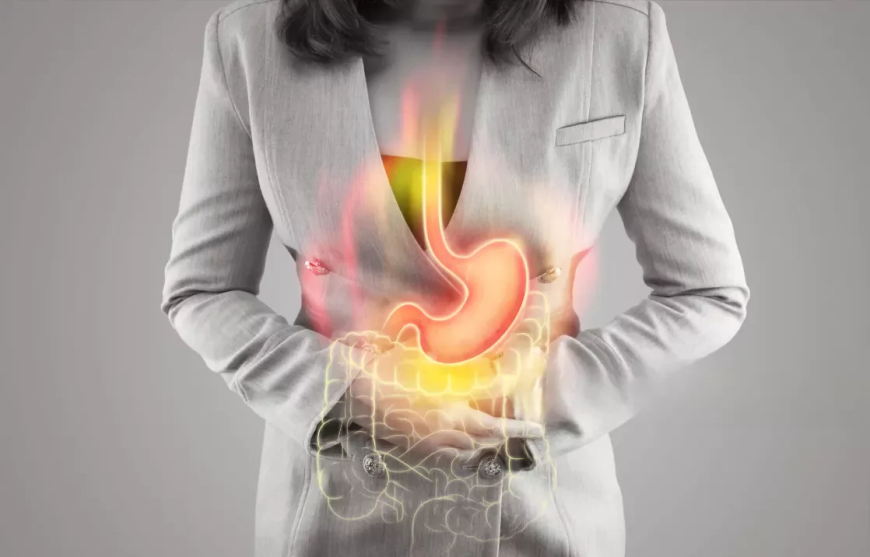
Chronic stress affects far more than mood or sleep. I see many patients who feel surprised when stress begins to interfere with basic bodily functions such as swallowing and digestion. If you live with persistent stress, you may notice throat tightness, difficulty swallowing food or liquids, chest discomfort after meals, bloating, or unpredictable bowel habits. These symptoms can feel frightening, especially when they persist or worsen over time.
In this article, I explain how chronic stress disrupts swallowing and digestive reflexes, why muscle tension plays a central role, and how stress can worsen conditions such as achalasia. I also share practical steps you can use to calm your nervous system and support digestive function in daily life. I write directly for patients, caregivers, and the general public, using clear medical explanations without unnecessary jargon.
The Link Between Stress and the Nervous System
Stress triggers a survival response in the body. When you feel threatened, pressured, or overwhelmed, your nervous system shifts into a protective mode. This response helps in short bursts, but long-term activation causes harm.
Your autonomic nervous system controls involuntary actions such as swallowing, oesophageal movement, stomach emptying, and bowel contractions. It has two main branches:
- The sympathetic nervous system, which prepares the body for action.
- The parasympathetic nervous system, which supports rest, digestion, and repair.
Chronic stress keeps the sympathetic system switched on. As a result, digestive reflexes lose coordination. Swallowing muscles tense, oesophageal movement weakens, and digestion slows or becomes erratic.
You may feel as if food sticks in your throat, liquids go down the wrong way, or your chest tightens during meals. These sensations feel physical because they are physical, even though stress acts as the trigger.
How Swallowing Normally Works
Swallowing looks simple, but it involves precise coordination between muscles and nerves. Each swallow follows a sequence:
- Muscles in the mouth push food backwards.
- The throat muscles contract in a timed pattern.
- The upper oesophageal sphincter relaxes.
- The oesophagus moves food downwards using rhythmic contractions.
- The lower oesophageal sphincter opens to allow food into the stomach.
This process relies on reflexes controlled by the brainstem and the vagus nerve. You do not need to think about it. When stress interferes with nerve signalling or muscle relaxation, swallowing loses its smooth flow.
Chronic Stress and Muscle Tension
Stress tightens muscles throughout the body, including those involved in swallowing and digestion. Many people clench their jaw, raise their shoulders, or hold tension in the neck without realising it. Over time, this tension spreads deeper.
In the throat and oesophagus, muscle tension can:
- Reduce coordination between swallowing muscles
- Delay relaxation of the oesophageal sphincters
- Increase sensitivity to normal swallowing sensations
You may start to notice every swallow, which increases anxiety. Anxiety then increases muscle tension, creating a self-reinforcing cycle.
Stress and the Vagus Nerve
The vagus nerve plays a central role in swallowing and digestion. It carries signals between the brain and digestive organs, helping muscles contract and relax at the right time.
Chronic stress reduces vagal tone, which means the nerve sends weaker or poorly timed signals. This change can lead to:
- Slower oesophageal movement
- Poor sphincter relaxation
- Increased reflux or chest discomfort
- Nausea or early fullness
Reduced vagal tone also lowers the body’s ability to calm itself after stress, which keeps symptoms going even when the stressful situation passes.
How Stress Can Worsen Achalasia Symptoms
Achalasia is a swallowing disorder where the lower oesophageal sphincter fails to relax properly, and the oesophagus struggles to move food into the stomach. While stress does not cause achalasia, it can significantly worsen symptoms.
Stress increases muscle tension and alters nerve signalling, which can intensify:
- Difficulty swallowing solids and liquids
- Chest pain or pressure
- Regurgitation of food
- Night-time coughing or choking
Patients often report flare-ups during emotionally demanding periods such as work pressure, family illness, or prolonged anxiety. Stress also heightens symptom awareness, making mild swallowing problems feel severe.
Some patients explore a Natural Remedy for Achalasia or Home Remedies for Achalasia alongside medical care to support relaxation and digestive comfort. These approaches do not replace medical treatment, but they may help manage stress-related symptom amplification when used responsibly.
Stress, Sensitivity, and Symptom Awareness
Chronic stress changes how the brain processes bodily sensations. This process, called central sensitisation, lowers the threshold for discomfort. Sensations that once felt normal now feel unpleasant or alarming.
In swallowing and digestion, this can mean:
- Increased awareness of food movement
- Heightened discomfort after meals
- A feeling of obstruction without a physical blockage
This sensitivity does not mean symptoms are imagined. Stress alters real nerve processing, making sensations stronger and more persistent.
The Impact of Stress on Digestive Timing
Stress disrupts the timing of digestive reflexes. You may notice:
- Food sitting heavily in the chest or stomach
- Bloating soon after eating
- Irregular bowel movements
When the body remains in a stress state, digestion slows or becomes uncoordinated. Swallowing may start too early or too late, and sphincters may open or close at the wrong moment. These changes increase discomfort and raise the risk of reflux or aspiration.
Emotional Stress and Eating Behaviour
Stress also changes how and when you eat. Many people under stress:
- Eat quickly without chewing properly
- Skip meals, then eat large portions
- Choose foods that irritate the oesophagus
These habits place extra strain on swallowing and digestion. Rapid eating reduces the brain’s ability to coordinate swallowing, while large meals increase pressure on the oesophagus.
Recognising Stress-Related Swallowing Problems
You may suspect stress plays a role if symptoms:
- Worsen during emotionally demanding periods
- Improve when you feel calm or distracted
- Vary from day to day without a clear physical cause
However, you should always seek medical assessment for persistent swallowing difficulties. Stress may contribute, but doctors must rule out structural or neurological conditions.
Practical Ways to Calm Swallowing and Digestive Reflexes
Managing stress can reduce symptom severity and improve quality of life. I encourage patients to focus on consistent, gentle strategies rather than quick fixes.
1. Slow Down During Meals
Eat without rushing. Sit upright, chew thoroughly, and place cutlery down between bites. Slow eating gives your nervous system time to coordinate swallowing reflexes.
2. Practise Diaphragmatic Breathing
Deep breathing activates the parasympathetic nervous system. Try this before meals:
- Place one hand on your abdomen
- Inhale slowly through your nose
- Allow your belly to rise
- Exhale gently through your mouth
Repeat for two to three minutes.
3. Reduce Neck and Jaw Tension
Stretch your neck gently and unclench your jaw throughout the day. Small movements release tension that affects swallowing muscles.
4. Establish Regular Eating Patterns
Regular meals help stabilise digestive rhythms. Avoid long gaps followed by heavy meals, which strain oesophageal function.
5. Support the Nervous System Holistically
Some patients explore nutritional support such as magnesium or herbal calming agents. Others consider pure health dietary supplements as part of a broader wellbeing plan. Always discuss supplements with a healthcare professional, especially if you take prescribed medication.
Psychological Support and Stress Regulation
Long-term stress often requires emotional support, not just physical strategies. Talking therapies, mindfulness practices, or stress-management programmes can reduce symptom intensity by calming the nervous system.
Cognitive behavioural approaches help many patients reframe fear around swallowing sensations. Reduced fear leads to reduced muscle tension, which improves swallowing coordination.
The Role of Sleep in Digestive Reflexes
Poor sleep increases stress hormones and worsens digestive symptoms. Aim for consistent sleep routines, reduced screen use before bed, and a calming evening routine.
Better sleep supports nerve repair and improves vagal tone, which benefits swallowing and digestion.
When to Seek Medical Advice
Always seek medical input if you experience:
- Progressive difficulty swallowing
- Unintentional weight loss
- Persistent chest pain
- Frequent choking or coughing during meals
Doctors may recommend tests such as endoscopy, barium swallow, or manometry to assess oesophageal function. Stress management complements medical care but never replaces proper diagnosis.
Living Well with Stress-Sensitive Swallowing
Living with stress-related swallowing or digestive symptoms can feel isolating. Many people worry that symptoms will worsen or become permanent. In most cases, calming the nervous system improves reflex coordination over time.
Consistency matters more than perfection. Small daily habits that reduce stress can lead to noticeable improvements in comfort and confidence around eating.
Final Thoughts
Chronic stress disrupts swallowing and digestive reflexes through muscle tension, altered nerve signalling, and increased sensitivity. These changes feel physical because they involve real physiological pathways. Stress can also worsen achalasia symptoms by tightening muscles and reducing oesophageal coordination.
By recognising the stress–digestive connection and supporting your nervous system with calm, steady habits, you can reduce symptom intensity and regain confidence in eating. Medical care, stress regulation, and compassionate self-management work best together.
If you live with ongoing swallowing difficulties, speak with a healthcare professional. You deserve clear answers, supportive care, and practical strategies that respect both body and mind.