
How Breaking Down a Script Improves Your Writing Skills
Discover how breaking down scripts sharpens storytelling, strengthens characters, and hones dialogue to boost your writing skills and craft compelling stories.
 pettenick
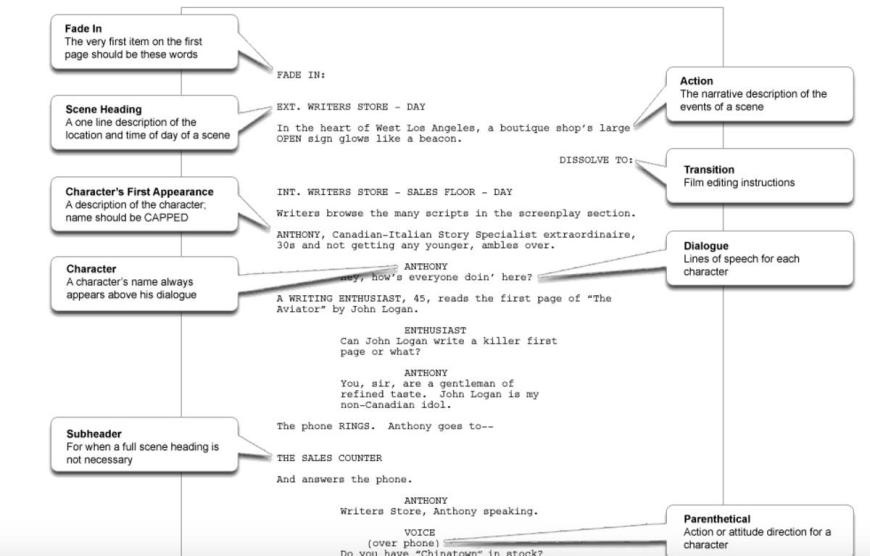
Writing a compelling screenplay is both an art and a craft. Many writers struggle with pacing, character development, or dialogue simply because they haven’t fully understood the mechanics behind successful scripts. One of the most effective ways to improve your writing is to carefully study and break down existing scripts. By observing how professional screenwriters structure their stories, develop characters, and build tension, you can gain practical lessons that elevate your own work.
Studying scripts goes beyond reading for enjoyment it’s a deliberate, analytical process. When you examine the choices writers make, you begin to see patterns, techniques, and strategies that you can incorporate into your own storytelling. This approach transforms passive reading into active learning, providing tools to strengthen every aspect of your writing.
Understanding Story Structure through Screenplay Analysis
Every great story relies on a solid structure. When you break down a script, you can see how the story is organized, how the plot progresses, and how the writers build tension toward key turning points. Screenplay analysis allows you to identify the three-act structure, pinpoint major plot beats, and understand how acts transition smoothly from one to another.
By studying these elements, you gain a blueprint for constructing your own stories. You learn how to introduce stakes, raise conflicts, and maintain momentum throughout your narrative. Understanding story structure through this method also helps you spot pacing issues in your own writing, allowing you to revise scripts before they reach readers or industry professionals.
Analyzing Character Development
Characters are the heart of any story. When you dissect a script, you can see how characters are introduced, how they grow, and how their conflicts evolve. Observing dynamic versus static characters teaches you what makes a character engaging and memorable.
By focusing on motivations, desires, and obstacles, you can understand how writers create arcs that feel natural and compelling. Breaking down character interactions also shows how relationships develop over time, revealing subtle emotional beats that you might otherwise overlook. Applying these lessons in your own writing allows you to craft characters with depth and consistency, ensuring they resonate with audiences.
Learning from Dialogue and Subtext
Dialogue is a window into character and story. By studying scripts, you can see how writers use conversation to reveal personality, advance the plot, and provide subtext. This helps you understand how to make dialogue feel authentic while carrying emotional weight.
Subtext is another critical element. What characters say on the surface often hides what they truly feel or intend. Breaking down these layers in scripts teaches you how to write dialogue that communicates multiple levels of meaning. Applying these insights to your own writing results in conversations that feel alive and compelling, moving your story forward naturally without unnecessary exposition.
Examining Pacing and Scene Flow
Pacing can make or break a story. By analyzing scripts, you can see how scenes are arranged to maintain tension and keep the audience engaged. Some scripts move quickly, creating a sense of urgency, while others slow down to allow character development or emotional reflection.
Understanding how scenes interact and how beats are distributed within acts is crucial. Midway through a script, pacing often becomes a challenge as writers risk slowing the story or losing focus. By carefully observing successful scripts and applying screenplay analysis techniques, you can learn how to balance action, dialogue, and exposition, creating a rhythm that keeps readers and viewers invested from start to finish.
Spotting Themes, Motifs, and Symbolism
Great screenplays often operate on multiple levels, using recurring themes, visual motifs, and symbolism to reinforce the story. When you break down a script, you can identify these elements and see how they enhance the narrative without drawing overt attention.
Recognizing themes helps you understand how a story resonates emotionally and intellectually. You can learn how to weave motifs throughout your script, adding layers of meaning and cohesion. Applying these techniques in your own writing ensures that your stories are richer and more memorable, connecting with audiences on multiple levels.
The Benefits of Professional Script Feedback
In addition to self-study, receiving external feedback further enhances your learning. Professional script evaluations provide insights you might miss on your own, highlighting structural issues, pacing problems, or inconsistencies in character development.
Combining personal analysis with expert critique creates a powerful feedback loop. You develop the ability to evaluate your own writing critically, identify areas for improvement, and apply lessons learned to future projects. This ongoing process of studying, analyzing, and refining leads to steady growth as a writer and helps you produce polished, industry-ready scripts.
Conclusion
Breaking down scripts is an essential practice for any screenwriter aiming to improve their craft. Through careful observation and screenplay analysis, you can learn how to structure stories, develop compelling characters, write authentic dialogue, and maintain effective pacing. Beyond individual scripts, this process enhances your overall writing skills, giving you the tools to craft stories that resonate with readers, audiences, and industry professionals.
By making script study a regular habit, you cultivate a deeper understanding of storytelling, sharpen your instincts, and prepare yourself to write scripts that stand out. The insights gained from analyzing successful works empower you to grow as a writer, turning observation into practical skill and ultimately elevating every story you tell.