High-Performance A-Frame BTEX Systems for Oil and Gas Operations
 jatcoinc
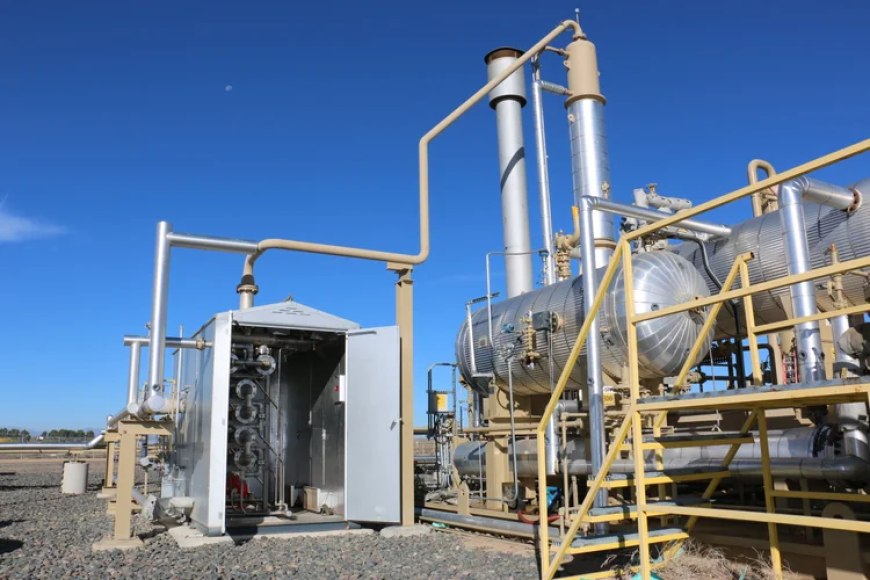
Let's be real, when you're setting up a new tank battery, nobody hands you a manual that actually explains what you need to know about vapor management. You get a spec sheet, maybe a sales call, and then you're figuring the rest out once things are already installed. That's backwards, honestly. A-Frame BTEX systems and jatco environmental tanks solve a lot of the problems operators run into, but only if you understand what you're actually buying and why it matters before the equipment shows up on site.
Nobody Tells You How Much Access Points Matter
Here's the first thing that catches people off guard. You'd think a tank is a tank, right, doesn't matter much how it's shaped as long as it holds fluid. Wrong. Truth is, the layout of your vapor recovery lines, your thief hatches, and your pressure relief valves determines how much time your crew spends doing maintenance versus how much time they spend fighting the equipment just to get a look at it. A-Frame BTEX systems were designed specifically to fix this, the angled structure gives technicians real access instead of forcing them to climb around an awkward flat roof every time something needs checking.
I've seen sites where a routine inspection turns into a forty-five minute ordeal because nobody thought about access when the tank was installed. That's not a rare story either, it happens more than people admit. Getting this right from the start, before the concrete's even poured, saves you years of frustration and honestly makes your safety numbers look better too, since crews aren't taking unnecessary risks just to reach a valve that should've been positioned better.
Nobody Tells You The Tank And The Vapor System Are One Job
This one surprises a lot of operators. You'd think picking a tank and picking a BTEX capture system are two separate decisions, maybe even two separate vendors. But jatco environmental tanks are built with the understanding that the tank and the vapor recovery equipment need to function as a single unit, not two things bolted together after the fact. When they're designed separately, you end up with mismatched fittings, weird pressure behavior, and leaks in spots nobody expected.
The short answer is, buy them together, or at least buy them from a manufacturer who thinks about them together. It's a simpler way to approach tank management, and it avoids the retrofit headache that comes from trying to force a generic tank to work with a BTEX system that wasn't designed for it. Sites that get this right from day one spend a lot less time and money fixing problems down the road, that part's just math.

Compliance Keeps Moving The Goalposts
Here's something that catches even experienced operators off guard, what passed inspection five years ago might not pass today. Regulations around volatile organic compounds keep tightening, state by state, and the sites that assume their old setup is still fine are the ones getting flagged during audits. It's not that anyone's trying to trip you up, it's just that the standards for BTEX capture and containment have genuinely gotten stricter as the science around emissions has improved.
A-Frame BTEX systems paired with properly built environmental tanks give you a better shot at staying compliant without constant scrambling. It's not a guarantee you'll never deal with a regulatory question again, nothing is, but it puts you in a much stronger position than running equipment that was designed for standards that don't apply anymore. Staying ahead of this stuff is cheaper than catching up after the fact, every single time.
Nobody Tells You Winter Changes Everything
This one's specific but it matters a lot depending on where you're operating. Cold weather does things to tanks and vapor systems that people don't think about until it's happening. Seals that were fine in July can crack in January. Pressure behavior changes when temperatures swing hard. If your tank and BTEX system weren't built to handle those conditions, you're going to find out the hard way, usually at the worst possible time, like during a freeze when getting a repair crew out is already a challenge.
Jatco environmental tanks are built with these real-world conditions in mind, not just fair-weather performance numbers. That matters if you're operating anywhere that sees real temperature swings throughout the year. It's the kind of thing that doesn't show up on a spec sheet in an obvious way, but it shows up fast once winter hits and your equipment either handles it or doesn't.
The Cheapest Option Rarely Stays Cheap
Last thing, and honestly the one people hear the most but still ignore. Going with the lowest bid on tank equipment almost always costs more over time. Between compliance risks, maintenance headaches, and equipment that fails earlier than it should, the savings from a cheap setup evaporate fast, sometimes within the first couple years. I've watched this play out on more than one site, and it's a hard lesson every time.
A-Frame BTEX systems and jatco environmental tanks cost more upfront than the bargain options, that's just true. But when you factor in fewer repairs, fewer compliance headaches, and equipment that actually holds up over the life of the tank, the math works out in favor of doing it right the first time. That's not a sales pitch, that's just what happens when you compare total cost over five or ten years instead of just the invoice on day one. Visit Jatco Inc.

Frequently Asked Questions
Why do A-Frame BTEX systems improve maintenance access?
The angled design positions valves, hatches, and vapor recovery lines where technicians can actually reach them, reducing the time and risk involved in routine inspections.
Should tanks and BTEX systems be purchased from the same manufacturer?
It's generally recommended, since jatco environmental tanks are designed to work as one unit with vapor recovery equipment, avoiding mismatched fittings and leak-prone retrofits.
How does cold weather affect BTEX tank systems?
Seals and pressure behavior can change significantly in freezing conditions, so tanks and vapor systems need to be built to handle real seasonal temperature swings.
Is it worth paying more upfront for quality tank equipment?
Yes, in most cases the higher upfront cost is offset by fewer repairs, less downtime, and reduced compliance risk over the equipment's full lifespan.