Green Polymers: The Future of Sustainable Materials
As the focus on sustainability increases across industries, green polymers are emerging as a promising solution for various material needs.
 coherentMI@13
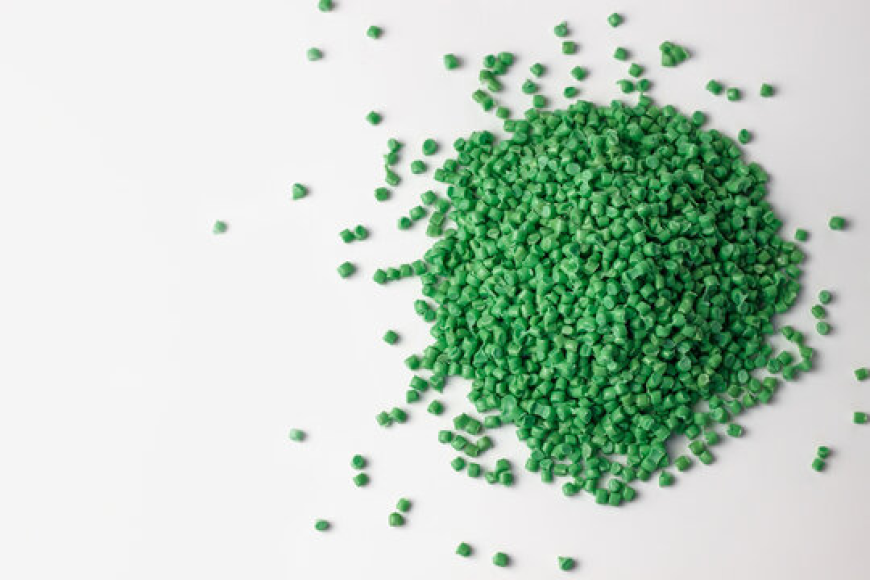
Polymers play a crucial role in our daily lives from packaging to clothing to electronics. However, most conventional polymers are derived from non-renewable petroleum resources and their production and disposal causes significant environmental damage. Green polymers provide an alternative that has lower impact on the planet. This article discusses the potential of green polymers and various development in this field.
What are Green Polymers?
Green polymers, also known as biopolymers, are polymers that are naturally occurring or can be derived from renewable plant and microbial sources. They can be compostable or biodegradable which makes them environment-friendly. Some common types of green polymers are polylactic acid (PLA), polyhydroxyalkanoates (PHAs), polyhydroxybutyrate (PHB), polyester amides (PEAs) and poly(butylene succinate) (PBS). These polymers are either made from biomass or are biodegradable. Their production involves less greenhouse gas emissions and non-renewable energy usage compared to traditional petroleum-based polymers.
Applications of Green Polymers
Green polymers have numerous applications across industries:
- Packaging: Bioplastics like PLA, PBS and cellulose are increasingly used for food packaging, shopping bags, disposable tableware etc. Their compostable nature makes them suitable for packaging applications where disposal is a concern.
- Textiles: PHAs and cellulosic fibers are utilized in fabrics, clothing and other textiles. Regenerated cellulose fibers like lyocell are eco-friendly alternatives to conventional polyester.
- Automotive: Interior panels, trim components and other non-structural automotive parts can utilize green polymers to lower the environmental impact. Natural fiber reinforced bioplastics show promise in this area.
- 3D Printing: PLA is a commonly used filament for 3D printing. Its renewable sourcing and biodegradability enhance the sustainability of the additive manufacturing process.
- Biomedical: Scaffolds, sutures and implants fabricated using PHAs and other biopolymers can degrade safely inside the body without removal.
‣ Green Polymers: The Future of Sustainable Materials: https://www.coherentmi.com/blog/green-polymers-the-future-of-sustainable-materials-51