Furniture Required for Office: A Complete Guide to Creating a Productive Workspace
 nickyberg
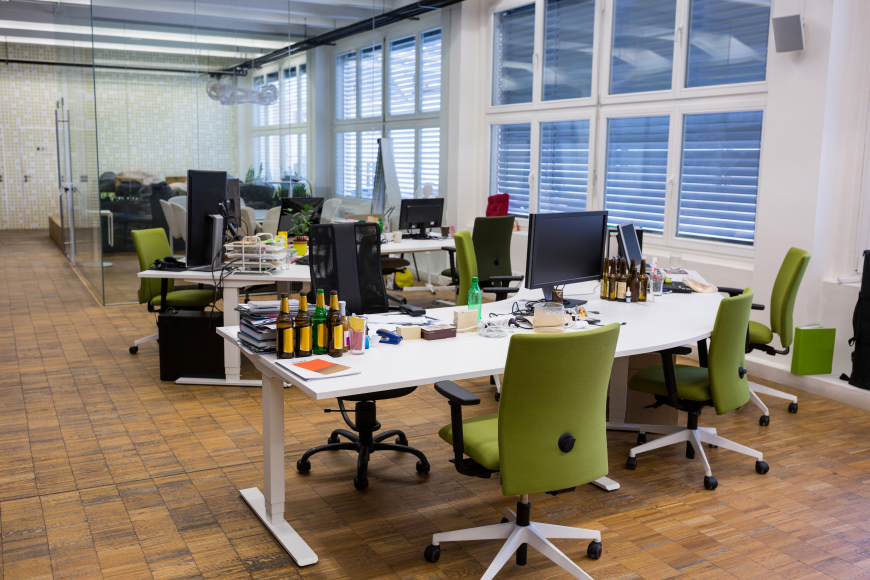
In today’s fast-paced business environment, having the right office furniture is no longer just about aesthetics—it directly impacts productivity, employee satisfaction, and the overall efficiency of your workspace. From ergonomic chairs to modular desks, the furniture you choose sets the tone for your office environment. But what furniture is essential for a modern office, and how do you select pieces that combine comfort, functionality, and style? Let’s dive in.
Why Office Furniture Matters
Office furniture is more than a necessity—it’s an investment. Here’s why it matters:
- Employee Productivity: Comfortable, ergonomic furniture helps reduce fatigue and prevents physical strain, allowing employees to focus on tasks without discomfort.
- Professional Image: The right furniture communicates professionalism to clients and partners, reflecting your company’s brand and culture.
- Space Optimization: Well-planned office furniture ensures efficient use of space, promoting a clutter-free and organized environment.
- Health and Wellness: Ergonomic chairs and adjustable desks support posture and overall health, reducing long-term issues like back pain.
Understanding these benefits helps in making informed choices when selecting furniture for your office.
Essential Furniture Pieces for Any Office
1. Office Chairs
The office chair is arguably the most crucial piece of furniture in any workspace. Ergonomic chairs provide proper lumbar support, adjustable heights, and breathable materials. Some features to consider:
- Adjustable Lumbar Support: Ensures proper spine alignment and reduces back strain.
- Swivel and Mobility: Allows freedom of movement and easy access to different areas.
- Material Quality: Mesh chairs offer breathability, while leather or fabric options provide comfort and style.
2. Desks and Workstations
Desks are the centerpiece of any office. Depending on the office type, you can choose:
- Executive Desks: Ideal for managers and leaders, offering a large work surface and storage options.
- Modular Workstations: Perfect for open-plan offices, allowing customization according to team size and workflow.
- Standing Desks: Promote health by encouraging employees to alternate between sitting and standing.
When choosing desks, consider cable management solutions, drawer space, and surface durability.
3. Conference and Meeting Tables
Conference tables are central to collaboration in the office. They come in various shapes—rectangular, oval, or round—and materials such as wood, glass, or composite. Key points to consider:
- Seating Capacity: Ensure it accommodates your typical meeting size comfortably.
- Cable Management: Built-in ports or channels for devices and projectors keep the table organized.
- Durability: The material should withstand frequent use and occasional spills.
4. Storage Solutions
A cluttered office hinders productivity. Adequate storage furniture helps organize documents, office supplies, and personal items. Options include:
- Filing Cabinets: Traditional or mobile cabinets for organized document storage.
- Shelving Units: Ideal for open office spaces, keeping frequently used items accessible.
- Storage Lockers: For personal employee storage in shared office environments.
5. Reception and Waiting Area Furniture
The reception area is the first impression of your office. Furniture here should be comfortable, welcoming, and reflective of your brand:
- Reception Desks: Functional design for easy check-ins and administrative work.
- Waiting Chairs and Sofas: Comfortable seating for visitors and clients.
- Coffee Tables and Side Tables: Add functionality and style for a complete look.
6. Collaborative Furniture
Modern offices emphasize collaboration. Furniture supporting teamwork can include:
- Collaboration Tables: Designed for brainstorming sessions and group work.
- Mobile Whiteboards: Enhance creativity and flexibility in shared spaces.
- Modular Seating: Allows teams to rearrange seating based on project needs.
7. Accessories and Ergonomic Enhancements
Small additions can dramatically improve comfort and functionality:
- Footrests and Ergonomic Mats: Promote better posture and reduce fatigue.
- Monitor Stands: Help maintain proper eye level and reduce neck strain.
- Task Lighting: Adjustable lamps enhance focus and reduce eye strain.
Choosing the Right Office Furniture
Selecting the perfect office furniture requires balancing aesthetics, functionality, and ergonomics. Here’s a step-by-step guide:
- Assess Your Needs: Understand the number of employees, type of work, and office layout.
- Prioritize Ergonomics: Focus on furniture that promotes health and comfort.
- Consider Space: Ensure furniture fits the space without making it crowded.
- Choose Quality Materials: Durable materials like solid wood, high-grade metal, and quality upholstery extend furniture lifespan.
- Design for Flexibility: Modular furniture allows adaptation as the team or workspace grows.
- Match Office Aesthetics: Align furniture style with your brand identity and office theme.
Office Furniture Trends in 2025
Office furniture trends are evolving with technology and changing work habits. Some current trends include:
- Hybrid Work Adaptations: Furniture designed for both in-office and remote collaboration.
- Eco-Friendly Materials: Sustainable furniture using recycled or renewable resources.
- Flexible Layouts: Movable partitions, modular desks, and multipurpose furniture.
- Smart Furniture: Integrated tech features like charging stations, wireless connectivity, and adjustable settings.
- Minimalist Designs: Sleek, clean lines with neutral colors to promote focus and reduce clutter.
Maintenance Tips for Office Furniture
Proper maintenance ensures longevity and preserves aesthetics. Consider these tips:
- Regular Cleaning: Dust and wipe surfaces frequently to prevent dirt accumulation.
- Check Moving Parts: Lubricate chair wheels and adjustable desks regularly.
- Repair Promptly: Address minor damage immediately to prevent further deterioration.
- Protect Surfaces: Use coasters, mats, or pads to prevent scratches and stains.
Budgeting for Office Furniture
Office furniture can be a significant investment, but planning your budget wisely ensures cost-effectiveness:
- Prioritize Essentials: Focus on ergonomic chairs and desks first.
- Invest in Quality: High-quality furniture reduces replacement costs over time.
- Mix and Match: Balance premium items with cost-effective alternatives.
- Plan for Growth: Consider future expansions when buying modular or flexible furniture.
Conclusion
Choosing the right office furniture is crucial for creating a productive, comfortable, and stylish workspace. From ergonomic chairs to modular desks, storage solutions to collaborative setups, every piece plays a role in enhancing employee performance and reflecting your professional image. By focusing on ergonomics, quality, and design, you can create an office that supports both productivity and well-being.
Whether you are setting up a new office or redesigning an existing space, investing in thoughtfully selected furniture will pay dividends in efficiency, employee satisfaction, and long-term functionality. Start planning today and create an office that’s not just functional—but inspiring.