Educational Opportunities for Children with Cerebral Palsy: NDIS Funding Options
Educational opportunities are essential for the development and well-being of children with cerebral palsy.
 phomecareaus
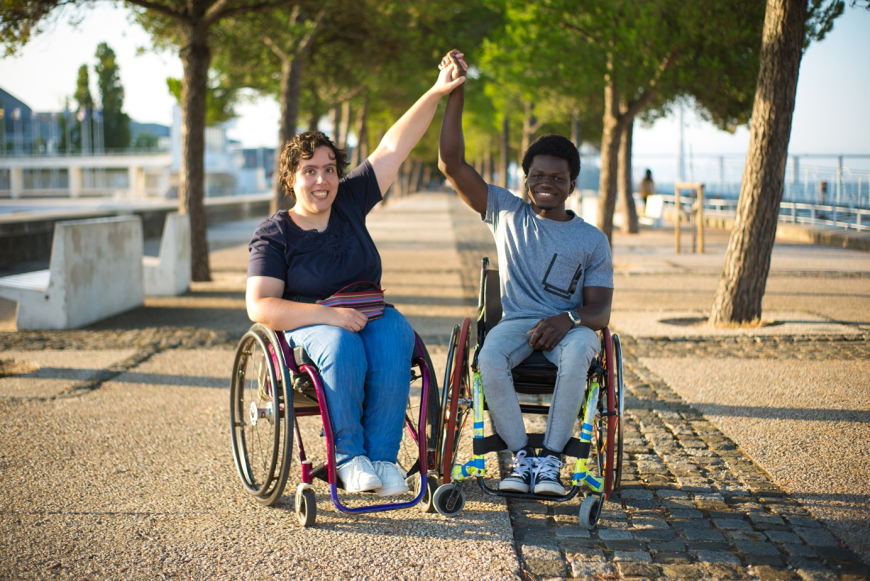
At P Homecare, we understand that education is a fundamental aspect of a child's development, and for children with cerebral palsy, accessing the right educational opportunities is crucial. The National Disability Insurance Scheme (NDIS) provides funding options to support the educational needs of children with cerebral palsy. In this blog, we explore the various educational opportunities available and how NDIS funding can help make these opportunities accessible.
Understanding Cerebral Palsy
Cerebral palsy is a group of disorders that affect a person's ability to move and maintain balance and posture. It is caused by damage to the developing brain, often before birth. The condition can vary widely in severity, with some children experiencing mild symptoms and others facing more significant challenges. Despite these challenges, many children with cerebral palsy thrive in educational settings with the right support.
The Importance of Education for Children with Cerebral Palsy
Education plays a vital role in the development of children with cerebral palsy. It not only provides them with academic knowledge but also helps them develop social skills, build confidence, and achieve their full potential. Access to appropriate educational opportunities can significantly enhance their quality of life and prepare them for adulthood.
NDIS Funding for Educational Support
The National Disability Insurance Scheme (NDIS) recognizes the importance of education for children with cerebral palsy and provides funding options to support their educational needs. These funding options can cover a range of services and supports, tailored to the individual needs of each child.
Key NDIS Funding Options for Education
-
Individualized Education Plans (IEPs)
- Focus: Tailored educational plans that address the specific needs of the child.
- Supports: Access to specialized teachers, educational therapists, and support staff.
- Benefits: Ensures that the child receives the necessary support to succeed academically and socially.
-
Assistive Technology
- Focus: Providing technology to support learning and communication.
- Supports: Devices such as speech-generating devices, specialized software, and adaptive tools.
- Benefits: Enhances the child's ability to participate in classroom activities and communicate effectively.
-
Therapy Services
- Focus: Integrating therapy into the educational setting.
- Supports: Access to physiotherapy, occupational therapy, and speech therapy.
- Benefits: Helps the child develop the physical, cognitive, and communication skills needed for successful learning.
-
Transportation
- Focus: Ensuring safe and reliable transportation to and from school.
- Supports: Funding for specialized transportation services.
- Benefits: Ensures that the child can attend school regularly and participate in extracurricular activities.
-
Support Coordination
- Focus: Coordinating educational and support services.
- Supports: Assistance in navigating the educational system and accessing appropriate services.
- Benefits: Ensures that the child receives a seamless and effective support system.
Personalized Educational Plans
One of the key strengths of the NDIS is its focus on personalized support. Each child's NDIS plan is tailored to their unique needs, goals, and circumstances. This means that children with cerebral palsy can access the specific educational supports they need to achieve their desired outcomes.
Developing a Personalized Educational Plan
Developing a personalized educational plan involves several steps:
-
Assessment: The child undergoes an assessment to determine their specific needs and goals.
-
Planning: A planner from the NDIS works with the child, their family, and educational professionals to develop a personalized plan. This plan outlines the educational supports and funding that will be provided.
-
Implementation: The plan is implemented, and the child begins accessing the educational supports they need.
-
Review: NDIS plans are reviewed regularly to ensure they remain relevant and effective. The child and their family can request changes to their plan as needed.
The Role of P Homecare
At P Homecare, we are committed to providing high-quality support services for children with cerebral palsy and their families. Our team of experienced professionals works closely with NDIS participants to develop personalized care plans that meet their unique needs. We offer a range of services, including in-home support, therapy, and respite care, all tailored to the specific requirements of each individual.
Our Services
-
In-Home Support: Our in-home support services help children with cerebral palsy with daily living activities, such as personal care, meal preparation, and household tasks.
-
Therapy Services: We provide access to specialized therapy services, including physiotherapy, occupational therapy, and speech therapy, to help improve mobility, coordination, and communication.
-
Respite Care: Our respite care services provide temporary relief for caregivers, allowing them to take a break and recharge.
-
Support Coordination: Our support coordination services help participants and their families navigate the NDIS system, access appropriate services, and develop personalized care plans.
Conclusion
Educational opportunities are essential for the development and well-being of children with cerebral palsy. At P Homecare, we understand the importance of personalized support and the positive impact of tailored interventions. Our goal is to empower children with cerebral palsy to lead fulfilling and independent lives.
If you or a loved one is living with cerebral palsy and would like to learn more about the support services available through the NDIS, please contact P Homecare. Our team is here to help you navigate the NDIS system and provide the support you need to thrive. Together, we can make a difference in the lives of those with cerebral palsy.