
Dharmendra Journey: The Making of Bollywood’s Eternal He-Man
 FillmeFeed
When we talk about the golden age of Indian cinema, one name that continues to shine with undimmed warmth is Dharmendra, the man whose charm, simplicity, and sheer screen presence made him one of Hindi cinema’s most cherished icons. The Dharmendra journey is more than just a filmography; it is a story of perseverance, humility, and an unwavering love for the craft of storytelling.
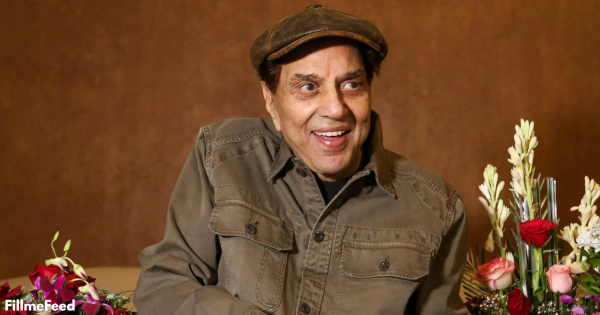
Born in 1935 in Sahnewal, Punjab, Dharmendra Singh Deol came from a modest family with no connections to the film world. Yet destiny had bigger plans. His passion for acting led him to participate in the “Filmfare New Talent” contest, a pivotal moment that opened the first door in what would become a legendary career. This early breakthrough is an important chapter in Dharmendra’s journey, marking his shift from a small-town dreamer to an aspiring actor in Mumbai.
Dharmendra made his debut in 1960 with Dil Bhi Tera Hum Bhi Tere. While the film didn’t instantly catapult him to superstardom, it established him as a sincere and promising performer. Throughout the 1960s, he continued to deliver memorable roles that showcased his versatility, whether as the sensitive romantic hero or the intense, brooding protagonist. Movies like Anpadh, Bandini, and Haqeeqat revealed his emotional depth and ability to command attention without exaggeration.
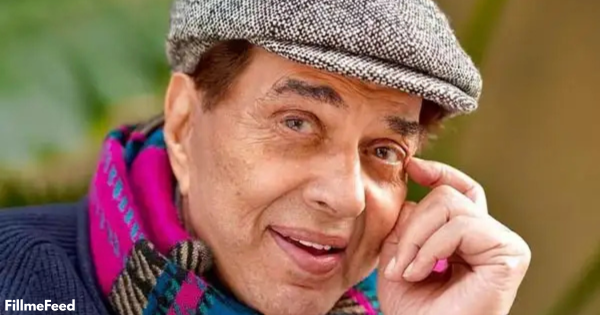
But it was the 1970s that truly defined him. This golden decade transformed Dharmendra into an undisputed superstar. Films such as Sholay, Yaadon Ki Baaraat, Dharam Veer, and Seeta Aur Geeta became cultural phenomena. In Sholay, his portrayal of the cheerful, brave, and irresistibly charming Veeru remains an iconic landmark in Indian cinema. Even today, younger audiences discovering the movie for the first time are drawn to his magnetic simplicity. This era in the Dharmendra journey cemented his reputation as Bollywood’s original “He-Man,” thanks to his rugged looks and effortless action sequences.
What sets Dharmendra apart from many of his contemporaries is that he was never restricted to a single genre. He could switch between action, romance, comedy, and drama with remarkable ease. His comic timing in films like Chupke Chupke and Sholay is still considered unmatched, proving that the man behind the tough exterior was also a master of light-hearted storytelling.
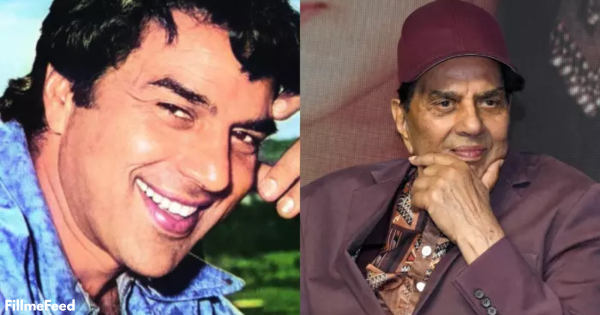
Beyond the silver screen, Dharmendra’s personal life also captivated millions. His grounded nature, humility, and love for his family earned him enormous affection. While he experienced ups and downs like any public figure, he handled fame with an uncommon grace. Fans often say that the most beautiful part of the Dharmendra journey is how unchanged he remained despite achieving extraordinary success.
In later years, Dharmendra continued to work in films, television, and even politics. His return to cinema through projects like Yamla Pagla Deewana and emotional appearances alongside his sons, Sunny and Bobby Deol, introduced him to a new generation. His legacy also evolved into something bigger; he became a bridge between vintage Bollywood and the modern era.
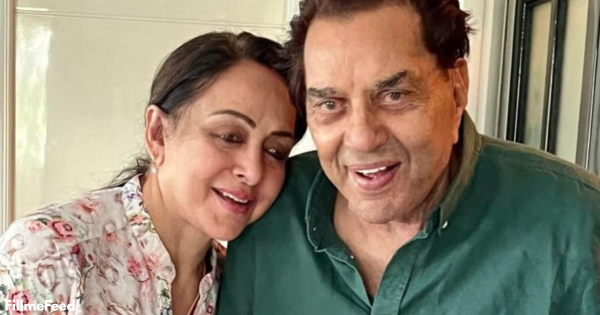
Today, Dharmendra is celebrated not just as an actor, but as an emotion. His journey inspires countless artists, and his timeless films continue to draw admiration from all age groups. For fans, revisiting the Dharmendra journey is revisiting a golden era when cinema was rooted in heart, innocence, and sincerity.
Dharmendra’s life reminds us that true stardom doesn’t come from glamour or trends it comes from authenticity. His story is proof that when passion and humility come together, they create legends. And in the grand story of Indian cinema, Dharmendra will forever remain one of its most beloved chapters.