Cure for Gastrointestinal Disease: Safe and Effective Solutions
 jimmyanderson
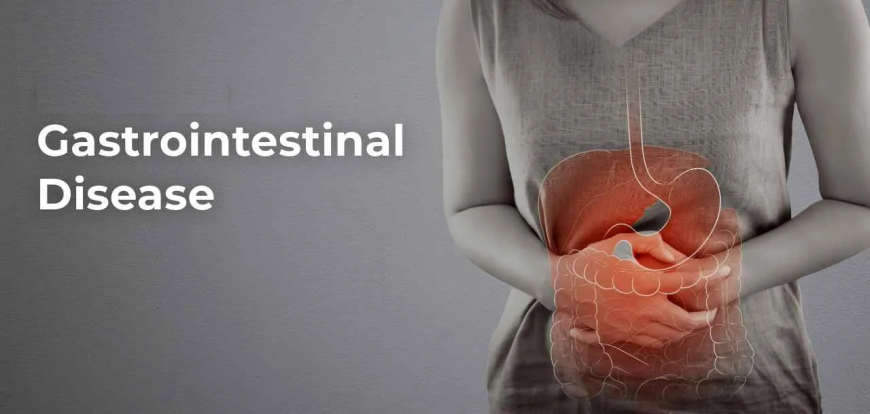
Gastrointestinal diseases affect millions of people worldwide, ranging from mild digestive discomfort to severe chronic conditions that significantly impact quality of life. These diseases involve the digestive tract, including the stomach, intestines, liver, pancreas, and esophagus. While there is no single universal “cure” for all gastrointestinal disorders, many effective treatments, lifestyle adjustments, and preventive strategies can help manage, alleviate, and in some cases completely resolve these conditions.
One of the most important aspects of addressing gastrointestinal disease understands its root cause. Common conditions include gastritis, irritable bowel syndrome (IBS), gastroesophageal reflux disease (GERD), peptic ulcers, and inflammatory bowel diseases such as Crohn’s disease and ulcerative colitis. Each of these has different causes, including infections, poor diet, stress, autoimmune reactions, and genetic predisposition. Identifying the underlying issue is the first step toward effective treatment.
Diet plays a crucial role in both the development and treatment of gastrointestinal diseases. Consuming a balanced diet rich in fiber, fruits, vegetables, and whole grains supports healthy digestion. Fiber, in particular, helps regulate bowel movements and promotes beneficial gut bacteria. On the other hand, processed foods, excessive fats, spicy foods, and caffeine can irritate the digestive system and worsen symptoms. For individuals with specific conditions, such as lactose intolerance or gluten sensitivity, eliminating trigger foods can significantly improve symptoms and overall well-being.
Hydration is another key factor. Drinking sufficient water aids digestion, prevents constipation, and helps maintain the mucosal lining of the intestines. Many people underestimate the impact of dehydration on digestive health, but even mild fluid deficiency can disrupt normal gastrointestinal function.
In addition to dietary changes, lifestyle modifications are essential. Regular physical activity stimulates digestion and reduces stress, which is a known contributor to many gastrointestinal disorders. Stress management techniques such as meditation, deep breathing, and yoga can be particularly beneficial for conditions like IBS, where the brain-gut connection plays a major role. Getting adequate sleep also supports the body’s ability to repair and maintain digestive health.
Medical treatments vary depending on the condition. For bacterial infections like Helicobacter pylori, antibiotics are often prescribed and can effectively cure the issue. Acid-related disorders such as GERD or ulcers may be treated with medications that reduce stomach acid production. Anti-inflammatory drugs and immune-modulating therapies are commonly used for chronic conditions like Crohn’s disease and ulcerative colitis. It is important for patients to follow medical advice and complete prescribed treatments to prevent complications.
Probiotics have gained popularity as a supportive therapy for gastrointestinal health. These beneficial bacteria help restore the natural balance of the gut microbiome, which can be disrupted by illness, poor diet, or antibiotic use. Probiotic-rich foods like yogurt, kefir, and fermented vegetables can be included in the diet, or supplements may be used under medical guidance.
In some cases, surgical intervention may be necessary, especially when complications such as severe inflammation, blockages, or tumors occur. While surgery is typically considered a last resort, it can be life-saving and significantly improve quality of life for patients with advanced disease.
Prevention is always better than cure. Maintaining good hygiene, such as regular handwashing and safe food preparation, reduces the risk of infections that can lead to gastrointestinal illness. Avoiding smoking and limiting alcohol intake also protect the digestive system from damage. Regular medical check-ups and early screening can help detect issues before they become severe.
It is also important to recognize when to seek medical attention. Persistent symptoms such as abdominal pain, unexplained weight loss, chronic diarrhea, blood in stool, or severe heartburn should not be ignored. Early diagnosis and treatment can prevent complications and improve outcomes.
In conclusion, while there is no single cure for all gastrointestinal diseases, a combination of proper diagnosis, healthy diet, lifestyle changes, medical treatment, and preventive care can effectively manage and even resolve many conditions. Taking a proactive approach to digestive health not only alleviates symptoms but also enhances overall well-being and quality of life.
For more information click here Cure for gastrointestinal disease.